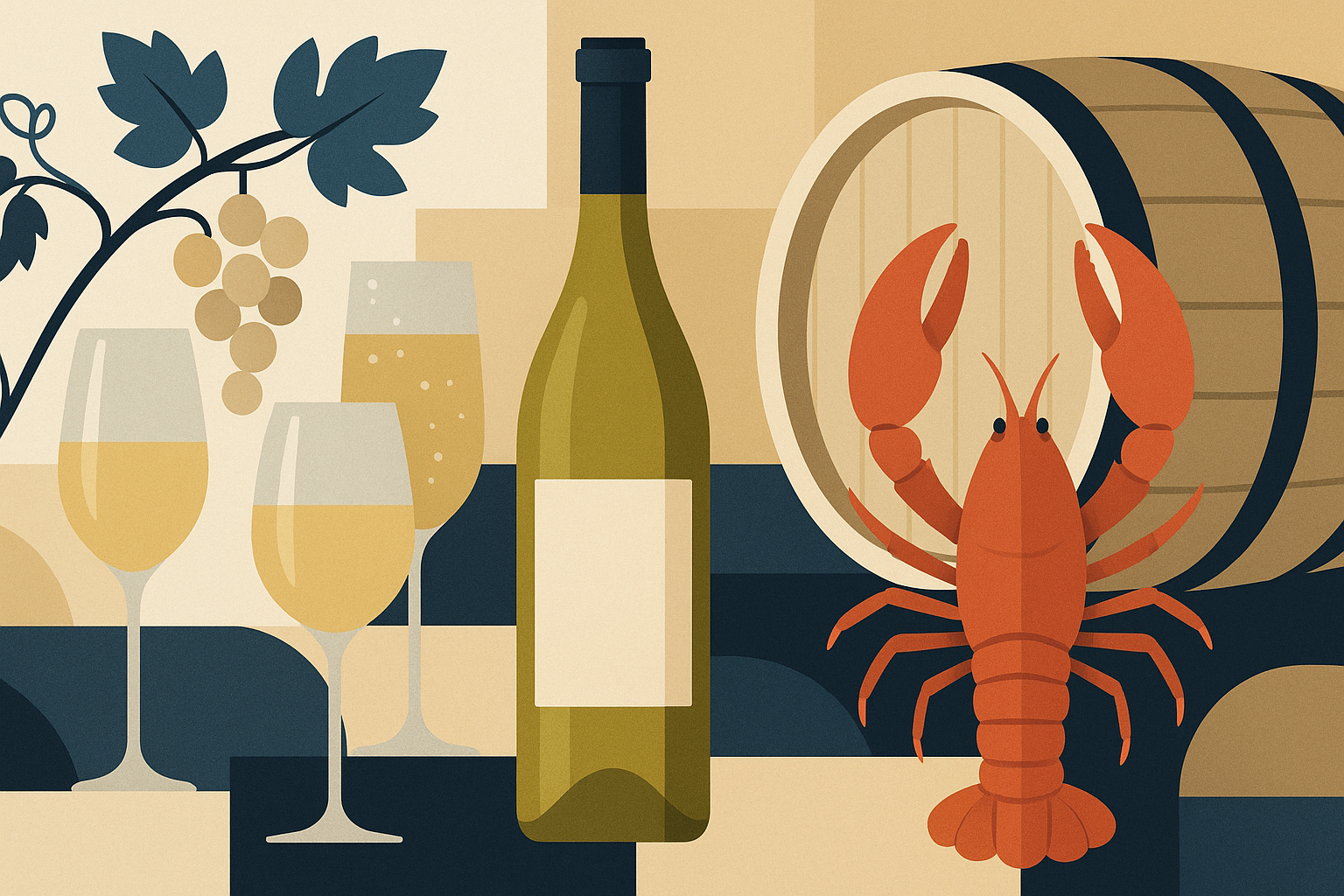

Lobster night is a flex—equal parts celebration and restraint. The shellfish itself is delicate, so your wine needs to play nice. Dr. Vinny at Wine Spectator puts it simply: “Lobster is a really subtle protein.” —Dr. Vinny, Wine Spectator That sets the tone: think freshness, balance, and texture—then tailor your bottle to how the lobster is cooked.
Why This Matters
This isn’t just another headline—it’s a signal of where the wine news is headed. Paying attention now could save you money, introduce you to your next favorite bottle, or simply make you the most interesting person at your next dinner party.
Key Takeaways
- Key themes: lobster wine pairing, Chardonnay, Chablis—stay informed on these evolving trends.
- The takeaway? Keep exploring, keep tasting, and don’t be afraid to try something new.
Style Snapshot: What to pour and why
• Chardonnay (California or White Burgundy): If you’re rolling with classic lobster and butter, a dry, medium-bodied Chardonnay with creamy texture is a dream. California bottlings bring ripe fruit and a gentle butter-friendly vibe; White Burgundy (including Chablis) leans sleek and mineral, acting like a squeeze of lemon. Either way, avoid oak bombs—save the campfire smoke for an actual beach bonfire.
• Chablis & other unoaked styles: High-acid, dry, steel-aged Chardonnays from Chablis slice through richness and keep the lobster’s sweetness front and center. That crisp, saline edge is your lemon wedge in a glass.
• Sauvignon Blanc & Pinot Gris: If you like things snappier, these dry, vibrant whites (think citrus, green apple, and fresh herbs) keep the palate lifted—great for steamed lobster, lobster rolls, or anything with a light hand on seasoning.
• Rhône whites (including Viognier): When the lobster heads into richer territory—grilled tails, pasta in cream sauce—a fuller-bodied, aromatic white can hang with the weight. Viognier’s stone fruit and floral notes meet butter head-on without overpowering the meat.
• Champagne & sparkling: The icon for a reason. Dry styles (Brut) marry high acidity with fine bubbles, scrubbing the palate and sharpening flavors. Rosé Champagne adds a whisper of red fruit for extra fun.
• Light reds (if you must): “I generally wouldn’t recommend a red wine.” —Dr. Vinny, Wine Spectator But if your crew insists, reach for a chillable, light-bodied Pinot Noir or Gamay. Keep tannins low and oak minimal so the lobster doesn’t go missing.
Best occasion: Holiday lobster feasts (hello, Christmas Eve), anniversary dinners, or any night when butter is a food group.
Best pairing direction: Buttered lobster with California Chardonnay; lemony, steamed lobster with Chablis or Sauvignon Blanc; rich pasta dishes with Rhône whites; celebration mode with Champagne.
Context & why it works
We pair to protect lobster’s sweetness and texture. High acid (Chablis, Champagne, Sauvignon Blanc) brightens and balances butter, while moderate body and creaminess (California Chardonnay, White Burgundy) mirror the dish’s richness without getting heavy. It’s a classic contrast vs. complement play: either cut through fat or echo it—just don’t bulldoze the shellfish.
Regional pointers help. Chablis (Burgundy, France) is Chardonnay in a steelier, mineral key—dry, lean, and ocean-kissed. White Burgundy outside Chablis often shows subtle oak and cream, still elegant. California Chardonnay runs a spectrum; pick the Goldilocks zone—ripe fruit, moderate oak, good acidity—so the wine supports the butter and respects the lobster.
Sauvignon Blanc and Pinot Gris bring fresh, zippy energy. In practice, they act like the lemon wedge on the plate. That’s clutch when your prep is simple: steamed tails, butter on the side, maybe a sprinkle of chive. Rhône whites (from varieties like Viognier, Marsanne, and Roussanne) have more body and perfume; they shine when the dish gets richer—grilled lobster with char, lobster linguine, or any sauce you’d describe as “extra.”
Bubbles? Always invited. Dry Champagne’s acidity is a palate reset between bites, and that fine mousse lifts flavor like a well-timed swell. Rosé (still or sparkling) adds flexibility—especially if there’s a bit of tomato or herb in the mix. If you’re venturing red, keep it light and chillable: Pinot Noir from cooler regions or Beaujolais (Gamay), served cool, minimal tannin. Lobster does not enjoy wrestling matches with oak and grip.
Bottom line: build your pairing around preparation and balance. If butter is the lead guitarist, Chardonnay is the rhythm section. If lemon runs the show, Chablis or Sauvignon Blanc is your best backup. And when the night needs fireworks, Champagne does what Champagne does—makes everything taste more like itself, in the best way.
Source: https://www.winespectator.com/articles/what-red-white-sparkling-wines-pair-best-with-lobster