
Bordeaux at Breaking Point: Small Growers Face Harsh Realities
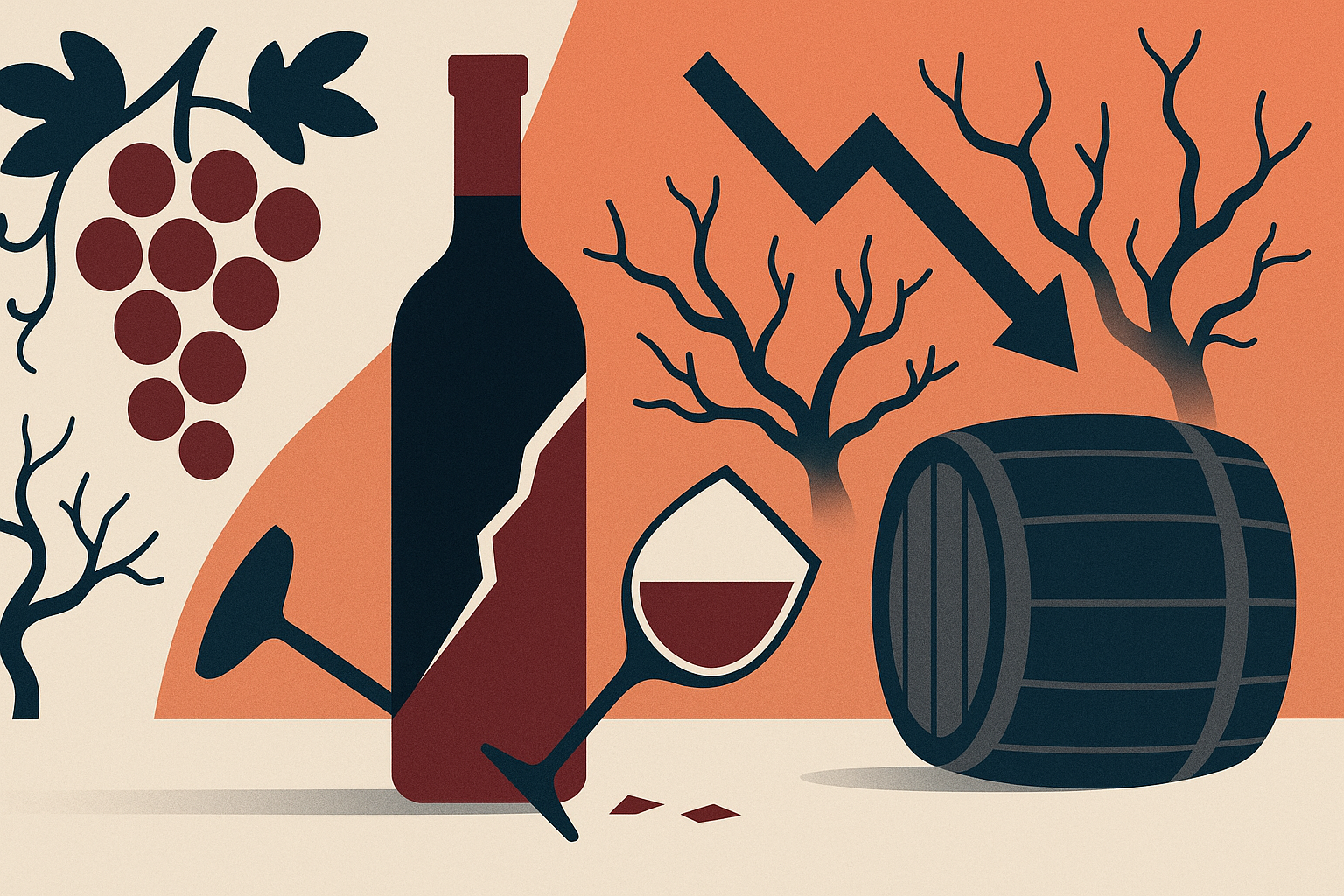
Wine doesn’t exist in a vacuum—even in Bordeaux, where châteaux look eternal and the gravel seems lined with old money. The latest dispatch from Wine-Searcher lands heavy: “Economic reality is biting for small growers,” — Wine-Searcher. Beneath the grand cru glamour, people are struggling, and the human toll is devastating.
Why This Matters
Behind every great bottle is a story, and this one matters. It reflects broader trends shaping how wine is made, sold, and enjoyed. Stay curious—your palate will thank you.
Key Takeaways
- Key themes: Bordeaux, French wine, small producers—stay informed on these evolving trends.
- The takeaway? Keep exploring, keep tasting, and don’t be afraid to try something new.
Style Snapshot: What Bordeaux Red Typically Delivers
When we talk Bordeaux, we’re usually talking blends—especially Cabernet Sauvignon and Merlot, with Cabernet Franc and Petit Verdot playing rhythm section. On the Left Bank (think Médoc), Cabernet leads: dry, medium to full-bodied, structured, and age-worthy, with firm tannins built for time. On the Right Bank (Saint-Émilion, Pomerol), Merlot often takes the wheel: still dry, a touch plusher, and more approachable younger.
That’s the textbook. The reality is far more granular—site, vintage, and farming decisions matter. And right now, the economics of farming are the headline.
Context: Headlines, Heartbreak, and the Wider Picture
Wine-Searcher reports yet another industry-related suicide in Bordeaux, underscoring a crisis that’s more than market noise. A former grower, faced with debts and no sales, reportedly said, “You have to stop before the bank comes and seizes the house.” — Wine-Searcher. That’s not a footnote; that’s a flare.
Zoom out and you see the pressure points: disrupted exports (China’s pullback, trade spats), pandemic aftermath, and an oversupplied market that doesn’t have room for everyone. The French press may be buzzing about a Sancerre that sold out thanks to a Taylor Swift cameo (we’ve all seen how celebrity wind can move cases), but gravity in Bordeaux is different. Big estates have buffers. Small growers don’t.
There are lighter notes in the roundup—Lionel Messi admitting he mixes red wine with Sprite (“It hits you quickly,” — Wine-Searcher), a Florida priest launching a faith-and-wine podcast, and a massive Spanish study recruiting thousands to drink red wine moderately over four years. My inner Californian is cheering the data; my inner pragmatist is reading the fine print (Navarra residency required).
And then there’s tech: a solar-powered, robotic vineyard umbrella just won Best of Innovation in Food Tech at CES. Trialed in Burgundy grands and villages, it aims to shield vines from frost, hail, sunburn, and fungal pressure. Climate resilience isn’t a nice-to-have anymore; it’s part of viticulture’s survival kit. Could this migrate to Bordeaux and help small growers? Possibly. But funding and scale can be cruel gatekeepers.
What This Means For Your Glass
If you love Bordeaux—whether a firm Left Bank Cabernet blend or a supple Right Bank Merlot-forward classic—the moment calls for thoughtful buying. Seek producers who farm responsibly and communicate transparently. Don’t just chase labels; look for value from satellite appellations and lesser-known communes where craftsmanship is high and marketing budgets are low.
Common knowledge says Bordeaux is buttoned-up, age-worthy, and cellared. That still tracks. But the source reporting here adds a human dimension: growers powering that tradition are under stress. Supporting them can be as simple as buying a case from an indie importer or exploring cooperative bottlings that keep families afloat.
Best occasion: dinner where conversation matters and the wine’s arc can unfold. Best pairing direction: protein with structure—steak, mushrooms, aged cheese—things that play well with tannins and bring out the blend’s savory side.
The takeaway? Bordeaux’s identity—blends, terroir, and longevity—is intact, but the people sustaining it need a less brutal business climate. If you’ve ever loved what the Gironde can put in a bottle, now’s a good time to show up for the ones making it happen.
Source: https://www.wine-searcher.com/m/2026/01/more-tragedy-for-bordeaux?rss=Y