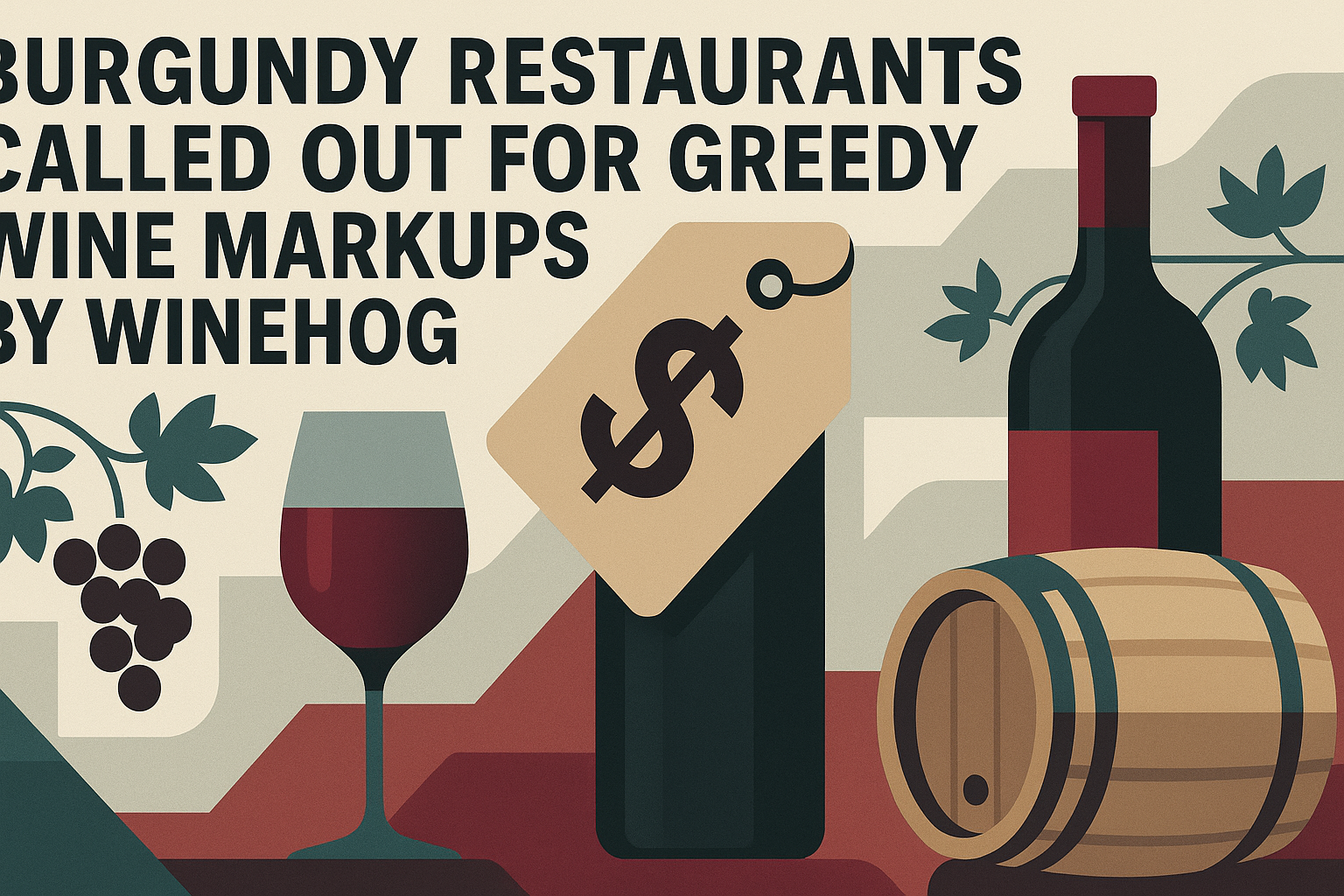

Burgundy Restaurants Called Out for Greedy Wine Markups by Winehog
If you’ve ever opened a wine list in Burgundy and felt your heart rate spike harder than a January swell at Rincon, you’re not alone. Winehog’s Steen Öhman just put restaurants on notice for gouging wine prices—and he’s backing it up with action.
Why This Matters
The wine world moves fast, and this story captures a pivotal moment. Whether you’re a casual sipper or a dedicated collector, understanding these shifts helps you make smarter choices about what ends up in your glass.
“From the beginning of 2026 I will remove the worst and most greedy restaurants.” — Steen Öhman, Winehog
Öhman isn’t mincing words. He plans to cull his Burgundy restaurant recommendations and, in some cases, replace them with frank explanations like “wines too expensive.” That’s a service to his readers, and a signal to the broader wine world: if you’re going to charge Champagne-house margins on Bourgogne Rouge, come correct with hospitality and food that actually sings.
Key Takeaways
- Key themes: Burgundy, wine pricing, restaurant markups—stay informed on these evolving trends.
- The takeaway? Keep exploring, keep tasting, and don’t be afraid to try something new.
What Winehog is actually doing
Let’s be crystal. Winehog’s list is curated to places he’d personally eat and drink. When he says enough is enough, it’s not posturing; it’s consumer advocacy from someone who knows domaine pricing cold. With Burgundy demand still frothy and allocations tighter than a wetsuit in August, some restaurants have assumed markups can climb indefinitely. Öhman’s counterpoint is simple: just because you can doesn’t mean you should.
“The kitchens do huge margins on local wines.” — Steen Öhman, Winehog
The ask is reasonable: if you’re pushing monster margins on the local bottles, don’t triple-whammy guests with silly pricing on entry-level or lesser-known wines. Hospitality is a long game. Squeeze today, lose loyalty tomorrow.
Style snapshot: Burgundy baselines
Burgundy’s core grapes are Pinot Noir (red) and Chardonnay (white). Most bottlings are dry. Reds typically sit light to medium-bodied, with bright acidity, fine tannins, and red-fruit energy. Whites range from tension-driven and mineral to richer, oak-nuanced styles—always anchored by acidity. Appellations matter: village and premier cru sites bring nuance and structure, while regional appellations (Bourgogne, Mâconnais, Hautes-Côtes) often deliver freshness and value.
Knowing this foundation helps you navigate lists—and sniff out markups that don’t make sense for style or tier.
Context: demand, margins, and fair play
It’s no secret Burgundy has been a bull market for a decade-plus. Scarcity meets hype, and suddenly even simple bottlings are flexing luxury pricing. Restaurants ride that wave for margin—understandable to a point. Where it tips into greed is when the math breaks: everyday regional wines at grand cru pricing, “rare” bottles that aren’t rare, or a list that punishes curiosity instead of rewarding it.
Öhman’s stance doesn’t vilify profit. It calls for proportionality. If the kitchen is already making strong numbers on local wines, then balance the list with fair entries: Aligoté that isn’t an eyebrow-raise, Bourgogne Rouge that invites a second bottle, Mâcon whites priced for Tuesday night joy.
How to outsmart a greedy list
Some practical moves, whether you’re in Beaune or back home stateside:
- Hunt the fringes: Hautes-Côtes de Beaune/Nuits, Mâconnais, and Saint-Aubin often deliver classic Burgundy shape without the city-center rent.
- Trust Aligoté and Crémant: dry, crisp, appetite-wakening—and less likely to be abused on price.
- Start at regional tiers: Bourgogne Rouge/Blanc from respected producers can outperform over-priced village bottlings.
- Ask for the real list: some spots stash value picks off-menu. A polite “anything not listed you’re excited about?” works wonders.
- Be flexible on vintages: if the style fits (dry, bright, medium body for Pinot; fresh, mineral for Chardonnay), you can skip the trophy years.
And remember: there’s no shame in ordering something else entirely if the list is a minefield. A fair restaurant meets you halfway.
Best occasion + pairing direction
Best occasion: A relaxed dinner where conversation matters more than label flexing. Burgundy is about texture and tone, not decibel level.
Best pairing direction: Keep it classic and ingredient-friendly. For Pinot Noir, think roast chicken, seared duck breast, mushrooms, or salmon—foods that echo red-fruit brightness and silky tannins. For Chardonnay, lean into roast poultry, shellfish, or simply prepared vegetables and butter—letting acidity cut and oak (if any) harmonize, not dominate.
Why this matters beyond Burgundy
Öhman’s move is local, but the ripple is global. Transparency creates healthier ecosystems. When lists reward curiosity and fair pricing, guests order adventurously, sommeliers get to tell real stories, and producers see their wines enjoyed in the right spirit. That’s the virtuous cycle we want—on both sides of the Atlantic.
Closing takeaway
Winehog isn’t starting a fight; he’s drawing a boundary. Burgundy thrives on nuance—of place, of style, of hospitality. If restaurants respect that, diners will, too. And if they don’t, well, there are plenty of spots happy to pour you a vibrant glass of Pinot or a mineral-laced Chardonnay at prices that make you order a second bottle instead of a second mortgage.
Source: https://winehog.org/greedy-restaurant-the-end-72374/