
Burgundy’s Vins d’Émotion: Chambolle-Musigny & Vougeot, Explained
Steen Öhman over at Winehog — the seasoned compass for Burgundy obsessives — updated his Chambolle-Musigny and Vougeot list through the lens of “vins d’émotion.” Translation: a vibe-forward framework that ranks wines by how deeply they move you, not just how cleanly they tick textbook boxes. For Burgundy, that’s kind of the whole point.
Why This Matters
Behind every great bottle is a story, and this one matters. It reflects broader trends shaping how wine is made, sold, and enjoyed. Stay curious—your palate will thank you.
“A true vin d’émotion – a Burgundy of passion.” — Steen Öhman, Winehog
If you’ve ever wondered why one bottle of Pinot Noir hits like a live jazz set and another feels like elevator music, this rubric is your decoder ring. Öhman’s tiers range from “true vin d’émotion” to “quaffables,” with less flattering bins like “tedious” and “annoying” for wines that behave but don’t sing. Brutal? A little. Useful? Absolutely.
Key Takeaways
- Key themes: Pinot Noir, Burgundy, Chambolle-Musigny—stay informed on these evolving trends.
- The takeaway? Keep exploring, keep tasting, and don’t be afraid to try something new.
Style Snapshot: Chambolle & Vougeot Pinot Noir
Grape variety: Pinot Noir. Region: Côte de Nuits, Burgundy (Chambolle-Musigny and Vougeot). Style: dry, generally medium-bodied, high acidity; tannins from silky (Chambolle) to more robust (Vougeot, especially Clos de Vougeot lower-slope parcels). Aromatics skew red-fruited (cherry, raspberry), with florals and spice; oak is seasoning, not the meal.
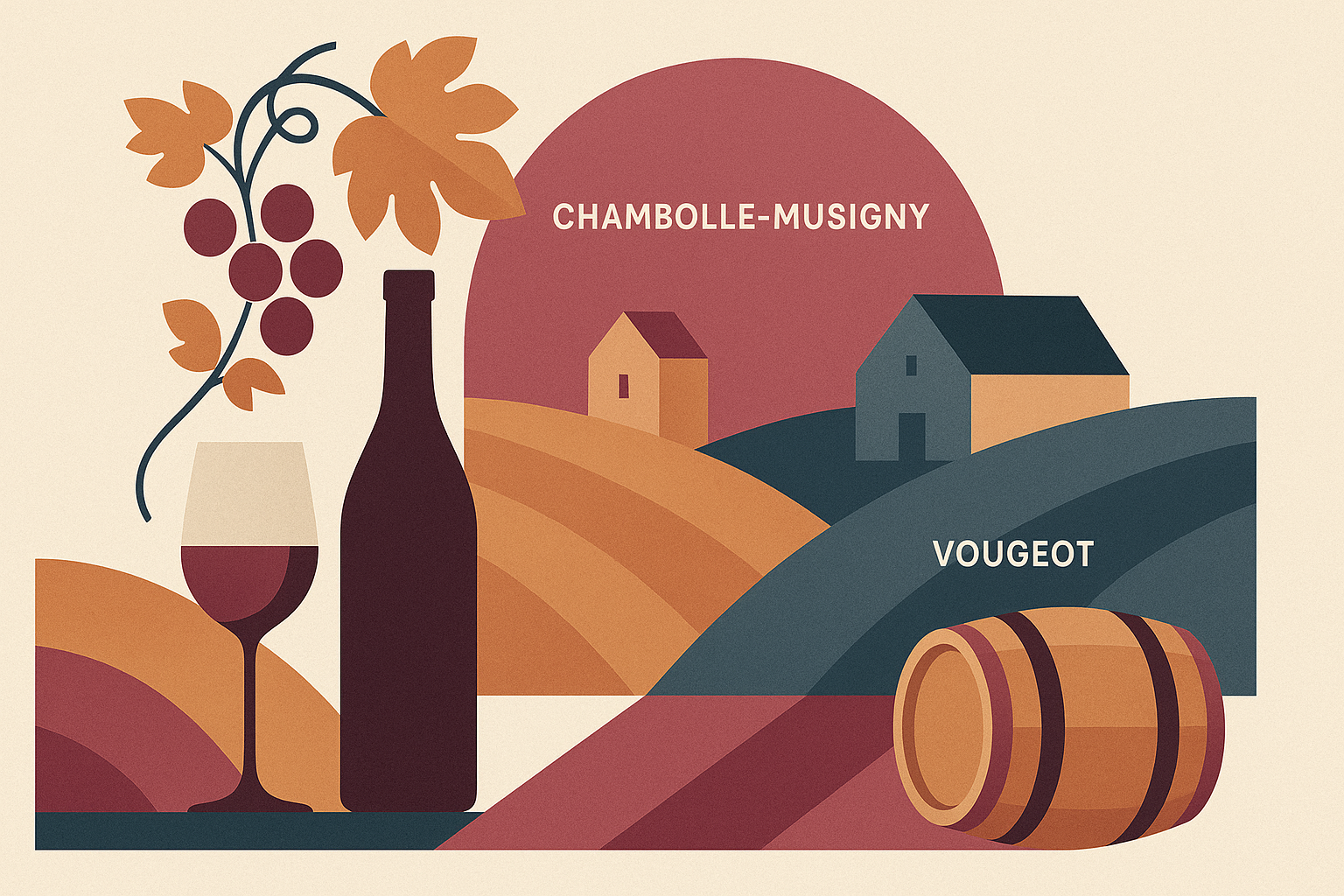
Chambolle-Musigny is widely celebrated for its satin texture and perfume. The village’s limestone-rich soils often yield wines that feel weightless yet persistent — ballerinas with steel toes. Vougeot, by contrast, is more of a patchwork. Its grand cru, Clos de Vougeot, spans varied altitudes and soils, so styles range from elegant to muscular. Village Vougeot also exists (and even a permitted white), but red Pinot remains the headline act.
What “Vins d’Émotion” Signals in the Glass
Winehog’s update pushes us to judge Burgundy by emotional charge, not just structure or pedigree. A bottle can be perfectly competent and still fail to move you — the very definition of “tedious.” On the flip side, some wines light up a room before the first sip. Öhman even splits the upper tiers: some are hedonistic and lively, others are vivacious and indulgent, while certain bottles land in the “potential” category — fresh and light, teasing something more with time.
“A vivacious wine for pure indulgance.” — Steen Öhman, Winehog
I like this approach for buyers because it translates directly to experience. It’s less “is the mid-palate appropriately filled?” and more “will this make dinner memorable?” The tiers offer a north star when labels and scores blur together.
Chambolle vs. Vougeot: Reading the Map
Common knowledge says Chambolle is the silkiest of the Côte de Nuits — a perfume-forward expression of Pinot Noir that’s all about finesse. Vougeot, especially Clos de Vougeot, is famously variable: upper-slope plots tend toward grace; lower-slope parcels can be darker, denser, and more tannic. That doesn’t make one inherently “better,” but it does shape where you’re likely to find those emotion-forward bottles.
What Winehog’s tiers imply, read alongside this geography, is simple: when Chambolle sings, it’s often in the “true” or “hedonistic” emotional lanes — wines that glide and glow. Vougeot can hit those heights, too, but consistency relies heavily on producer and parcel. This is where producer-tracking pays off, and where Öhman’s framework earns its keep.
Buying Cues from the Vins d’Émotion Lens
- If you want guaranteed charm: Prioritize Chambolle from producers known for delicacy and low-extraction elegance.
- If you like structure with soul: Target Clos de Vougeot from upper-slope, detail-driven domaines.
- “Potential vin d’émotion”: Think fresh, light, and likely to blossom. Perfect cellaring candidates or flexible weeknight charmers.
- “Quaffables”: Crowd-pleasing, uncomplicated, better for casual pours than milestone moments.
- “Tedious/Annoying”: Technically fine doesn’t equal compelling. Burgundy is expensive; let emotion guide your splurge.
Context: Pinot Noir, Burgundy, and Why Emotion Matters
Pinot Noir is a transparency machine; it broadcasts site, vintage, and the winemaker’s hand. Burgundy doubles down on that transparency with tiny, terroir-specific parcels. So an emotional rubric isn’t fluffy — it’s functionally a consumer heuristic for a region where nuance is the currency. In a lineup of wines that are all dry, medium-ish in body, and classically red-fruited, “which one gives me goosebumps?” is a fair and frankly useful question.
Best Occasion + Pairing Direction
Best occasion: A dinner where conversation matters — think birthdays, promotions, or the night you actually cook from that bookmarked recipe.
Best pairing direction: Keep it savory and simple. For Chambolle’s silk — roast chicken, seared salmon, or mushroom-driven dishes. For sturdier Vougeot — duck, soy-glazed eggplant, or grilled lamb chops. In both cases, skip heavy sweetness and let the acidity slice through fat like a well-waxed longboard through morning glass.
Bottom Line
Öhman’s update reframes the Chambolle/Vougeot conversation in the best way: does it move you? Burgundy rewards patience and producer homework, but it should never feel like homework. Use “vins d’émotion” as your filter, and aim for bottles that don’t just behave — they perform.
Quote source: Steen Öhman, Winehog – with a passion.
Source: https://winehog.org/vins-demotion-from-chambolle-musigny-and-vougeot-51246/