
Champagne Telmont earns ROC, nudging the region toward green
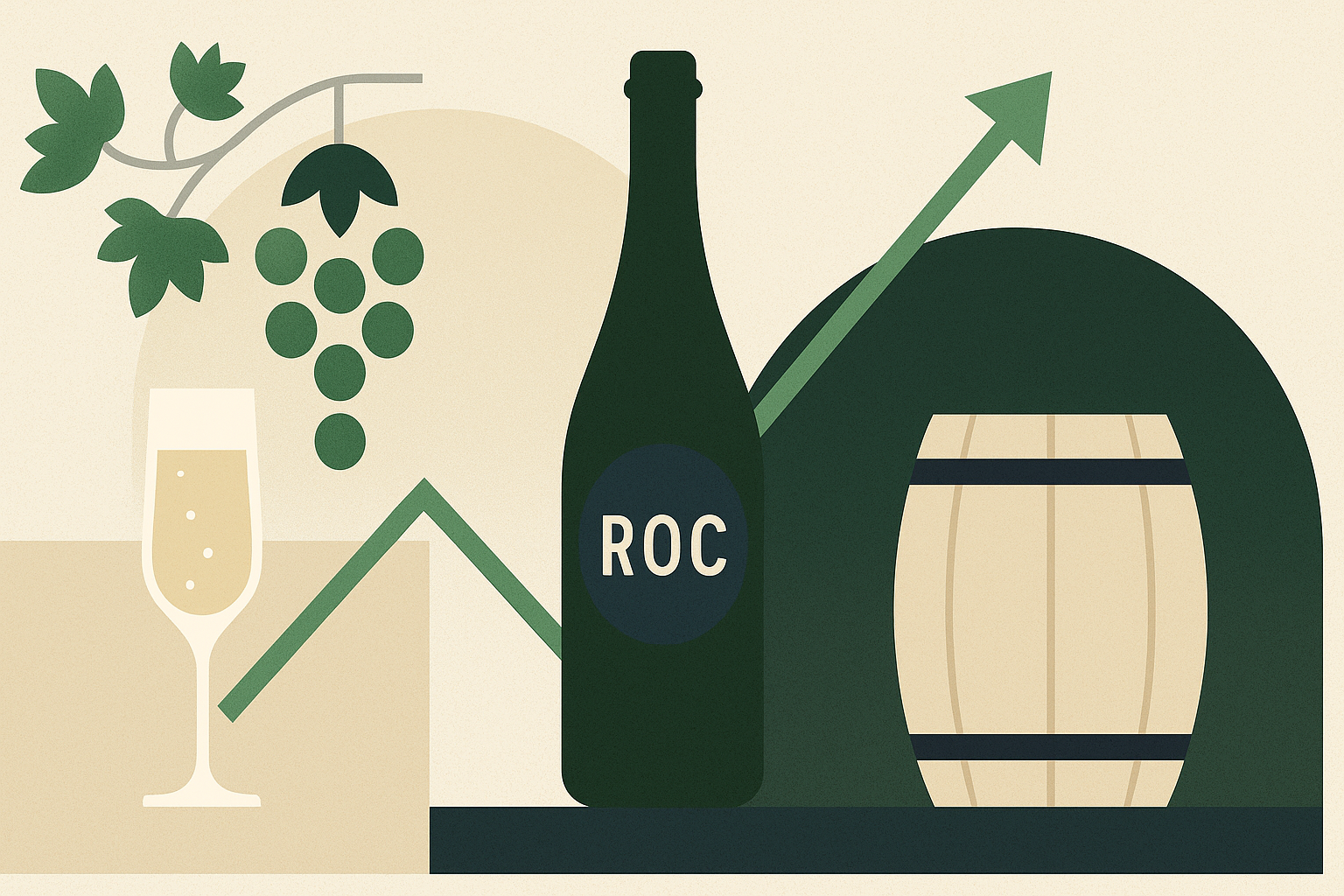
Champagne just got a little fresher—and I don’t mean the dosage. Champagne Telmont has become the first Regenerative Organic Certified (ROC) sparkling wine domain, a milestone that could finally push the region beyond lip-service sustainability and into farm-first, soil-forward action. As Wine-Searcher notes, “only eight percent of the appellation is currently under organic certification” (Wine-Searcher). In Champagne, that’s basically one toe in the compost bin.
Why This Matters
Behind every great bottle is a story, and this one matters. It reflects broader trends shaping how wine is made, sold, and enjoyed. Stay curious—your palate will thank you.
Big picture: ROC goes beyond “eco-friendly” badges and asks producers to commit to organic farming, soil health, biodiversity, and fair labor. For a region that still wrestles with herbicide habits, Telmont’s move is a flex—and a signal.
Key Takeaways
- Key themes: Champagne, Telmont, Regenerative Organic Certified—stay informed on these evolving trends.
- The takeaway? Keep exploring, keep tasting, and don’t be afraid to try something new.
Style snapshot: what Champagne brings to the glass
Even as the farming shifts, the core of Champagne doesn’t change: traditional blends of Chardonnay, Pinot Noir, and Pinot Meunier; typically dry (think Brut), high acid, and crisp with fine bubbles and that classic autolytic character—toast, brioche, the bakery aisle you actually want to be trapped in. ROC won’t make your Brut taste like a kale smoothie. It aims to make vineyards healthier and wines more resilient, which tends to show up as balance, clarity, and consistency over time.
Best occasion: celebrations that matter (promotion, new baby, or the rare Tuesday when you nailed your car parallel park on the first try).
Best pairing direction: keep it bright—oysters, sushi, fried chicken, or triple-cream cheeses. Salt, fat, crunch, acid: Champagne’s happy place.
Why Telmont’s ROC certification matters
Champagne’s sustainability playbook has been heavy on environmental certifications like VDC (Viticulture Durable en Champagne), but lighter on strict pesticide reduction or social commitments. According to Wine-Searcher, 60 percent of vineyards carry some form of environmental certification; 43 percent have VDC. Yet VDC still “remains rather lax in its approach to pesticide usage” (Wine-Searcher). That gap is glaring when you remember the region walked back its zero-herbicide promise and tolerated illegal glyphosate use last spring.
Telmont, backed by consistent organic ambitions, now plans to require its partner growers to become ROC-certified—meaning trees planted, rainwater collected, cover crops used, biodiversity encouraged, and workers treated like human beings, not tractors. That’s farm culture, not just compliance. It’s also the kind of holistic framework younger drinkers care about. Wine-Searcher points out Gen-Z and Millennials often view Champagne as “a little too old fashioned”—exactly the perception ROC can help refresh.
Context: Champagne’s green pivot—slow but accelerating
Champagne has been stacking labels. Piper-Heidsieck, Charles Heidsieck, Bollinger, and Mailly-Grand-Cru have gone B-Corp, while LVMH is chasing RegenAgri across its vast vineyard holdings (Moët, Veuve, Ruinart, Krug, Dom Pérignon, Mercier—you know the crew). But ROC is unique because organic is table stakes; you don’t get the regenerative badge without the organic foundation.
If Telmont’s move catalyzes more producers—especially the organic and biodynamic smaller houses already aligned with these practices—Champagne could quickly tighten the gap with other French regions, where roughly 22 percent of vineyards are organic. And if the Association des Champagnes Biologiques and groups like Arbre et Paysage en Champagne rally behind ROC, the appellation could become Europe’s largest ROC zone. That’s not just optics; it’s agronomy and economics meeting at the same table.
And yes, if you were wondering, Leonardo DiCaprio is involved. As Wine-Searcher quotes him: “Becoming the first Champagne house to earn ROC is a major achievement for Telmont and for Champagne as a whole” (Wine-Searcher). You don’t have to love celebrity cap tables to appreciate a good soundbite—and a serious nudge.
What this means for buyers
Translation for your next bottle shop run: if you care about what happens in the vineyard, ROC is a strong signal. You’re getting Champagne’s classic profile—dry, precise, food-versatile—with a farming philosophy that’s better for soils and workers. It’s not magic, but it’s meaningful. And if more houses follow Telmont’s lead, we might finally see Champagne evolve from climate talking points to climate action, which has a way of showing up quietly in the glass over vintages.
Closing takeaway: Champagne’s future won’t hinge on clever ad campaigns; it’ll be built row by row. Telmont just showed the region a blueprint—and made it cool to care about cover crops. Your toast can be both celebratory and conscientious. That’s a vibe I can get behind.
Source: https://www.wine-searcher.com/m/2026/01/champagne-turns-new-green-leaf?rss=Y