
Desert Wind Reds: 93-94 Point Merlot, Carménère, Petit Verdot
Reverse Wine Snob just dropped a three-bottle insider deal featuring Desert Wind Winery’s estate reds out of Washington’s Wahluke Slope—Merlot (94+), Carménère (93), and Petit Verdot (93). The offer is sold out now, but the lineup is the real headline: three distinctive, low-production, dry reds that each lean into their grape’s personality while showing a consistent house style—polished fruit, neutral oak, and structure that’s more river rock than rough gravel.
If you’re new to Desert Wind, it’s a sun-drenched corner of Washington where heat and rocky soils push fruit to ripeness but keep tannins tight. In other words: bring your decanter, but don’t fear the jammy zone. And while I didn’t taste these bottles myself, the Reverse Wine Snob team gives plenty of detail—plus the kind of scores that make you hover over the add-to-cart button.
Style Snapshot: Wahluke Slope, Dry Reds, Estate-Grown
Region/Appellation: Wahluke Slope, Washington (estate vineyard). Expect a warmer AVA, intense fruit, and firm tannin from well-draining rocky soils.
Grapes & Profiles: Merlot (usually plush, medium to full-bodied, dry), Carménère (medium-bodied, dry, known for green pepper/pyrazine notes), Petit Verdot (full-bodied, dry, deeply colored, structured tannins).
Oak & Elevage: All three see 19 months in neutral French oak—so think texture and polish rather than vanilla frosting.
Body & Balance: Dry across the board with juicy fruit cores, lively acidity, and finishing grip—built to sit with dinner rather than dessert.
Context: How the Wines Line Up Against Common Wisdom
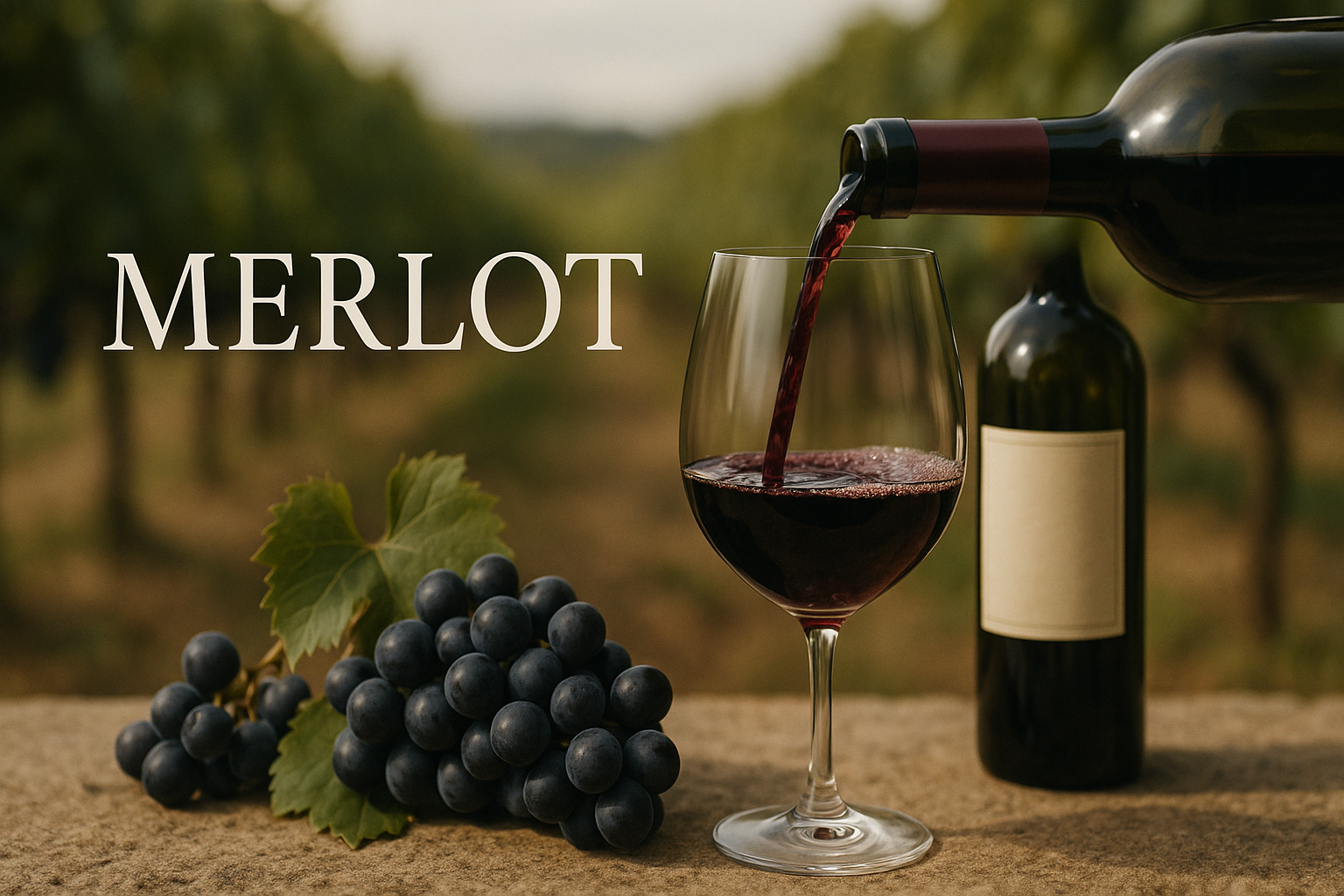
Merlot first. Washington Merlot tends to split the difference between Bordeaux and Napa—plush fruit, fresh acidity, and a ‘dusty’ tannin profile that makes it pretty crowd-friendly. Reverse Wine Snob calls this one “A beautiful, smooth, juicy, dusty example of the variety” —Reverse Wine Snob. That tracks, especially coming from their two best estate blocks. Neutral oak here lets the Wahluke Slope fruit show without getting clobbered by toast.
Carménère can be a polarizing grape thanks to its signature green notes (think bell pepper or jalapeño from pyrazines). In Chile, the best versions hit a sweet spot: ripe dark fruit plus savory greens that feel intentional, not accidental. The Desert Wind take sounds dialed: plum, blackberry, black cherry, and “lovely green and red pepper notes” —Reverse Wine Snob. That’s the balance point—ripe core, herbal edges, velvety texture—very Carménère, and very tempting with herby dishes or grilled veg.
Petit Verdot is typically the color and tannin booster in Bordeaux blends; on its own, it can be intense and brooding. Here, Desert Wind leans toward a juicier, more approachable spin. Reverse Wine Snob drops a tidy summary: “Deep, juicy and structured” —Reverse Wine Snob. Add 11% Syrah and pinches of Carménère and Cabernet, and you get a more lifted mid-palate without sacrificing grip. Decanting recommended, which is PV’s love language.
All three are small-production estate wines (125 cases of PV, 325 of Carménère and Merlot) with consistent élevage and a clear Wahluke Slope signature: sun-kissed fruit, stony texture, and long, dry finishes.
Buy Intent, Occasions, and Pairing Directions
Best occasion: Weeknight-plus. These feel like “Tuesday dinner turned special,” but still polished enough for a casual dinner party. The Merlot reads most universally appealing; Carménère is your adventurous pick; Petit Verdot is for the structure-lovers.
Best pairing direction: Keep it savory and balanced. Merlot wants roasted mushrooms, herbed chicken, or a margherita pizza with basil. Carménère shines with chimichurri steak, grilled peppers, and anything that loves a green note—think rosemary and thyme. Petit Verdot pairs with braised short ribs, black pepper rubs, or aged cheddar—the kind of foods that stand up to tannin and thank you later.
Closing Takeaway
Even though this insider deal is sold out, the Desert Wind trio underscores what Wahluke Slope does best: dry, fruit-forward reds with enough backbone to keep things interesting. If you’re building a Washington lineup, keep Desert Wind on your radar—especially if you like your Merlot dustier, your Carménère greener (in the right way), and your Petit Verdot structured without getting broody.
Pro tip: when these small-case, estate bottlings pop up again, don’t overthink it. Grab a decanter, invite a friend, and let the rocks do the talking.
Source: https://www.reversewinesnob.com/insider-deal-desert-wind-winery-reds/