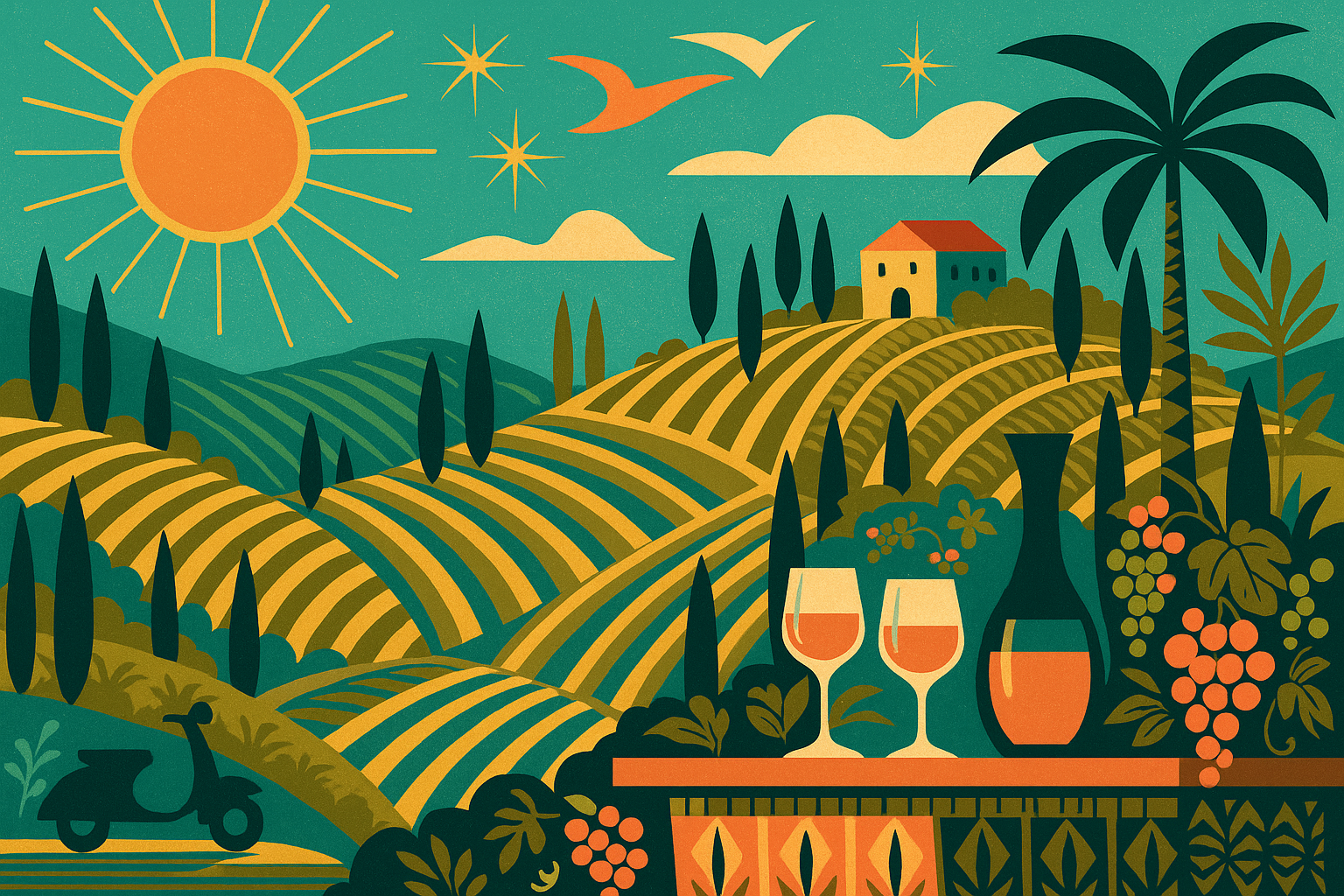

If your idea of a perfect mini-break involves more sun, less fuss, and a glass that doesn’t stay empty, you’re in luck. Time Out’s Liv Kelly covered new research from QuoteZone that points to the next travel trend: vineyard escapes. The index crunched costs (bottles and tours), three-night stays, weather, and awards to rank Europe’s best wine destinations for 2025—and Spain’s Rioja tops the podium.
“Rioja sits top of the rack.”
— Liv Kelly, Time Out Worldwide
Here’s why the result makes sense. Rioja is big—like, 600-wineries-and-65,000-hectares big—and it’s been making wine for roughly 2,000 years. The region’s recent trophy run doesn’t hurt either, with top showings at the Decanter World Wine Awards and World’s Best Vineyards. But what really separates Rioja for travelers is the rare combo of sunshine, value, and variety: you get polished bodegas and old-school caves, Tempranillo from rugged hillsides, and architecture that swings from medieval to ultra-modern Frank Gehry vibes.
Kelly notes that weather was part of the scoring, and Rioja’s geography plays defense like a title-winning back line. Sheltered by the Sierra Cantabria and the Sierras de la Demanda/Cameros, the area sees a relatively low chance of rain—perfect for sipping, strolling, and not playing umbrella roulette.
Price-wise, the study surfaced a few curveballs worth knowing before you book. In Rioja, expect around £22 for a bottle and £19 for a winery tour. Over in Bordeaux, bottles average higher at about £34.36, while tours can be cheaper at roughly £15.20. Translation: you might spend less per bottle in Rioja and more per tour—but that tour premium often buys deeper tastings, more time with winemakers, and fewer cattle-call vibes. Choose your adventure.
Second and third place went to Piedmont and Tuscany—no shocker to anyone who likes their tannins with a side of pasta. Piedmont is Nebbiolo country: Barolo and Barbaresco bring haunting aromatics, structure for days, and those truffle-season fantasies. Tuscany is your lane for Sangiovese in all its moods, from Chianti Classico’s savory cherry snap to Brunello’s broad-shouldered elegance. The two regions differ in vibe (Piedmont leans misty hills and slow mornings; Tuscany beams sun, cypresses, and medieval swagger), but both deliver A+ wine tourism infrastructure and plenty of FOOD. Yes, in caps.
Rounding out the list are heavy-hitters and insider darlings: Bordeaux (grand châteaux and Left/Right Bank lessons), Douro Valley (schist terraces and river cruising), Rhône (Syrah north, Grenache south), Champagne (bubbles with underground cathedrals), Burgundy (pinot and chardonnay at the source), Tokaj (sweet and sleek, honeyed but high-acid), and Mosel (Riesling that clings to slate like a rock climber). It’s not just a ranking—it’s basically your Euro wine syllabus.
“These are the 10 best wine regions in Europe.”
— Liv Kelly, Time Out Worldwide
So how do you turn this into a legit vineyard mini-break?
- Time your trip: Shoulder seasons (late spring, early fall) mean gentler crowds and better odds of sunshine in Rioja. Harvest is magical but busy.
- Book smart: Smaller producers often need advance reservations; big-name estates can be polished but pricier. Mix both.
- Build a three-night plan: Day 1—iconic winery architecture plus a traditional bodega. Day 2—single-vineyard focus and tapas crawl. Day 3—vineyard hike, museum stop, and a long lunch that migrates into golden hour.
- Budget by experience: If a tour fee runs higher, look for cellar access, longer tastings, or vineyard visits—those extras pay off in memories.
- Stay flexible: Weather is a factor in this ranking; give yourself options for indoor tastings and outdoor terrace time.
A quick extra: Awards were baked into the study’s methodology for good reason. Judging isn’t gospel, but repeat wins (like Rioja’s recent medals) are a strong signal that quality is consistent, not a one-vintage fluke. If you’re ranking where to spend precious PTO, consistency matters.
My take? Start with Rioja if you crave sunshine, range, and value. Go Piedmont for contemplative reds and long lunches that end with hazelnut everything. Choose Tuscany when you want to stitch wine, history, and postcard views together without breaking a sweat. Then pick a wild card—Tokaj for high-acid elegance, Mosel for Riesling that tastes like light itself, or Douro if you want your wine trip to also be a river journey.
Whether you’re team Tempranillo or team Nebbiolo, the point stands: Europe is stacked. Time Out’s reporting gives you a data-backed springboard. From there, follow your palate, pack a corkscrew—and maybe a backup. Surf’s up on the vineyard mini-break wave.
Reported by Liv Kelly for Time Out Worldwide; based on QuoteZone’s analysis.
Source: https://www.timeout.com/news/europes-best-wine-destinations-in-2025-ranked-070325