
Facebook Page Recommendations: What Wine Businesses Should Do
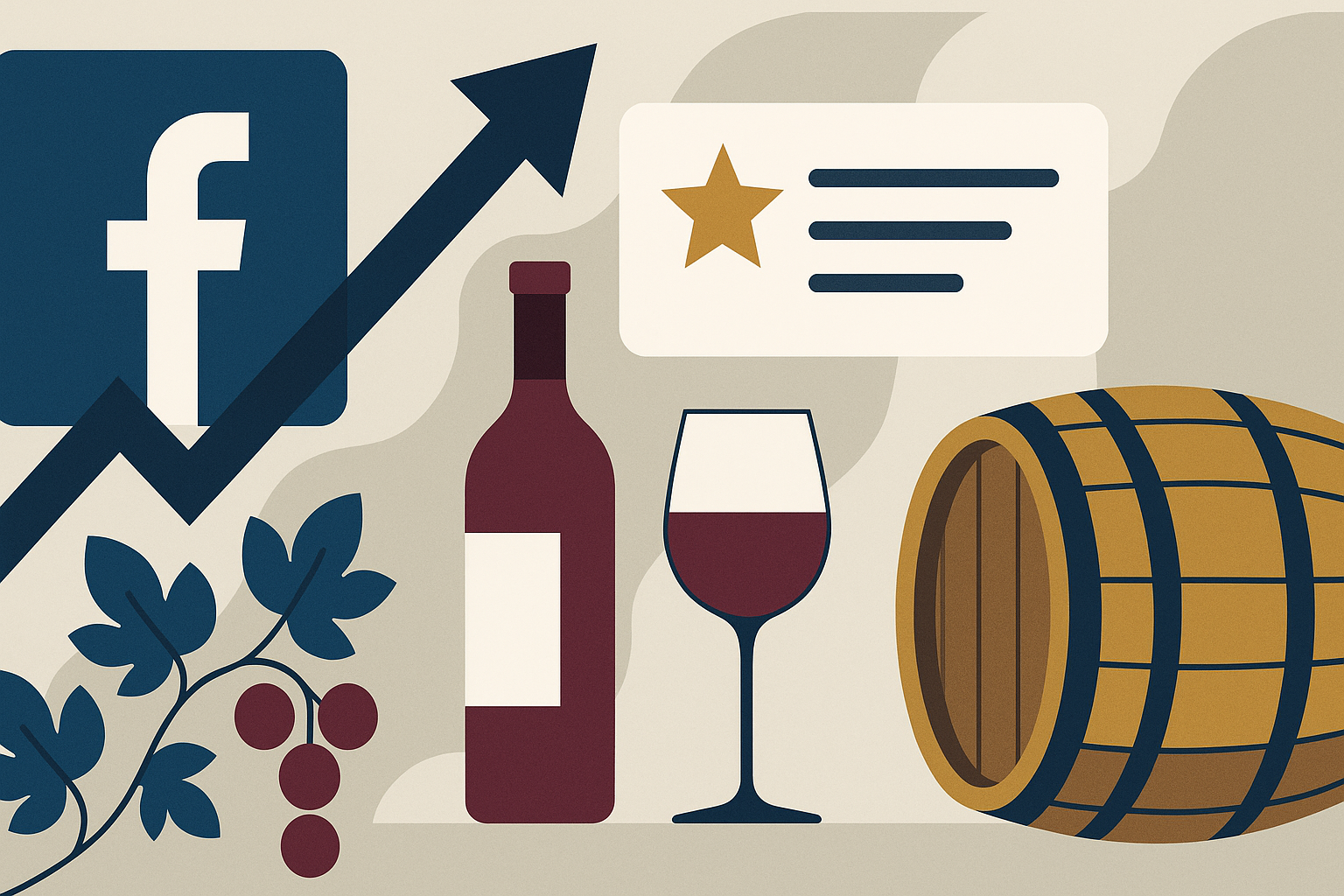
If your winery or tasting room’s Facebook page suddenly lost its recommendations, you’re not alone—and you probably didn’t do anything wrong. Sean P. Sullivan of Northwest Wine Report has been tracking the widespread suspensions hitting alcohol-related pages, and his take is refreshingly straightforward: don’t panic, don’t start deleting things, and don’t reinvent your page overnight.
Why This Matters
This isn’t just another headline—it’s a signal of where the wine news is headed. Paying attention now could save you money, introduce you to your next favorite bottle, or simply make you the most interesting person at your next dinner party.
As Sullivan puts it, “My strong feeling is that this is an algorithmic error” —Sean P. Sullivan, Northwest Wine Report. In other words, a Facebook hiccup swept up a ton of pages, not a new policy aimed at wineries.
Key Takeaways
- Key themes: Facebook recommendations, wine marketing, social media for wineries—stay informed on these evolving trends.
- The takeaway? Keep exploring, keep tasting, and don’t be afraid to try something new.
What to do right now
Start simple: check your age restriction setting. Go to your Facebook Page settings, then Followers & public content > Age restrictions. If your business falls under alcohol, set it to “Alcohol-related” and call it a day. If it’s already correct, don’t change it.
Sullivan’s advice beyond that? Resist the urge to tinker. No mass deletion of posts, no name changes, no tag scrambles, no sudden pivots in content style. The logic is clean and calm: if an algorithm broke it, only the algorithm will fix it.
He also flags a key consequence many forget: “Age-restricted pages cannot be part of groups.” —Sean P. Sullivan, Northwest Wine Report. That means if you add an age restriction to a previously unrestricted page, it will be automatically removed from any groups it’s in. You likewise won’t be able to post directly to groups from that page. Individuals (like your winery’s social media manager) can still share posts from the page into groups, but the page itself can’t be a member.
Context: alcohol pages and platform quirks
Most wine brands already live with platform guardrails: age gates, ad targeting constraints, and extra scrutiny on content that mentions booze. That’s normal for a regulated category. What’s not normal is waking up to vanishing recommendations across “millions of pages,” as Sullivan suggests. When this kind of systemic wobble happens, it usually resolves once the platform tunes its models—or at least acknowledges the issue.
Here’s where we align with Sullivan’s cut-the-noise approach. The internet fills up fast with quick fixes and questionable scripts, which he warns against. The rule of thumb: be skeptical of YouTube hacks and never download or install anything to “repair” page status. Your brand’s trust is worth more than a shortcut that may get you nowhere—or worse.
Why this matters for wineries
Recommendations aren’t just vanity metrics; they influence consumer trust for tasting rooms, DTC clubs, and tourism paths. If you rely on Facebook for discovery—think local visitors checking where to sip after a hike—losing recs can dent momentum. But deleting content or overhauling your identity can cause bigger, longer-term problems than a temporary algorithmic blip.
Sullivan notes his own recommendations were restored without changes—proof enough to let the dust settle. Could they disappear again? Sure. But making wholesale changes when the platform may be at fault is like changing your vineyard row spacing during a single windstorm.
Practical playbook
- Verify age restrictions are correct (“Alcohol-related” if applicable) and leave them be.
- Don’t delete posts, rename your page, or overhaul tags without a real, strategic reason.
- Expect that age-restricted pages can’t be group members. Share via personal profiles if needed.
- Ignore third-party scripts, downloads, and quick-fix pitches.
- Monitor your page and keep creating normal, high-quality content.
Bonus: Sullivan points to helpful context from Lunabean Media. Use reputable sources, stay grounded, and keep your brand voice consistent. In wine terms: steady fermentation beats frantic punching down.
Best occasion & pairing direction
Best occasion: When your winery’s Facebook recommendations vanish and your team needs a level-headed plan.
Best pairing direction: Pair with patience and a bright, dry white—think crisp vibes while the algorithm sobers up.
Bottom line: Keep your age settings correct, ignore the panic, and let Facebook fix its own mess. As Sullivan’s stance implies, this looks like a platform-side problem—not a winery-side sin. In the meantime, keep telling your story consistently. Your community will notice, and the robots will catch up.