
Facebook’s page glitch rattles wineries; review option appears
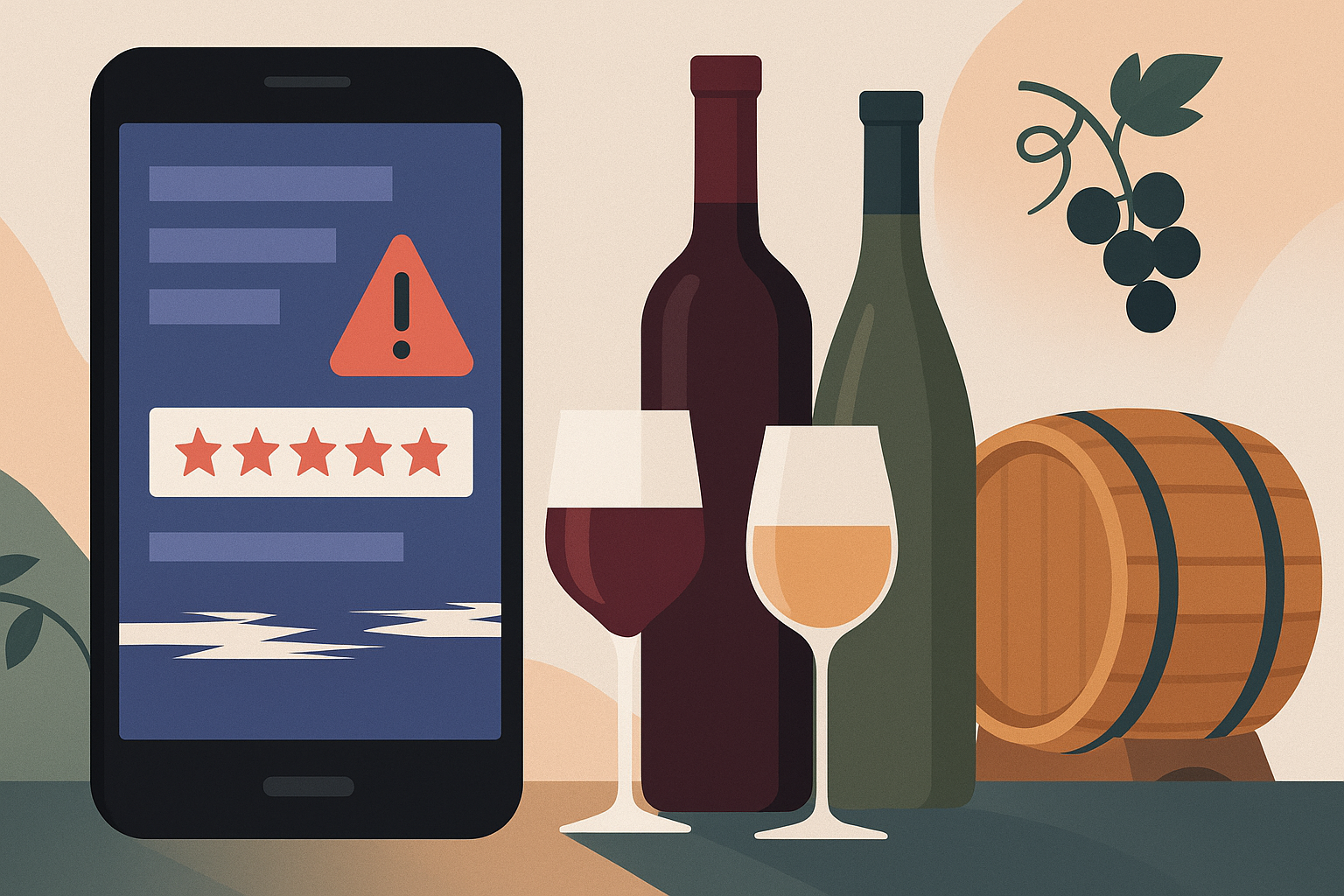
If your winery’s Facebook Page recommendations suddenly went dark this month, you weren’t imagining it—and you weren’t alone. As Sean P. Sullivan reports at Northwest Wine Report, Meta suspended Page recommendations for “millions” of business accounts, including wineries, breweries, and distilleries, then quietly rolled out a way to request a review. Helpful? Sort of. Think knee-high swell with a messy onshore—technically surfable, not exactly fun.
Why This Matters
Behind every great bottle is a story, and this one matters. It reflects broader trends shaping how wine is made, sold, and enjoyed. Stay curious—your palate will thank you.
Key Takeaways
- Key themes: wine industry, social media, Facebook—stay informed on these evolving trends.
- The takeaway? Keep exploring, keep tasting, and don’t be afraid to try something new.
What changed—and why this matters for wine businesses
On or around January 9, Page owners got notices that recommendations were suspended for violating community standards, without specifics and with no initial way to appeal. Sullivan sums it up bluntly: “Human beings will not be looking at these decisions.” — Sean P. Sullivan, Northwest Wine Report.
Translation for tasting-room reality: fewer recommendations mean fewer new eyes on your business. Discovery is half the game on social; if you’ve leaned on Facebook’s recommendation engine to funnel visitors to your DMs, events, and club signups, this kind of blanket suspension is a direct hit to traffic and, downstream, to sales.
Meta’s ‘review’ band-aid—and why it’s weird
By January 17, Facebook added a request-review option for affected pages (one user spotted it under Page settings → Page Status → Extra Features → Recommendations). The catch? The radio-button choices don’t map cleanly to the problem—because most of them are simultaneously true for legitimate winery pages. That’s Sullivan’s core critique: the tool doesn’t reflect the actual failure mode of the algorithm.
He doesn’t mince words: “Overall, this continues to be a mess of Facebook’s own making.” — Sean P. Sullivan, Northwest Wine Report.
Also messy: some pages were restored without action, then suspended again. Others were restored and stayed that way. Inconsistency is a vibe—unfortunately not the kind you want when you’re planning spring releases.
Action plan for wineries (aka: triage with a steady hand)
- Check age gates now. Alcohol pages should have appropriate age restrictions enabled. Sullivan notes changing age restrictions can remove your Page from groups—annoying, but compliance matters more than convenience.
- Request a review. Yes, the options are clunky. Pick the answer that most closely reflects your case (for many, “technology misunderstood my intent/context” will fit). Keep screenshots of everything.
- Avoid whiplash decisions. Don’t overhaul content strategy overnight. This looks like a platform error, not systemic policy against legitimate beverage businesses.
- Diversify your discovery. If Facebook recommendations wobble, lean into Instagram Reels, Google Business profiles, and—seriously—email. The algorithm can’t shadowban your mailing list.
- Communicate proactively. Pin a post explaining the issue and direct fans to your site and newsletter. If you have an event or allocation coming, don’t assume organic discovery will carry it.
- Keep ads modest and targeted. If you’re running paid, watch delivery and approvals closely. Pause if you see anomalies; don’t feed a broken machine.
Context: algorithms, alcohol, and ambiguity
Alcohol content has always lived in a policy gray zone on social platforms. The intent is fair—protect minors, limit irresponsible marketing—but automated enforcement often misreads legitimate, compliant posts. Vineyard scenes, event flyers, even tasting-room announcements can trip filters when context is stripped by the machine. That’s the crux here: if “Human beings will not be looking at these decisions,” you’re at the mercy of a classifier that doesn’t differentiate between a rosé release and a frat party keg.
For an industry that sells place, craft, and hospitality, discovery matters. Recommendations are a top-of-funnel moment—where a traveler planning a Willamette weekend stumbles onto your feed and adds your pin to the map. When that stream dries up, your growth engine feels it, even if your core audience still sees your posts.
How I’d frame it to your team
Short term: get compliant, request a review, and steady the ship. Medium term: build more resilience into your marketing mix so a single platform’s wobble doesn’t capsize your quarter. Long term: keep telling your story in channels you own—website, email, SMS—while using social for reach, not oxygen.
Best occasion: when your metrics suddenly dip and you need a clear-headed plan before the weekend rush.
Best pairing direction: patience and documentation—served alongside a diversified channel mix and a resilient email list.
Bottom line: Facebook added a door back into recommendations, even if the handle’s on the wrong side. Use it, but don’t wait in the hallway. Keep building routes to your brand that algorithms can’t take away.
Attribution: Reporting and quotes by Sean P. Sullivan, Northwest Wine Report.