
Garrigue Explained: Why Rhône Herbs Show Up in Wines Worldwide
If you’ve ever taken a sip of a Southern Rhône red and thought, “Did someone just crush wild thyme under my nose?” welcome to the world of garrigue. In a smart, no-nonsense explainer, Wine Spectator’s Dr. Vinny breaks down the term and why it shows up in tasting notes far beyond Provence and the Rhône. The short answer: garrigue is a place, a plant mix, and a vibe—one that can leave its herbal fingerprint on the wines we love.
Why This Matters
This isn’t just another headline—it’s a signal of where the wine news is headed. Paying attention now could save you money, introduce you to your next favorite bottle, or simply make you the most interesting person at your next dinner party.
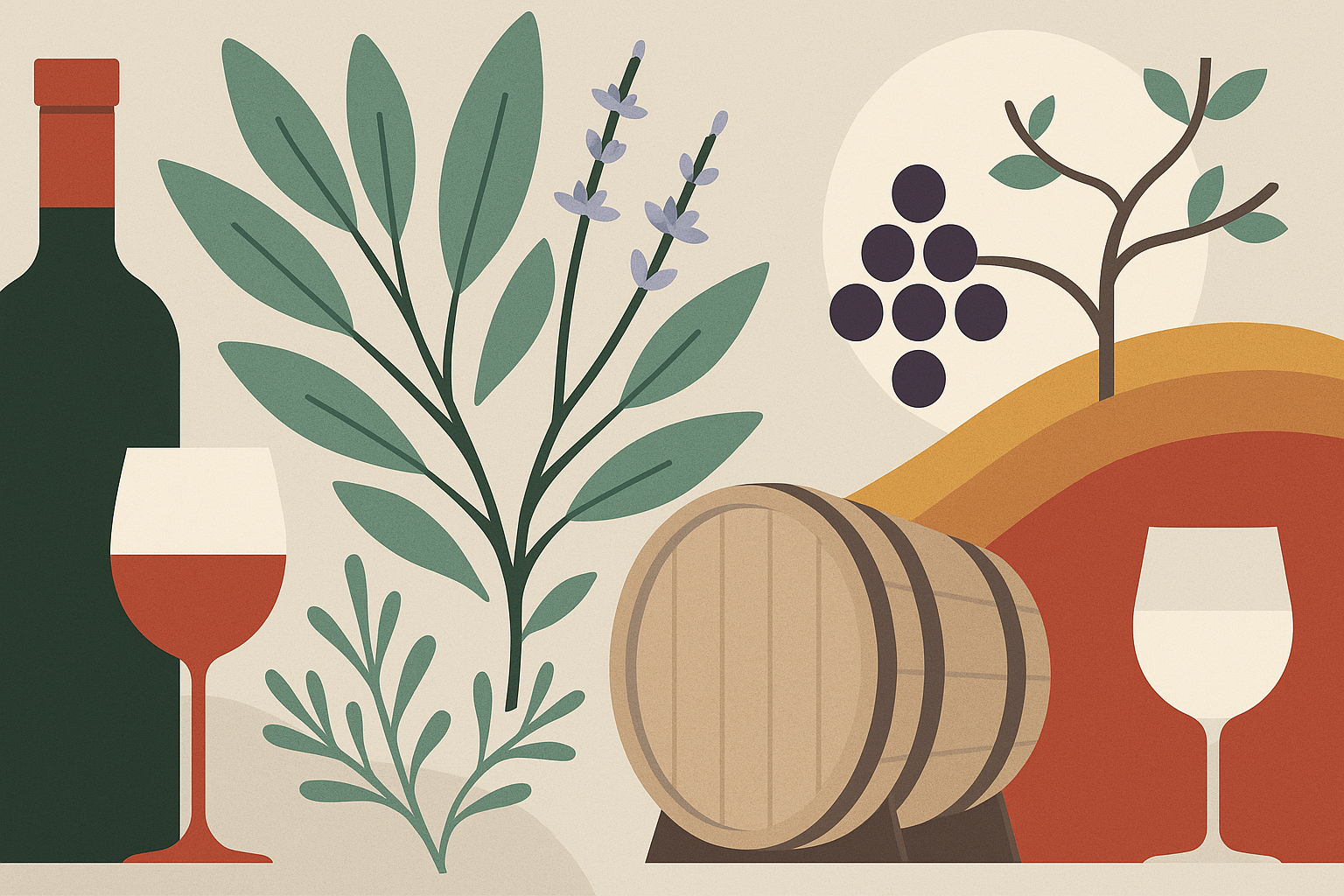
“It’s not a single note, but rather a chorus of aromatics including lavender, juniper, thyme, rosemary and sage.”
—Dr. Vinny, Wine Spectator
That chorus is classic Mediterranean scrub growing in limestone-rich soils near the coast. In summer heat, those plants kick out aromatic oils. The idea—part poetry, part plausible chemistry—is that those scents settle on grape skins and reappear in the glass. It’s why tasters reach for garrigue when Rhône and Provence wines give off those distinctly savory, sunbaked herb tones.
Key Takeaways
- Key themes: garrigue, Provence, Southern Rhône—stay informed on these evolving trends.
- The takeaway? Keep exploring, keep tasting, and don’t be afraid to try something new.
Style snapshot: grapes, regions, and what it tastes like
Think Grenache, Syrah, and Mourvèdre—GSM blends—and their Provençal neighbors like Cinsault and Carignan. In the Southern Rhône (Côtes du Rhône, Gigondas, Châteauneuf-du-Pape) and pockets of Provence (including Bandol and the broader Provence rosé zones), the climate and scrubland set the stage.
- Grape varieties: Grenache, Syrah, Mourvèdre (plus Cinsault/Carignan). Grenache leans red-fruited and spicy; Syrah adds pepper and structure; Mourvèdre brings darker fruit and gamey depth.
- Regions/appellations: Southern Rhône (Côtes du Rhône, Châteauneuf-du-Pape, Vacqueyras, Gigondas), Provence (Bandol reds/rosés), and also Languedoc neighbors.
- Style descriptors: Typically dry. Reds are medium to full-bodied with savory, herbal accents; Provence rosé is famously dry, bright, and mineral-leaning with a subtle herbal edge.
Best occasion: Mediterranean fare nights, backyard grilling, or cool evenings when you want a red that smells like a hillside hike.
Best pairing direction: Lean into herb-driven dishes—roasted lamb, grilled vegetables with rosemary, olive tapenade, or tomato-based stews. For rosé, think Niçoise salad, bouillabaisse, or anything involving sunshine and a patio.
Context: why the term travels (and why that’s OK)
Here’s the twist Dr. Vinny highlights: although garrigue belongs to the Mediterranean landscape, the word has gone globetrotting in tasting notes. Tasters use it as shorthand for savory, herbal, slightly earthy aromas wherever they find them. As she puts it, describing wines from other parts of the world that show minty, sage, or thyme-like notes is “perfectly OK.” The important nuance: you’re borrowing a reference point, not claiming your Sonoma GSM was rolled in Provençal shrubbery.
Common knowledge says garrigue is tied to Southern France’s scrublands; in practice, the descriptor has become a sensory metaphor. If you hike California chaparral and catch sagebrush and bay laurel in the air, that mental file can feel a lot like Provence garrigue. So when a Paso Robles Grenache or McLaren Vale GSM kicks out savory herbs, “garrigue” paints a precise picture for seasoned tasters.
That said, keep it honest. If you’re not familiar with the term, call what you smell: mint, thyme, sage, rosemary, juniper. As Dr. Vinny notes, our tasting language flexes between specific and broad. Wine is a memory sport as much as a beverage.
Buying smarter: how to spot garrigue-driven bottles
Want that hillside-herb energy in your glass? A few practical cues:
- Look for GSM blends from the Southern Rhône (Côtes du Rhône, Vacqueyras, Gigondas, Châteauneuf-du-Pape). Producers often spotlight savory, herbal complexity.
- Provence and Bandol: dry rosés with a saline, herbal thread; Bandol reds (Mourvèdre-led) skew darker, meaty, and thyme-kissed.
- Languedoc bargains: similar climate, similar scrub. Carignan- or Grenache-heavy blends can offer garrigue vibes at friendlier prices.
- New World analogs: Paso Robles, Santa Barbara County, and parts of Australia’s McLaren Vale and Barossa can echo those notes in warmer vintages.
Remember, garrigue isn’t a guarantee of flavor—it’s a descriptor for aroma and impression. The wines remain dry, with body and fruit profiles set by grape varieties and site. The herbal piece is the savory ribbon tying it together.
My take: embrace garrigue as a helpful signpost, not a strict address. If a label reads Grenache/Syrah/Mourvèdre from a sunny, breezy place with rocky soils, there’s a decent chance you’ll get that savory lift. If it’s Pinot Noir from a cool, forested zone, you might encounter earth and spice, but “garrigue” will feel like the wrong outfit for the occasion.
Bottom line: use the word if it helps you communicate. Or don’t. As Dr. Vinny says, “That’s OK, too.” Either way, you’re chasing the same delicious destination—wines that smell like the outdoors on a warm, herb-scented day. Surf’s up for your senses.