
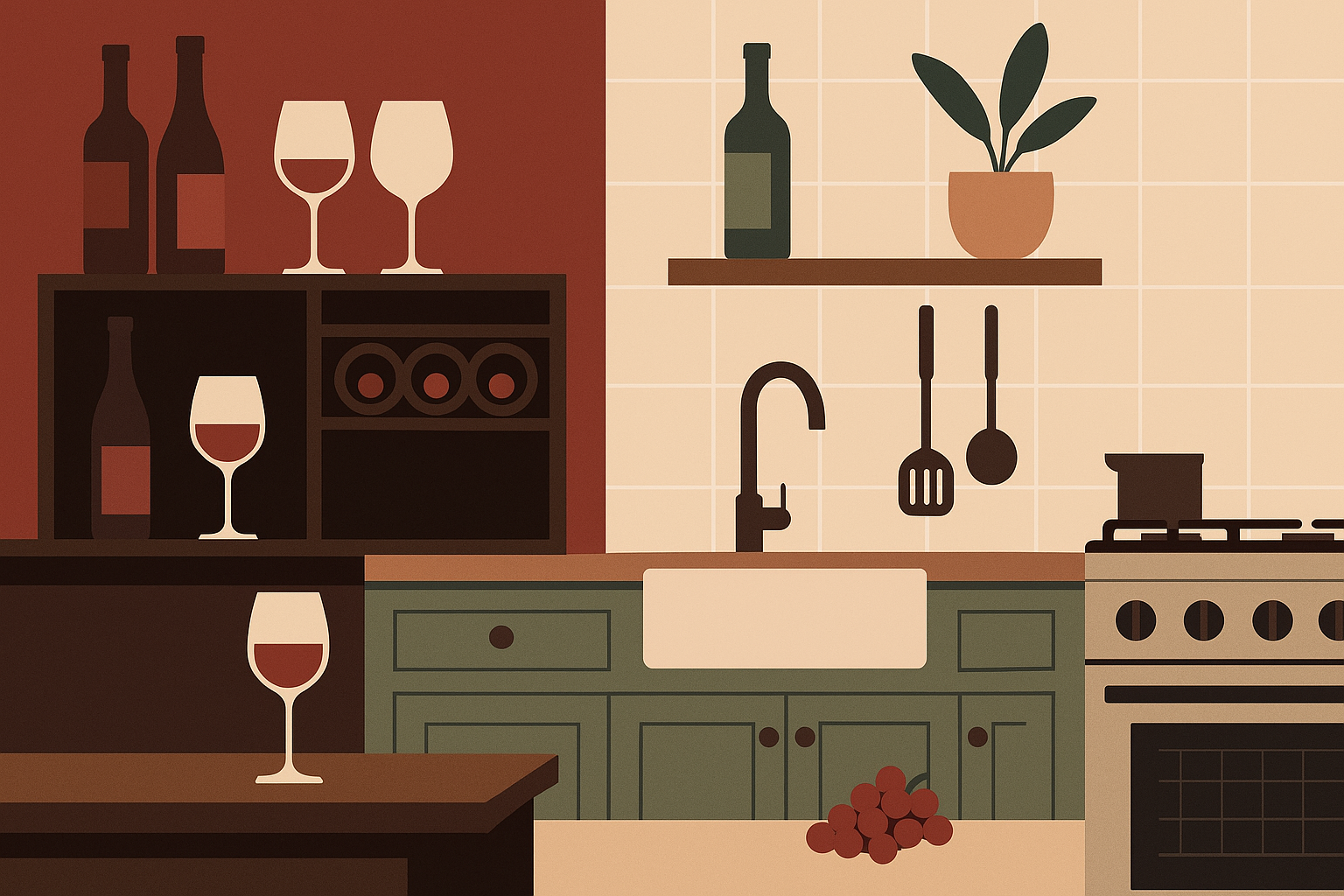

When chef-restaurateurs design at home, you expect a little more than a pretty backsplash and a corkscrew that lives in the junk drawer. In Wine Spectator, Hilary Sims spotlights Michael Schulson and Nina Tinari—of Schulson Collective’s 14 restaurants, including Izakaya in Atlantic City—who took their new historic home and built a kitchen and bar meant to actually work. As Sims puts it, they “needed a hardworking home kitchen.” — Hilary Sims, Wine Spectator.
Why This Matters
Behind every great bottle is a story, and this one matters. It reflects broader trends shaping how wine is made, sold, and enjoyed. Stay curious—your palate will thank you.
That phrase—hardworking—hits the sweet spot. The duo didn’t just chase vibes; they built a system. And if you want your home wine setup to feel less decorative and more delicious, their approach offers a blueprint.
First up: proximity and flow. For a kitchen that serves and a bar that shines, keep the pour zone close to the prep zone. No marathon sprints from oven to ice bucket. A tight triangle—cooktop, sink, bar—lets you plate, pop, and pour without losing heat or rhythm. Think mise en place meets magnum of Barolo.
Storage is where many home bars wobble. Heat and light are the enemy—like paddling into a closeout set when you know better. Park bottles away from the range and windows; use a dual-zone cooler if you can, or a temp-stable cabinet if you can’t. Soft LED (not UV-heavy) lighting shows off labels without cooking what’s inside. And skip those above-range racks—romantic, sure, but your Bordeaux doesn’t need steam therapy.
Organization is your silent sommelier. Segment everyday drinkers from age-worthy bottles. Label shelves by region or style. Keep a decanter, reliable opener, stoppers, and a small drip tray within reach. If your corkscrew still hides under the potato masher, it’s time for an intervention. Professional kitchens rely on stations; your home bar should too.
Glassware deserves a home of its own. Stems stored near the bar minimize clinks and catastrophes. If space is tight, a slim rail shelf or shallow cabinet keeps things accessible without dominating the room. And yes, one good universal stem will cover 80% of your life—save specialty glasses for when you’re feeling fancy or the bottle demands it.
Materials matter—especially in a historic home where character is currency. Stone counters shrug off rings, wood adds warmth, and matte metals keep the shine classy. Schulson and Tinari didn’t ditch style for utility; they blended both. As Sims notes, “They created a stylish space and a bar to house their wine collection.” — Hilary Sims, Wine Spectator. That balance is the point: let the bones of the house speak while your bar quietly does its job.
Entertaining? Build a runway. A small landing zone for hors d’oeuvres, a dedicated ice nook, and a discreet dump sink will make you look like you’ve done this before (because you have). Consider a low-profile speed rack for bitters and bar tools—functional, clean, and easy to tuck away when the party shifts to dessert.
On a budget? You don’t need a chef’s salary to get chef-level function. Modular shelving, an undercounter 20–30 bottle fridge, and a compact rolling cart can transform a corner into a proper pour station. Your wine wants consistency more than square footage. Keep it cool, keep it organized, keep it close to where the cooking happens.
The bigger lesson in Sims’ piece isn’t about renovation flex. It’s about intention. Schulson and Tinari know how a room moves—because they live in the dance of service every night. Bringing that logic home turns a “bar area” into a living part of the house: a place that catches you after work, fuels a dinner party, and makes Tuesday pasta feel like an occasion.
If you’re tuning your own space, start with honest questions: Where do we open bottles? Where do we plate food? What gets used every week vs. once a year? Answer those, then design for the life you actually lead. The good news? When your setup works, your wines taste better—not because they changed, but because you did.
Props to Sims for giving us a peek at pros doing it right, and to Schulson and Tinari for proving that a “hardworking” home can also be deeply beautiful. Build for flow, protect your bottles, and let style ride shotgun. The rest is just corks and conversation.
Key Takeaways
- Key themes: home wine bar, wine storage, kitchen design—stay informed on these evolving trends.
- The takeaway? Keep exploring, keep tasting, and don’t be afraid to try something new.
Source: https://www.winespectator.com/articles/wine-and-design-schulson-tinari-new-historic-home