
Keeping a Family Legacy Alive at Château Beauséjour
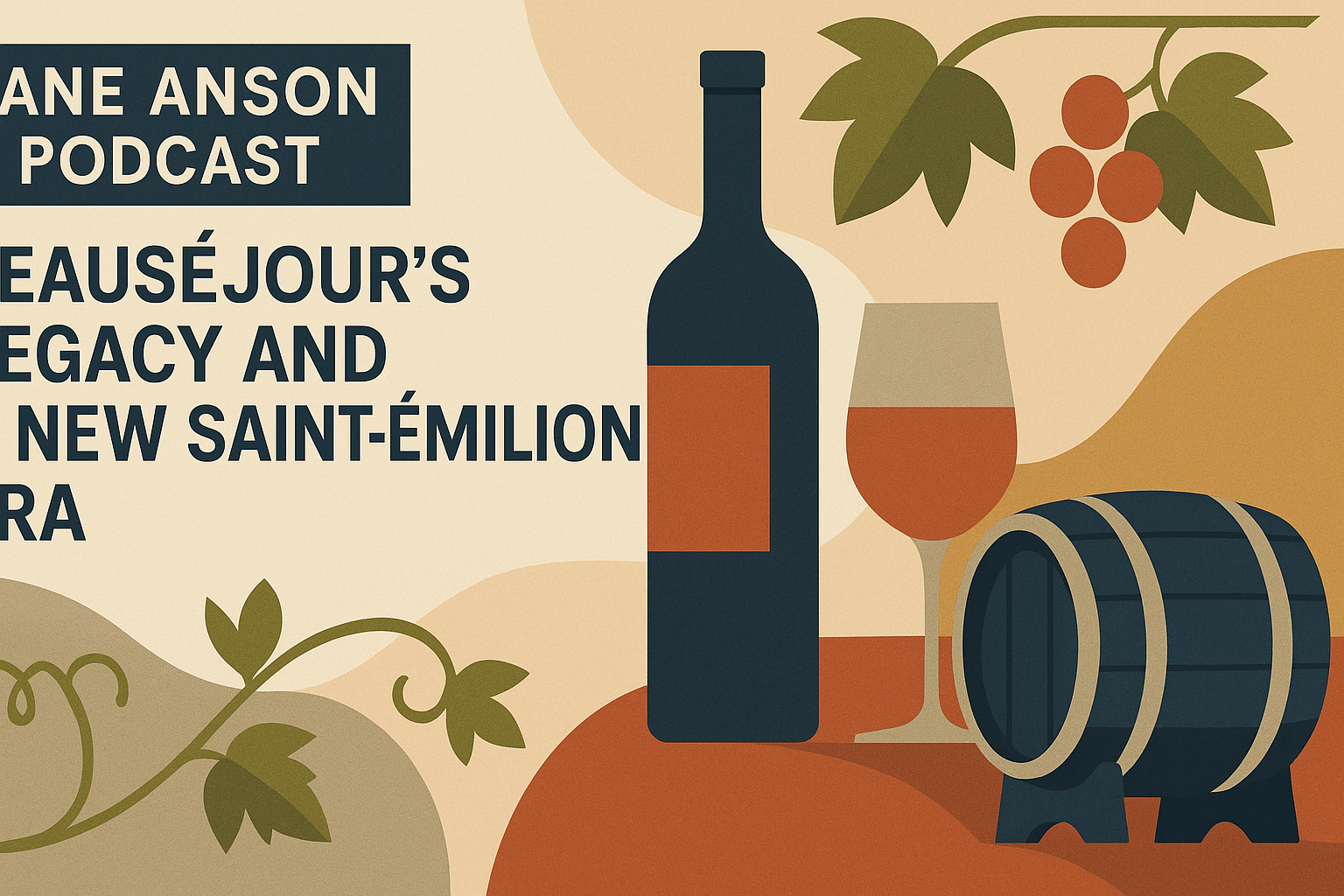
If you love Bordeaux stories with equal parts heart, hustle, and high-wire act, Jane Anson’s latest Wine Podcast episode delivers. Her guest, Josephine Duffau-Lagarrosse—ninth-generation at Saint-Émilion’s Château Beauséjour—talks candidly about steering a storied Right Bank estate through family dynamics, a pandemic, and a modern market that doesn’t exactly hand out free passes.
Why This Matters
Behind every great bottle is a story, and this one matters. It reflects broader trends shaping how wine is made, sold, and enjoyed. Stay curious—your palate will thank you.
“Step inside the world of Château Beauséjour.” — Jane Anson, Wine-Searcher
That invitation isn’t just PR fluff. It’s a look under the hood at how a heritage property adapts without losing its soul, and how a young leader builds a team (and a vision) to keep collectors—and the next generation—leaning in.
Key Takeaways
- Key themes: Saint-Émilion, Château Beauséjour, Jane Anson—stay informed on these evolving trends.
- The takeaway? Keep exploring, keep tasting, and don’t be afraid to try something new.
Style Snapshot: Saint‑Émilion DNA, Beauséjour Focus
Let’s zoom out for a quick style map. Saint‑Émilion leans Merlot-first with a strong Cabernet Franc presence, especially on limestone and clay. Expect dry, medium to full-bodied reds with structure and lift—think dark and red fruits wrapped in chalky finesse rather than brawny muscle. The limestone plateau that defines top sites gives that signature spine and aromatics, while Merlot supplies the flesh and charm.
Beauséjour sits firmly in that Right Bank sweet spot, and the podcast hints at sharpening the estate’s identity: smaller-scale precision, a consulting refresh, and a collector-minded north star without getting cute or chasing trends. The aim isn’t to reinvent Saint‑Émilion—it’s to express it with more clarity and confidence.
Old Vines, New Playbook
The episode tracks how Duffau-Lagarrosse fought to keep the estate in the family and then partnered with Prisca Courtin‑Clarins to solidify the next chapter. That’s not just a capital story; it’s about having the freedom to invest in the details that move the needle—vineyard decisions, cellar discipline, and the right people in the room. As Wine‑Searcher sums up, she “navigated high‑stakes business and family drama” and made “bold moves during Covid,” all while resetting for a future where precision drives desirability.
Here’s the tension that makes this compelling: Bordeaux has a reputation for inertia, especially at blue‑chip addresses. Yet Duffau‑Lagarrosse is pushing into a modern mindset while honoring the site. A fresh consulting team signals new eyes on classic terroir—not to rewrite the book, but to edit ruthlessly. My read: more definition, tighter framing, and a long game centered on ageworthiness and character, not flash.
Context: What Collectors Want (and Why This Matters)
Common wisdom says Right Bank greats succeed when Cabernet Franc is treated as a co‑author, not a footnote. It brings aromatic drive and tension that keeps Merlot’s plushness from feeling sleepy. Pair that with limestone and you’ve got the bones for longevity. The podcast’s emphasis on a “wine that collectors seek out” suggests dialing in that balance—cleaner lines, focused fruit, and tannins that feel disciplined rather than dominant.
There’s also a broader Bordeaux story here: generational change. The region’s most exciting chapters lately have come from heirs who respect tradition but aren’t afraid to tighten up farming, rethink extraction, and recalibrate oak. Duffau‑Lagarrosse’s global experience (called out in the episode) fits that pattern—learn widely, apply locally.
How to Approach the Wines
Consider Beauséjour and its neighbors as archetypes of Right Bank elegance: dry, structured reds that reward patience. If you’re collecting, you’re probably already thinking verticals and cellaring windows. If you’re just curious, taste across Saint‑Émilion to understand the spectrum: clay-rich, Merlot-led plushness on one side; limestone‑driven precision (with serious Cabernet Franc character) on the other. Beauséjour traditionally lives closer to the latter.
Best occasion: When you want a contemplative bottle that still plays nicely at the dinner table—celebratory meals, milestone nights, or a quiet flex for fellow wine nerds.
Best pairing direction: Keep it savory and earthy—roast lamb, herb‑rubbed steak, mushroom risotto, or aged hard cheeses. You’re matching structure and depth, not chasing sweetness or spice.
Final Takeaway
This episode isn’t just a feel‑good family saga. It’s a case study in modern stewardship: give heritage its due, then make it sing in today’s register. Duffau‑Lagarrosse and Courtin‑Clarins are clearly betting on detail, discipline, and a style that collectors recognize on the nose and the ledger. If you care about the future of Saint‑Émilion, keep Beauséjour on your radar—this chapter feels less like a pivot and more like a sharpening.