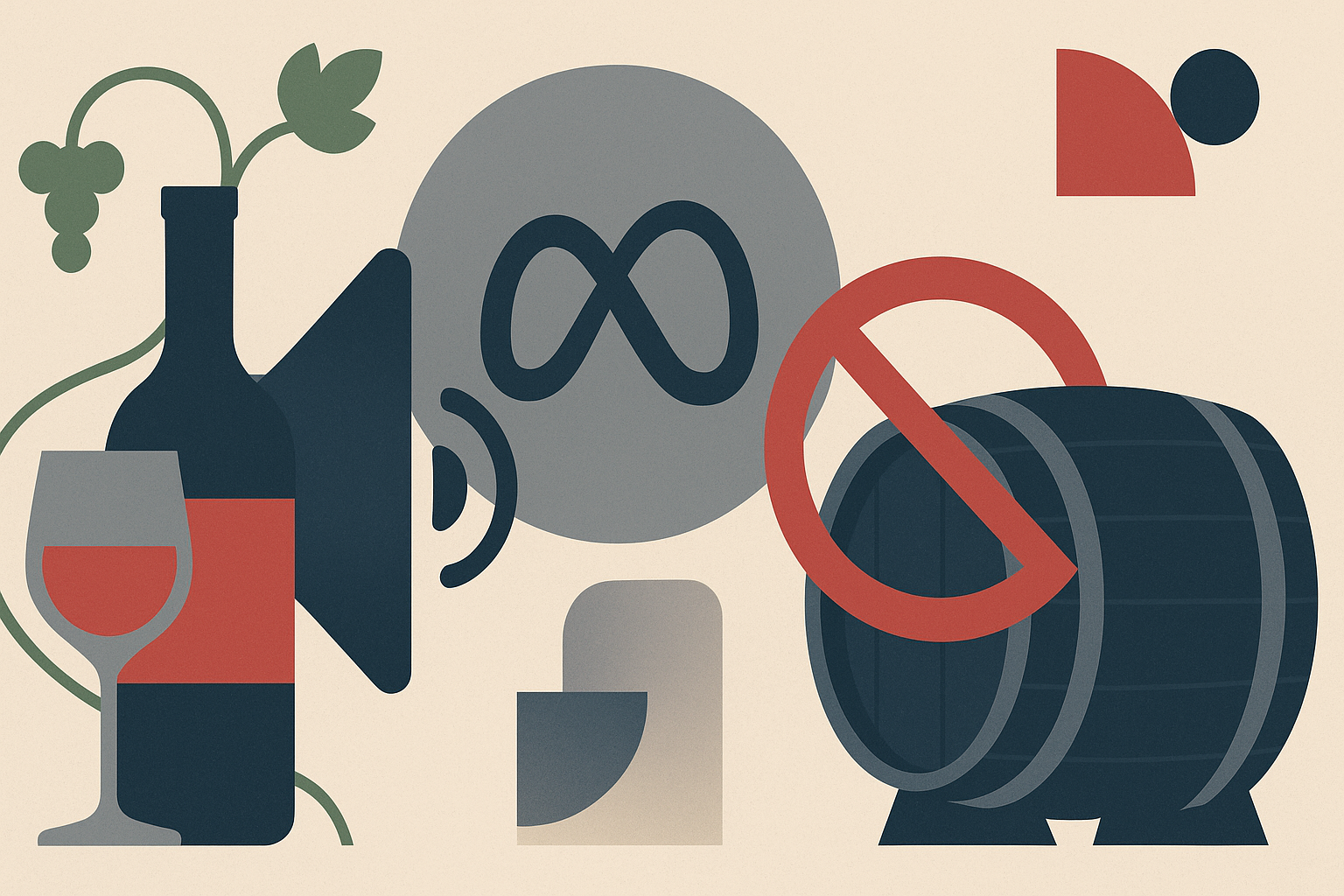

If your winery’s Facebook page suddenly feels like a ghost town, you’re not imagining things. As reported by Sean P. Sullivan at Northwest Wine Report, Meta quietly stopped recommending many wine, beer, and spirits business pages on Facebook—sending a chill through an industry already juggling soft demand and tighter budgets.
Why This Matters
The wine world moves fast, and this story captures a pivotal moment. Whether you’re a casual sipper or a dedicated collector, understanding these shifts helps you make smarter choices about what ends up in your glass.
Key Takeaways
- Key themes: Meta, Facebook, wine marketing—stay informed on these evolving trends.
- The takeaway? Keep exploring, keep tasting, and don’t be afraid to try something new.
Situation Snapshot
“Meta notified business owners that their pages would no longer be recommended.” —Sean P. Sullivan, Northwest Wine Report
The change appears widespread, touching wineries and retailers from Washington to California (and even a business in Denmark). Instagram seems unaffected so far, but for teams that count on Facebook’s recommendation engine for organic discovery, this is like pulling the ripcord mid-ski run. Making matters murkier, Meta’s messaging suggested pages “didn’t follow the rules,” but offered no clear path to appeal.
“Good news: no violations to show.” —Northwest Wine Report
Yes, that contradiction actually showed up for some users. If you’re confused, you’re in good company.
Why This Matters for Wine
For wineries, Facebook has long been the dependable workhorse: events, new releases, tasting room updates, club offers—reach came organically when your page was recommended. Now, if recommendations go dark, discoverability shrinks and you’re left paying to play (assuming ads stay allowed). As Sullivan notes, the “best case” is Meta fixes an error; the “worst case” means wine pages stop growing organically.
Also floated: regulatory pressure around promoting alcohol. Facebook’s been around for two decades, and alcohol rules longer, so it’s odd timing—but we’ve seen platforms tighten policies in waves before. The bigger theme: opaque algorithms can change overnight, and the vineyard you don’t own (your social audience) can be pruned without notice.
Immediate Steps Wineries Should Take
- Audit compliance basics. Age-gate your site, keep “21+” disclaimers on profiles, avoid youth-oriented content, and review Meta’s Community Standards. It’s hygiene, but it matters.
- Lean into Instagram—for now. If IG remains unaffected, double down on Reels and Stories. Cross-link your IG in newsletters and on your website.
- Capture more email—yesterday. Add prominent sign-ups online and in the tasting room. Offer a club preview, early access, or behind-the-scenes content for subscribers.
- Strengthen owned channels. Keep your website fresh, post news on your blog, and ensure your Google Business Profile is current with events, photos, and updates.
- Diversify your social mix. Consider YouTube Shorts, TikTok (policy-aware), and Pinterest for event visuals and giftable releases. Don’t let one platform be your oxygen.
- Test small paid campaigns cautiously. If ads are allowed, pilot narrowly targeted spends and monitor policy flags closely. Keep creative squeaky clean.
- Collaborate. Cross-promote with neighboring wineries, DTC partners, local tourism boards, and somm communities to borrow audiences while algorithms sort themselves out.
Longer-Term Strategy: Reduce Platform Dependence
Owning your audience beats renting it. Build content that travels—short videos, harvest diaries, winemaker Q&As—and host the “full story” on your site and newsletter. When platform rules zig, your owned channels stay steady.
Consider more IRL touchpoints: pop-ups, tasting room events, and partnerships with restaurants and retailers. Social can amplify those moments, but real-world experiences create stickier loyalty than any algorithm ever will.
What We Know (And Don’t)
“Our technology found your content doesn’t follow our Community Standards.” —Facebook notification via Northwest Wine Report
That line showed up for many affected pages—without specifics or working appeal links. Sullivan notes Meta did not respond to repeated press inquiries, and one Meta Verified user was told this may relate to new regulations. That claim remains unconfirmed.
In short: Instagram looks okay, Facebook recommendations look paused for a lot of alcohol-related pages, and transparency is… not the vibe.
My Take
I love a good algorithm tweak about as much as a corked bottle. Could this be a misfire that gets reversed? Sure. But if you rely on Facebook’s recommendations for growth, treat this as a wake-up call. Your best defense is a stronger mix: email, events, search-friendly content, and partnerships. If recommendations return, great—you’ll be more resilient. If they don’t, you’re already ahead.
Closing Takeaway
Best occasion: when your tasting room traffic depends on discoverability. Best pairing direction: combine email + IG + SEO, with a side of real-world events. If Meta fixes this, fantastic. If not, your strategy won’t be surfing on borrowed waves.