
Meta’s algorithm wobble hits wine: pages lose recommendations
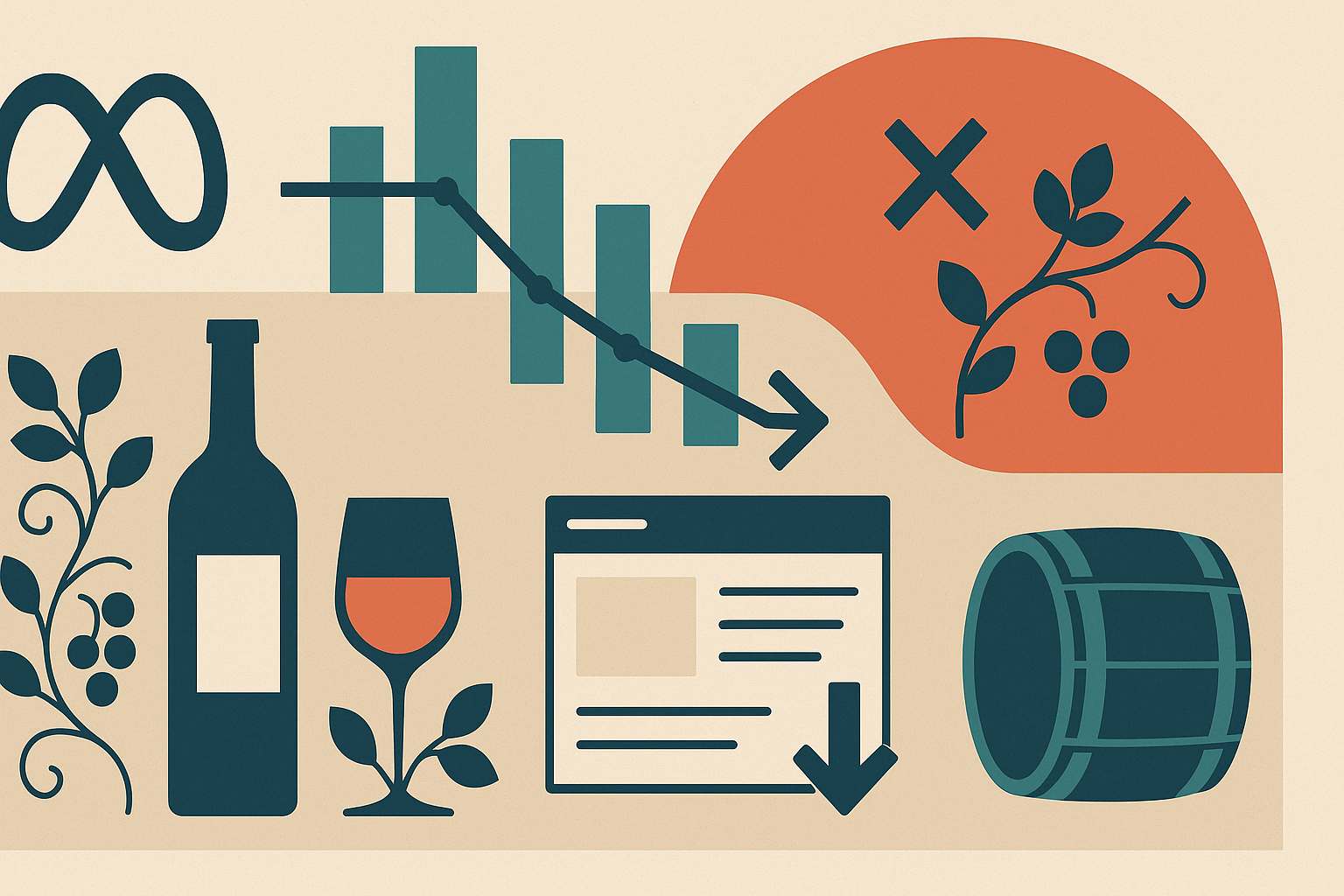
If your winery’s Facebook growth suddenly flatlined this week, you’re not alone. A wave of wine, beer, and spirits accounts were notified that their Facebook pages are no longer being recommended—effectively cutting off one of the platform’s core discovery rails. Northwest Wine Report’s Sean P. Sullivan dug into the pattern, and the timing is eyebrow-raising even by tech standards.
Why This Matters
This isn’t just another headline—it’s a signal of where the wine news is headed. Paying attention now could save you money, introduce you to your next favorite bottle, or simply make you the most interesting person at your next dinner party.
Key Takeaways
- Key themes: Meta, Facebook, Instagram—stay informed on these evolving trends.
- The takeaway? Keep exploring, keep tasting, and don’t be afraid to try something new.
What changed for wine pages?
Facebook appears to have flipped a switch—intentionally or not—flagging content across regulated and non‑regulated categories. The common message: recommendation eligibility suspended due to Community Standards. As Sullivan reports, “A support agent said it was a ‘bug’ affecting ‘millions’.” (Sean P. Sullivan, Northwest Wine Report)
That’s a big claim. And if true, Meta hasn’t proactively told affected businesses, leaving wineries, breweries, distilleries, and related media scrambling to interpret what happened and what to do next. The notification itself framed the decision as automated: “Our technology found your content doesn’t follow our Community Standards.” (via Northwest Wine Report)
To add to the weirdness, millions of Instagram users reportedly received password reset emails around the same window—linked to a 2024 API issue. Per the article, Instagram said there was “no breach of our systems,” but the coincidence is hard to ignore.
Why it matters for wineries and wine media
Recommendation eligibility is how Facebook surfaces your page to non-followers. Remove that, and organic discovery plummets. For new wineries or small brands, that’s brutal—think trying to paddle into a set with a dinged board and no leash.
For alcohol business accounts, the underlying policy landscape hasn’t visibly changed—Facebook’s Restricted Goods and Services and ad rules for Alcohol look the same. But per Sullivan, recommendation eligibility lives under Terms of Service, which Meta can adjust at any time. Translation: the rulebook is whatever the platform says it is today.
What you should do right now
- Check your status: Head to your Facebook Page → Professional Dashboard → Page Status → Page Recommendation. If you’re affected, it will say “Your recommendations are suspended.” (Northwest Wine Report)
- Age gate review: Ensure your page and storefront are restricted to 21+ where applicable. Some pages reportedly saw under-18 access re-enabled without owners requesting it—double-check your settings.
- Document everything: Screenshots, dates, and any support threads (especially if you’re Meta Verified). If you’re told it’s a bug, keep that receipt.
- Diversify discovery: Lean harder on email, your website SEO, and other channels while Facebook is wobbly. Instagram and TikTok still deliver reach—just mind compliance.
- Adjust content cadence: Prioritize posts that foster engagement with existing followers. Recommendation loss doesn’t kill your current audience; it kills new exposure.
Context: is this a bug or policy shift?
That’s the million-bottle question. Sullivan notes the possibility ranges from a genuine bug sweeping up “millions” of pages to an algorithmic tightening that disproportionately touches alcohol-adjacent content and other categories. Meta has not responded to repeated requests for comment, which… doesn’t help.
It’s worth remembering that platform AI moderation can cast wide nets—especially around regulated topics. Even if alcohol policies didn’t change, the thresholds for recommendation eligibility might have. The result looks like collateral damage in the recommendation layer, not a ban on alcohol content per se.
My take, from the cellar to the server
Wine businesses have long surfed the fine line between storytelling and compliance online. If this is a bug, it’s a rough reminder to build resilience off-platform. If it’s policy tightening, expect stricter defaults on age gating, language around sales/shipments, and potentially reduced organic reach for anything that looks like promotion versus education.
Practically, keep your playbook clean: disclaimers, responsible consumption notes, age restrictions, and minimal direct sales language on organic posts. For education-forward pages—somms, schools, media—clarity that no sales occur on the page can help with automated filters.
Best occasion: When you’re auditing your digital house—ideally before release season.
Best pairing direction: Crisp, high-acid whites or rosé; keep the palate fresh while you triage. Save the bold reds for victory laps when recommendations return.
Bottom line: watch your dashboards, capture evidence, and don’t panic. Organic discovery comes and goes on social, but your audience—and your story—travels well beyond any single platform.
—
Quotes and reporting by Sean P. Sullivan, Northwest Wine Report.