
Meta’s Facebook shake-up rattles wine: What it means now
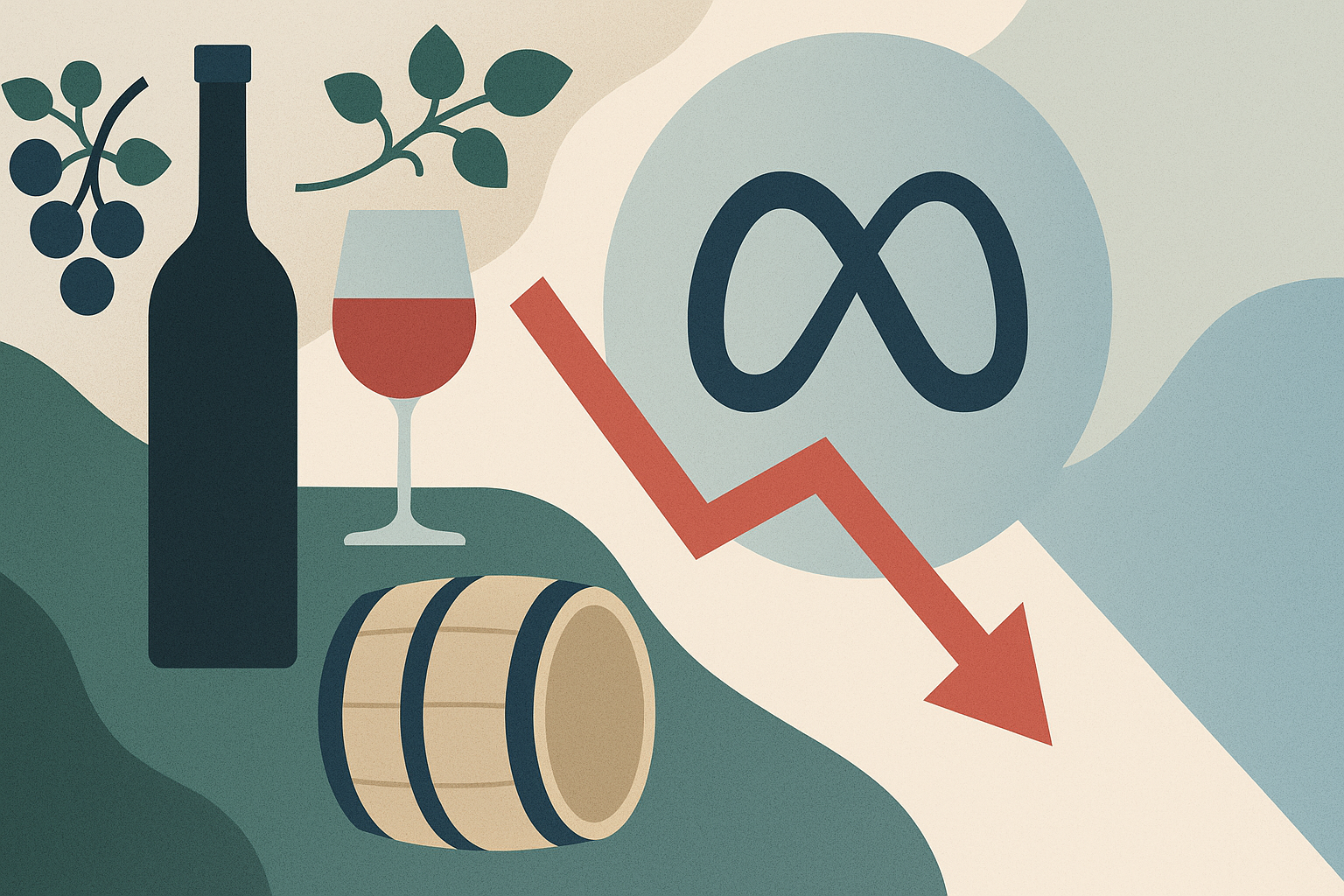
If your winery’s Facebook page suddenly feels like it caught an algorithmic riptide, you’re not alone. Meta notified alcohol-adjacent businesses—wineries, retailers, breweries, distilleries—that their pages will no longer be recommended on Facebook. That’s the discovery reported by Sean P. Sullivan at Northwest Wine Report, and it’s already pinching organic reach (and patience). Instagram appears untouched for now, but many wine businesses still lean heavily on Facebook recommendations for traffic.
Why This Matters
This isn’t just another headline—it’s a signal of where the wine news is headed. Paying attention now could save you money, introduce you to your next favorite bottle, or simply make you the most interesting person at your next dinner party.
Key Takeaways
- Key themes: Meta, Facebook, Wine Industry—stay informed on these evolving trends.
- The takeaway? Keep exploring, keep tasting, and don’t be afraid to try something new.
What changed—and why it’s messy
The notices landed via email and in-app alerts, claiming pages “didn’t follow the rules” and violated Community Standards. Then the follow-through fell apart. As Sullivan notes, links to request review went nowhere. One succinct user experience: “[I] clicked links, tried to find instructions, nothing,” reported one page owner (via Northwest Wine Report).
To add spice (not the good kind), some owners saw a contradictory status: “Good news: no violations to show.” Meanwhile, recommendations were still suspended. And this gem from Facebook’s notice: “Our technology found your content doesn’t follow our Community Standards.” (Via Northwest Wine Report.) The vibe: algorithm says no, human help desk missing.
There’s speculation about regulatory pressure in multiple countries, but Meta hasn’t offered clarity. Facebook’s longstanding guidance restricts promotion of certain regulated categories (tobacco, vaping, adult products, some pharmaceuticals), yet alcohol pages have coexisted with that policy for years. Is this a misfire? A quiet policy expansion? Or a new enforcement pattern? Sullivan’s takeaway is sobering: in the worst-case scenario, alcohol-related pages may need to pay to play for discovery—and that’s assuming ads remain allowed.
Why wine businesses should care
Organic discovery on Facebook still matters for tasting room foot traffic, DTC drops, club retention, and event attendance. Pulling recommendations kneecaps the casual, serendipitous reach that keeps smaller brands visible. And if this sticks, it’ll cut deeper into marketing budgets at a time when the wine industry is already navigating slower growth, shifting demographics, and a high-cost environment.
For wineries and shops, the practical impact is audience top-funnel shrinkage. Fewer recommendations mean fewer new eyeballs. The downstream effect: lower engagement, weaker retargeting pools, and higher paid social costs to recover the same outcomes. Classic platform move—flip the switch, and businesses either wait out the storm or pay for surf lessons.
What to do right now
Short-term triage, calmly:
- Document and screenshot everything: notices, analytics declines, contradictory “no violations” statuses.
- Attempt Meta Support pathways via Business Suite and Meta Verified if you have it; keep a time-stamped log.
- Shift discovery efforts to Instagram Reels, email capture, and search-friendly content (blog, YouTube Shorts). Repurpose tasting notes and vineyard updates where people still stumble onto you.
- Diversify ad testing: Instagram-only, YouTube, Google Performance Max, and retail media if applicable. Keep budgets nimble.
- Lean into owned channels: email, SMS, website pop-ups for club interest. Recommendations are fickle; your list is not.
For messaging, stick to value and community—tour dates, release stories, growing-season snapshots, quick education bits. The point is to build interest that doesn’t depend on the Facebook recommendation engine.
Context: what the industry knows
Alcohol is regulated everywhere, but social platforms have managed content around 21+ audiences for years. The wine playbook has been clear: responsible messaging, age gates, geographic targeting, and compliance with the platform’s ad policies. If Meta is tightening organic recommendations for alcohol beyond ads, the strategy shifts from discovery to intentional search and owned audiences. It’s not pretty, but it’s survivable.
Sullivan underscores the stakes: if recommendations disappear, “these businesses will no longer see organic growth” and may need to “pay to advertise to do so” (Northwest Wine Report). For the multi-billion-dollar wine economy, especially smaller producers, that’s more squeeze with less juice.
Best occasion + pairing
Best occasion: Team huddle before spring release, while you recalibrate your playbook.
Best pairing direction: Fresh, high-acid whites or sparkling (think Sauvignon Blanc or dry Prosecco) with salty snacks. Crisp, bright, and morale-friendly.
Final sip: Platforms change; your brand’s story doesn’t. Control what you can—your lists, your content, your community—and keep paddling until the algorithm figures out which way is shore.