
New, Neutral, or No Oak? How White Wines Find Their Balance
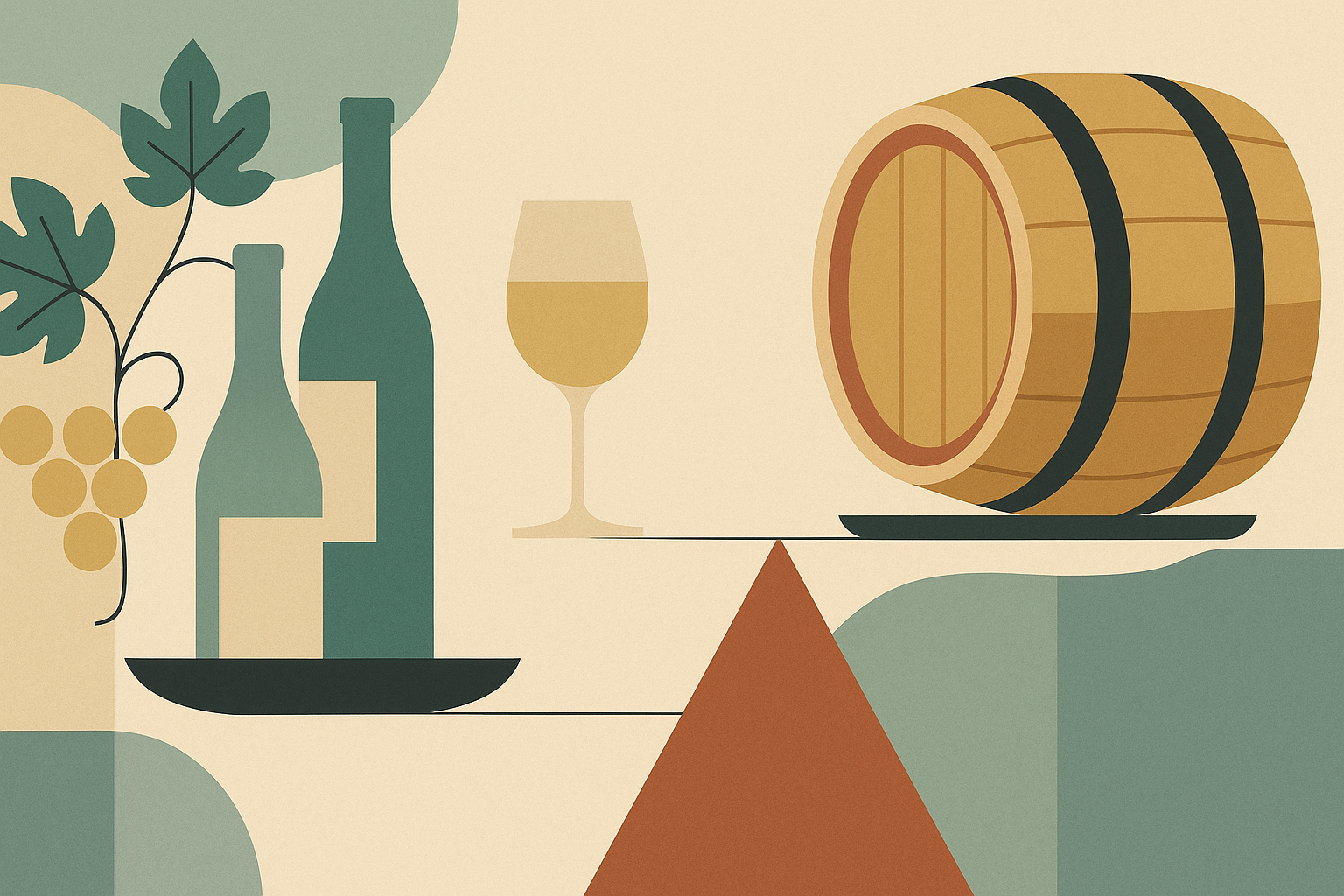
Choosing a white wine by oak style is a little like picking a surfboard: the right shape can totally change your ride. Some whites glide crisp and fast; others carve a creamier line. Dr. Vinny at Wine Spectator just laid out a clean guide to how vessels—new oak, neutral oak, or no oak—shape what you taste, and it’s the kind of practical wisdom that helps you buy smarter without needing a winemaking PhD.
Why This Matters
The wine world moves fast, and this story captures a pivotal moment. Whether you’re a casual sipper or a dedicated collector, understanding these shifts helps you make smarter choices about what ends up in your glass.
“New oak barrels are just what they sound like—brand new” —Dr. Vinny, Wine Spectator
That single detail is the gateway to flavor. New oak can add spice, vanilla, even a touch of cream soda. Neutral oak (barrels that have seen a few vintages) mostly influences texture, not flavor. And stainless steel? Think fruit-first and zippy acidity, no oak trimmings.
“The good news is that winemakers tend to be very transparent
Key Takeaways
- Key themes: oak aging, neutral oak, stainless steel fermentation—stay informed on these evolving trends.
- The takeaway? Keep exploring, keep tasting, and don’t be afraid to try something new.
Style Snapshot: No Oak vs. Neutral Oak vs. New Oak
No Oak (Stainless Steel)
- Typical grapes: Sauvignon Blanc, Pinot Grigio, Riesling, Albariño
- Style: Dry to off-dry; light to medium body; high, lively acidity
- Taste cues: Citrus, stone fruit, saline/mineral snap; zero vanilla or baking spice
- Regions to watch: Marlborough, Loire, Friuli, Alto Adige, Mosel, Rías Baixas
- Best occasion: Aperitif hour, beach picnic, sushi night
- Best pairing direction: Bright, acidic foods—ceviche, goat cheese, fresh herbs
Neutral Oak
- Typical grapes: Chardonnay, Chenin Blanc, Grüner Veltliner, some Sauvignon Blanc
- Style: Dry; light to medium body with a rounder mid-palate
- Taste cues: Smooth texture and softened edges without obvious oak flavors
- Regions to watch: California coastal AVAs, Mâconnais, South Africa (Chenin), Austria
- Best occasion: Long lunches, charcuterie boards, weeknight roast chicken
- Best pairing direction: Mild cheeses, roast poultry, simple pastas—foods that like texture more than spice
New Oak
- Typical grapes: Chardonnay, Viognier (plus some fuller-bodied blends)
- Style: Dry; medium to full body; creamy texture; lower perceived acidity
- Taste cues: Vanilla, toast, baking spice, sometimes coconut; richer, more opulent palate
- Regions to watch: White Burgundy (traditional styles), California and Australian Chardonnay
- Best occasion: Cozy dinners, holiday spreads, the “I want something plush” mood
- Best pairing direction: Butter-friendly dishes, roasted lobster or chicken, cream sauces
Context: Why Winemakers Mix It Up
Dr. Vinny notes that used barrels aren’t flavor bombs, but they still matter: neutral wood allows a whisper of oxygen to interact with wine, rounding angles without adding oak spice. Stainless steel keeps it laser-bright. That’s why many modern whites blend components from different vessels for nuance.
“The good news is that winemakers tend to be very transparent” —Dr. Vinny, Wine Spectator
Translation: if you’re curious how a wine was aged, check the producer’s tech sheet. Many list the percent new oak versus neutral oak or steel. Bonus tip—new barrels are pricey, so neutral oak can also help keep bottle prices friendly.
Trend-wise, even traditional oak lovers are dialing it back. Dr. Vinny points out that a lot of California and Australian Chardonnay is leaning fresher these days—earlier picking, lighter toast levels, and less new oak. Burgundy’s benchmark styles still often see new oak, but the best versions balance richness with energy. Viognier fans can still find those plush, perfumed, gently toasty examples, while Sauvignon Blanc, Pinot Grigio, Riesling, and Albariño typically stay on the stainless side of life.
How to Shop: Quick Cues That Actually Work
- Read the back label or tech sheet: Look for phrases like “stainless steel fermented,” “neutral barrels,” or “30% new French oak.”
- Grape stereotypes (useful, not immutable): Sauvignon Blanc and Albariño are usually unoaked; Viognier and classic California/white Burgundy Chardonnay often see some new oak; Riesling ranges widely but skews unoaked.
- Texture tells: If the wine feels round and creamy with vanilla or toast on the nose, you’re likely in new-oak territory. If it’s smooth but spice-free, think neutral. If it’s all citrus and zip, that’s stainless steel talking.
- Dryness and body: Most of these styles are dry. Riesling can be dry to off-dry. Body generally ramps up from stainless to neutral to new oak.
My take? Start with what you crave in the glass. If you want a clean, salt-spray finish (okay, surfer’s bias), go stainless Sauvignon Blanc from the Loire or Marlborough. If you want a little more glide without the vanilla-scented sauna, seek neutral-oak Chardonnay or Chenin. If it’s sweater-weather Chardonnay night, embrace a balanced new-oak style—white Burgundy for elegance, coastal California for sunshine-in-a-glass richness, and Australia for a modern, tighter spin.
Closing Takeaway
Oak isn’t good or bad—it’s a tool. Understanding the vessel helps you aim your buying: crisp and electric (no oak), supple and subtle (neutral), or plush and toasty (new oak). And remember, plenty of producers blend all three for complexity. When in doubt, don’t guess—look it up. As Dr. Vinny reminds us, producers are transparent and the clues are usually right there.
Source: https://www.winespectator.com/articles/which-white-wines-are-aged-in-oak-new-neutral