

New vs Neutral vs No Oak: How White Wines Build Texture & Flavor
If you’ve ever wondered why some white wines taste like buttered toast and others snap like a lime over crushed ice, welcome to the oak conversation. Dr. Vinny at Wine Spectator breaks down the vessels—new oak, neutral oak, and stainless steel—and why winemakers mix and match them for texture, freshness, and, yes, budget sanity.
Why This Matters
This isn’t just another headline—it’s a signal of where the wine news is headed. Paying attention now could save you money, introduce you to your next favorite bottle, or simply make you the most interesting person at your next dinner party.
“That small, controlled oxygen exposure can help soften a wine and round out its edges.” —Dr. Vinny, Wine Spectator
That single sentence sums up the case for neutral oak: it doesn’t perfume your Chardonnay with vanilla, but it does massage the mouthfeel. Let’s dive deeper, with an eye on what you’ll taste and when to reach for each style.
Key Takeaways
- Key themes: oak aging, white wine, Chardonnay—stay informed on these evolving trends.
- The takeaway? Keep exploring, keep tasting, and don’t be afraid to try something new.
Style Snapshot: Unoaked vs. Neutral vs. New Oak
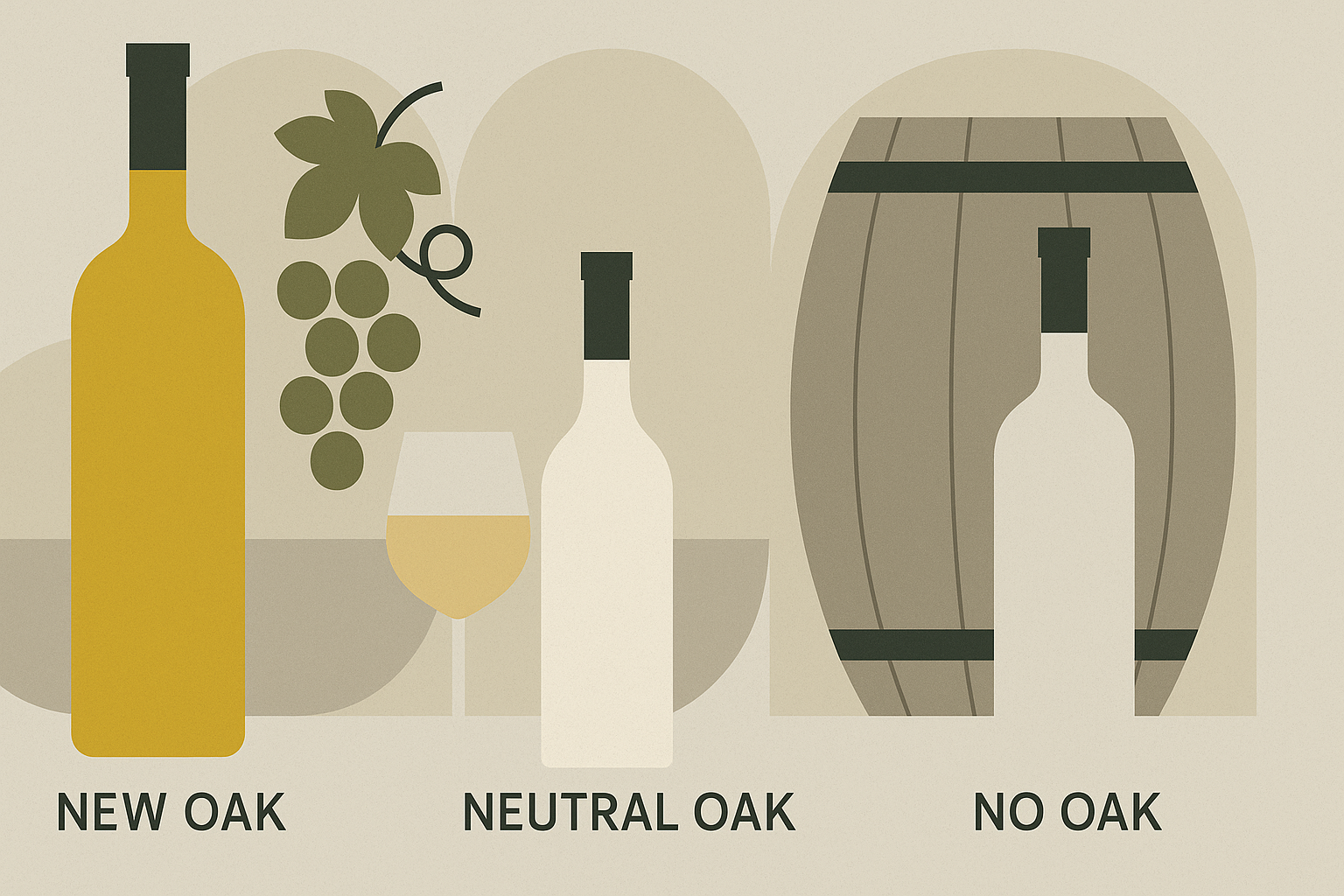
- No Oak (Stainless Steel): Expect bright fruit, crisp acidity, and a clean, linear profile. Most bottlings of Sauvignon Blanc, Pinot Grigio, Riesling, and Albariño lean here. As Dr. Vinny notes, “Wines like Pinot Grigio, Sauvignon Blanc, Riesling and Albariño often fit in this category.”
- Neutral Oak: Used barrels (typically 3–4+ years old) add subtle texture without wood flavors. You’ll get a rounder, silkier feel, but not overt spice or vanilla. Think medium body, dry, polished edges.
- New Oak: New barrels can contribute baking spice, cedar, coconut, vanilla, and a creamy feel. Many traditional styles of Chardonnay (California, Australia, and white Burgundy in France) and Viognier land here, often fuller-bodied and plush.
Context: Grapes, Regions, and Trends
Common knowledge: Chardonnay is the oak playground; Sauvignon Blanc is the stainless gym. Riesling usually favors purity and high acidity, while Albariño keeps its Atlantic zip by avoiding heavy wood. Viognier, on the other hand, is naturally heady—ripe stone fruit, floral lift—and can carry new oak gracefully when a winemaker wants depth and gloss.
Dr. Vinny adds nuance: winemakers often split a single white across vessels—some stainless for lift, some neutral for polish, a kiss of new oak for complexity—then blend. That’s how you get a wine that’s both energetic and layered. It’s also how modern California Chardonnay and classic white Burgundy maintain transparency while dialing down the toast. The big trend? Many producers are using less new oak, lighter toast levels, or larger formats to keep acidity vibrant and fruit more honest.
Regionally, Burgundy’s best whites (think Meursault or Puligny-Montrachet) have long used oak, but the best examples balance mineral drive with measured seasoning—not a lumber yard. In California, stylistic diversity is the headline: you’ll find everything from lean, citrus-laced, stainless expressions to barrel-fermented, lees-stirred, creamy crowd-pleasers. Australia’s top Chardonnay regions (like Margaret River) have also leaned into finesse—new oak as a frame, not a mask.
Here’s the buying intent cheat sheet: if you crave dry, zesty whites for oysters and sunset patios, look for “stainless steel” or “no oak” on tech sheets. If your palate likes medium-bodied, rounded texture without dessert-spice flavors, neutral oak is your friend. And if you want fuller-bodied, creamy whites with toast or baking spice tones, a wine aged in new oak (or partly aged in it) will likely hit the spot.
Best Occasion & Pairing Direction
Best occasion: Unoaked whites for beach days and ceviche vibes; neutral-oak whites for weeknight roast chicken and movie night; new-oak whites for dinner parties and lingering conversations.
Best pairing direction: No oak: raw bar, salads, citrusy seafood. Neutral oak: roast poultry, pasta with olive oil and herbs, soft cheeses. New oak: richer dishes—butter-poached lobster, creamy risotto, roasted mushrooms.
One more practical tip: winemakers are surprisingly transparent. As Dr. Vinny points out, check the winery’s product sheet—many list fermentation vessels, toast levels, and aging regimes. That’s your decoder ring for what’s in the glass.
Bottom line: oak isn’t a good-or-bad binary; it’s a tool. Stainless highlights fruit and acidity, neutral oak smooths the ride, and new oak brings spice and cream. Figure out your lane, then shop the grape and region accordingly. If you ever feel stuck, remember California and Burgundy offer a wide spectrum within Chardonnay alone—plenty of room to surf your own style.
Source: https://www.winespectator.com/articles/which-white-wines-are-aged-in-oak-new-neutral