
New vs. Neutral vs. No Oak: How White Wines Find Their Style
If you’ve ever found yourself torn between zippy Sauvignon Blanc and a creamy California Chardonnay, welcome to the oak conversation. It’s not just what the winemaker grew—it’s where that wine spent its downtime. Dr. Vinny over at Wine Spectator dropped a clean primer on the vessels behind your white wine’s personality, and it’s a must-read for anyone who’s ever wondered why some whites taste like citrus and others flirt with vanilla.
Why This Matters
This isn’t just another headline—it’s a signal of where the wine news is headed. Paying attention now could save you money, introduce you to your next favorite bottle, or simply make you the most interesting person at your next dinner party.
As Dr. Vinny neatly puts it, “New oak barrels are just what they sound like—brand new.” (Dr. Vinny, Wine Spectator) Those new barrels can add spice, vanilla, even a little coconut-cream-soda vibe. Neutral (used) barrels? They’re the texture magicians. Stainless steel? That’s Team Freshness all day.
Key Takeaways
- Key themes: white wine, oak aging, Chardonnay—stay informed on these evolving trends.
- The takeaway? Keep exploring, keep tasting, and don’t be afraid to try something new.
Style snapshot: what oak does to white wine
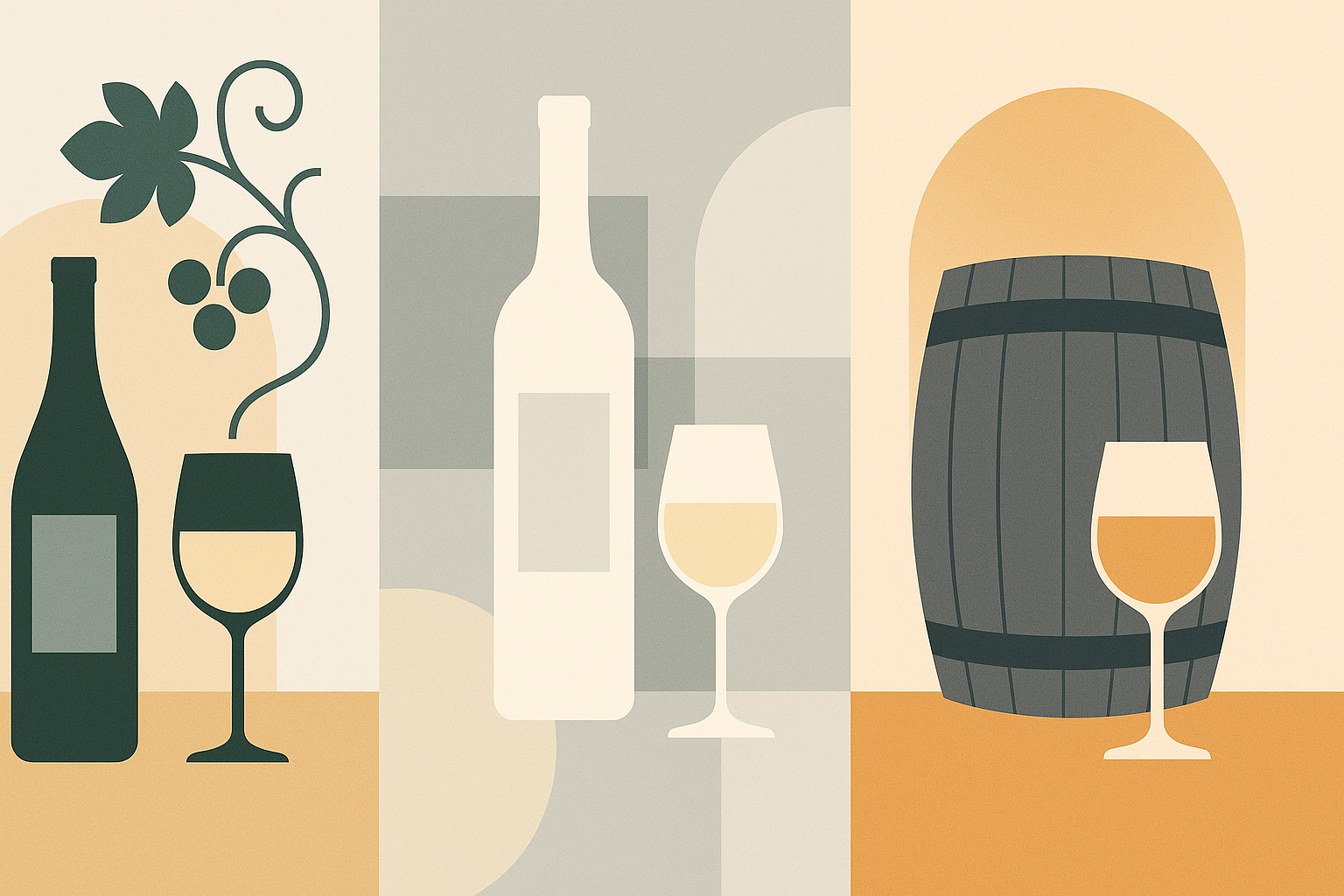
Here’s the fast-break on three common paths for white wine aging and what they often mean in your glass:
No oak (usually stainless steel or concrete): Expect bright fruit, high refreshment, and no bakery aromas. Think Sauvignon Blanc, Pinot Grigio/Gris, Riesling, and Albariño. These wines typically taste dry to off-dry, light-bodied to medium, and lean into citrus, green apple, stone fruit, flowers, and minerality rather than toast or vanilla.
Neutral oak (used barrels): The barrel’s flavor impact has faded, but micro-oxygenation still softens edges and rounds texture. As Dr. Vinny notes, “Neutral barrels can help improve the texture of a wine.” (Dr. Vinny, Wine Spectator) If you taste a rounder mouthfeel without the bakery spices, you’re probably in neutral-oak territory.
New oak: This is where richer textures, creamier midpalates, and toasty or vanilla notes show up. Viognier and Chardonnay—especially white Burgundy and traditional-style California bottlings—often see some new oak. These are usually dry, medium to full-bodied, and lean into toast, baking spice, and brioche alongside orchard fruit and citrus.
Context: grapes, regions, and modern trends
Common wisdom says crisp whites (Sauvignon Blanc from the Loire or New Zealand; Riesling from Germany; Albariño from Rías Baixas; Pinot Grigio from Italy) are typically made without oak to keep energy high and flavors crystalline. That lines up with Dr. Vinny’s guidance that wines which are “light, crisp, mouthwatering and vibrant” likely didn’t see new barrels.
On the flip side, Chardonnay is the great shape-shifter. In Burgundy (especially Meursault, Puligny, Chassagne), oak is part of the classic vocabulary—but the best producers often balance new and neutral barrels to keep transparency and tension. In California and Australia, the pendulum has swung toward freshness: less new oak, lighter toast levels, earlier picking. You’ll still find the butter-and-toast classics, but increasingly the goal is energy, not oak for oak’s sake.
Viognier sits nicely in the middle lane—aromatic and sometimes lush enough to handle a kiss of new oak without losing its apricot-and-blossom charm. And yes, there are outliers: stainless steel Chardonnay (think laser-focused and citrusy) and barrel-fermented Sauvignon Blanc (typically richer, more textural) keep things interesting. Winemakers also mix it up—blending components from stainless, new oak, and neutral oak for nuance, just as Dr. Vinny notes.
How to shop: label clues you can trust
Want to read a bottle like a pro?
- Look for terms like “stainless steel fermented,” “no oak,” or “unoaked” for crisp, linear styles.
- “Barrel fermented” often signals more texture and toast; check if it says “new French oak” or lists a percentage.
- “Aged in neutral oak” or “old barrels” usually means added roundness without strong oak flavor.
- Producer tech sheets are gold—Dr. Vinny points out many wineries “are very transparent” about vessels and percentages.
If the back label hints at “vanilla,” “baking spice,” or “toasty” character, expect some new oak. If it leans on “citrus,” “minerality,” and “crisp acidity,” you’re probably in the stainless/no-oak zone. When in doubt, check the winery website—most publish the details.
Best occasion + pairing direction
Best occasion: A side-by-side tasting at home—pour one stainless-aged white, one neutral-oak white, and one oaked Chardonnay to feel the difference with friends.
Best pairing direction: No-oak whites shine with raw bar, salads, and fresh goat cheese; neutral-oak bottles flatter roast vegetables and grilled fish; lightly new-oaked Chardonnay or Viognier loves roast chicken, creamy pastas, and richer sauces.
Bottom line: oak isn’t a yes/no question—it’s a dial. If you crave clarity and crunch, chase stainless. If you want glide without spice, reach for neutral oak. If you’re in the mood for toast and cream, new oak is your sunset sipper. Either way, you’re steering the board—you just need to know which wave you want to ride.
Source: https://www.winespectator.com/articles/which-white-wines-are-aged-in-oak-new-neutral