

New vs. Neutral vs. No Oak: How White Whites Find Their Style
If you’ve ever taken a sip of Chardonnay and thought, “Why does this one taste like toasted coconut while that one tastes like a lemon spritz?”—welcome to the oak conversation. Dr. Vinny at Wine Spectator just dropped a clean explainer on which white wines see new oak, neutral oak, or no oak at all, and why that matters for your glass.
Why This Matters
The wine world moves fast, and this story captures a pivotal moment. Whether you’re a casual sipper or a dedicated collector, understanding these shifts helps you make smarter choices about what ends up in your glass.
My quick take: oak is a seasoning, not the meal. The wood choice—new, neutral, or none—can tilt a wine toward creamy and rich or zippy and crystalline. And modern white wine trends are leaning fresher. But let’s break it down with a few surfable waves of context.
Key Takeaways
- Key themes: oak aging, white wine, Chardonnay—stay informed on these evolving trends.
- The takeaway? Keep exploring, keep tasting, and don’t be afraid to try something new.
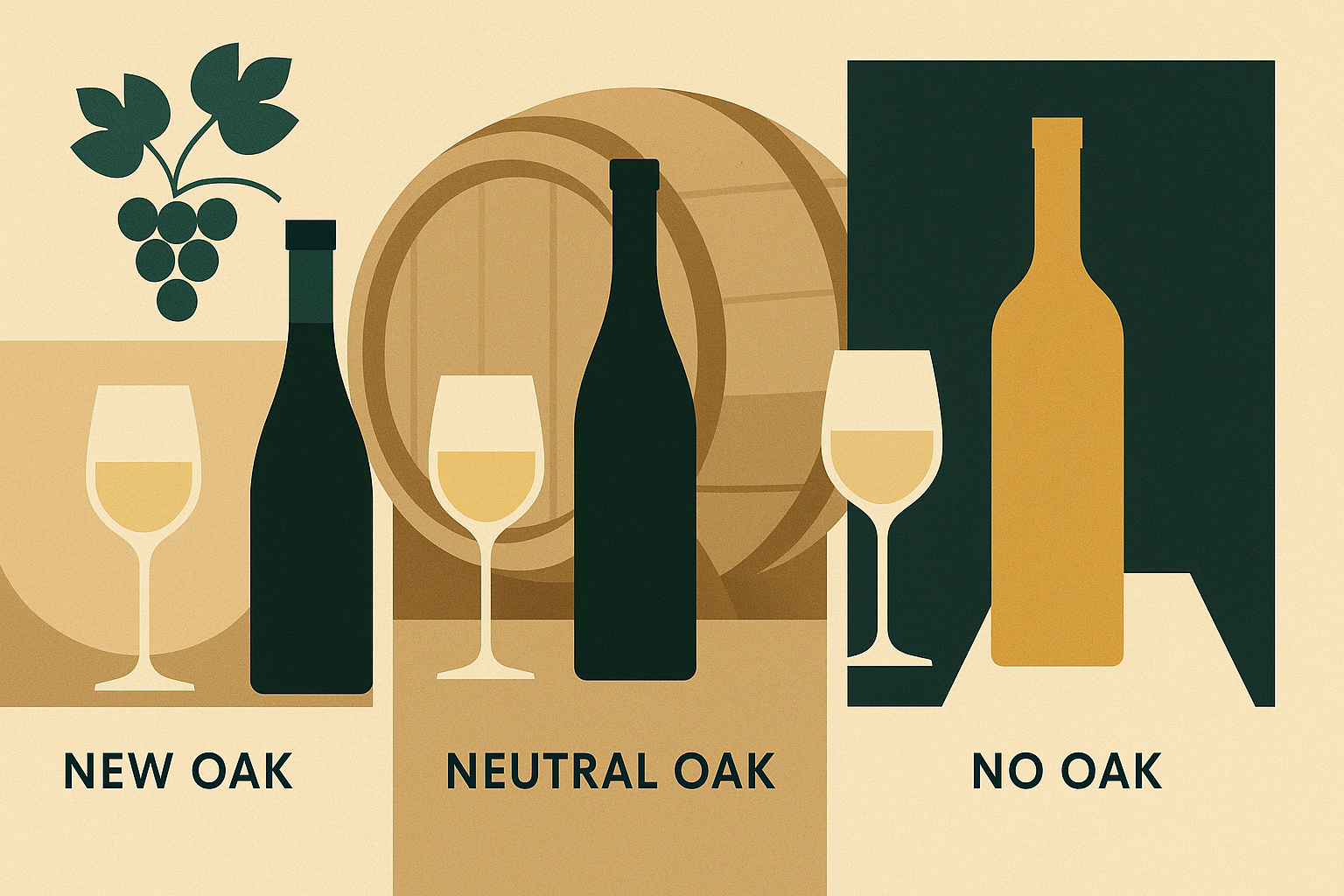
Style Snapshot: New, Neutral, or No Oak
New oak brings flavor. Think spice, vanilla, coconut, even a cream-soda vibe when used boldly. As Dr. Vinny puts it, “New oak barrels are just what they sound like—brand new.” —Dr. Vinny, Wine Spectator. Smaller barrels amplify that effect; bigger ones are subtler.
Neutral oak—older barrels—doesn’t add overt flavor, but it can polish texture thanks to tiny oxygen exchange. Or as Dr. Vinny notes, “That small, controlled oxygen exposure can help soften a wine.” —Dr. Vinny, Wine Spectator.
No oak—stainless steel (or concrete, cement, porcelain)—keeps things bright, highlighting fruit and acidity. It’s the fast track to crisp and refreshing.
Grapes & Regions: What Usually Goes Where
Here’s where common practice meets your palate:
- Sauvignon Blanc, Pinot Grigio, Riesling, Albariño: Often stainless or no new oak. Expect dry, light to medium body, high acidity, and citrus/green/apple vibes. Regions to watch: Marlborough, Friuli, Mosel, Rías Baixas.
- Chardonnay: The chameleon. White Burgundy (Burgundy, France) and traditional California styles often see some new oak, yielding a richer, creamier profile (still dry; medium to full body). But many modern California and Australian Chardonnays dial back new oak for more lift and transparency.
- Viognier: Frequently leans into texture and some new oak use, giving peachy, floral wines a plusher, toasty edge (still dry, medium body).
None of this is a hard rule—today’s winemakers mix and match. As the article points out, a single wine might blend components from stainless, new oak, and neutral oak for balance and complexity.
Context Check: Why Winemakers Choose What They Choose
Oak isn’t just flavor; it’s feel. New oak can add toast and spice, but it also broadens the mid-palate. Neutral oak skips the flavor but still rounds edges. Stainless keeps things taut and precise. There’s also a practical side—new barrels are pricey—so neutral oak can make economic and stylistic sense.
And because transparency is trending, many producers are harvesting a touch earlier and using less new oak to spotlight fruit and energy. That’s why you’re seeing more “fresh” California and Australian Chardonnays that still spent time in barrel—just not aggressively flavored ones.
How to Read the Clues (and the Label)
Short of tasting, here’s your cheat sheet:
- If a white is rich, creamy, and toasty, assume at least some new oak. Classic picks: traditional California Chardonnay; many white Burgundies; some Viognier.
- If it’s weighty but not vanilla-spiced—round texture, clean flavors—neutral oak may be in the mix.
- If it’s ultra-bright, linear, and citrusy with high acid, it probably avoided new oak altogether (stainless or concrete).
Pro tip from the source: many wineries publish tech sheets. Dr. Vinny notes producers “tend to be very transparent,” so check the winery website for oak regimen details by vintage.
Best Occasion & Pairing Direction
Best occasion:
- No oak whites: Aperitif hour, beach days, raw bar, Tuesday nights.
- Neutral oak whites: BYO dinners, mixed-palate gatherings, roast chicken parties.
- New oak whites: Holiday spreads, richer mains, cozy evenings when you want a little luxury.
Best pairing direction:
- No oak: Bright, acidic dishes—ceviche, salads, fresh cheeses, sushi.
- Neutral oak: Versatile with roast poultry, pork loin, creamy pastas without heavy smoke or spice.
- New oak: Butter-seared scallops, lobster, mushroom risotto, and dishes with a touch of cream or toast.
Closing Takeaway
Think of oak as a sliding scale. If you want zing, aim for stainless or “no new oak.” If you want glide without spice, look for neutral oak. If you want toast and cream, find producers who confidently use new barrels. And when in doubt, peek at the tech sheet—winemakers are telling you more than ever.
Source credit: Wine Spectator’s Dr. Vinny has the straight talk, including why oak choice matters and how modern styles are shifting toward freshness.
Source: https://www.winespectator.com/articles/which-white-wines-are-aged-in-oak-new-neutral