
New Year, New Wine Energy: 1WineDude Rings In 2026 on The Sipping Point
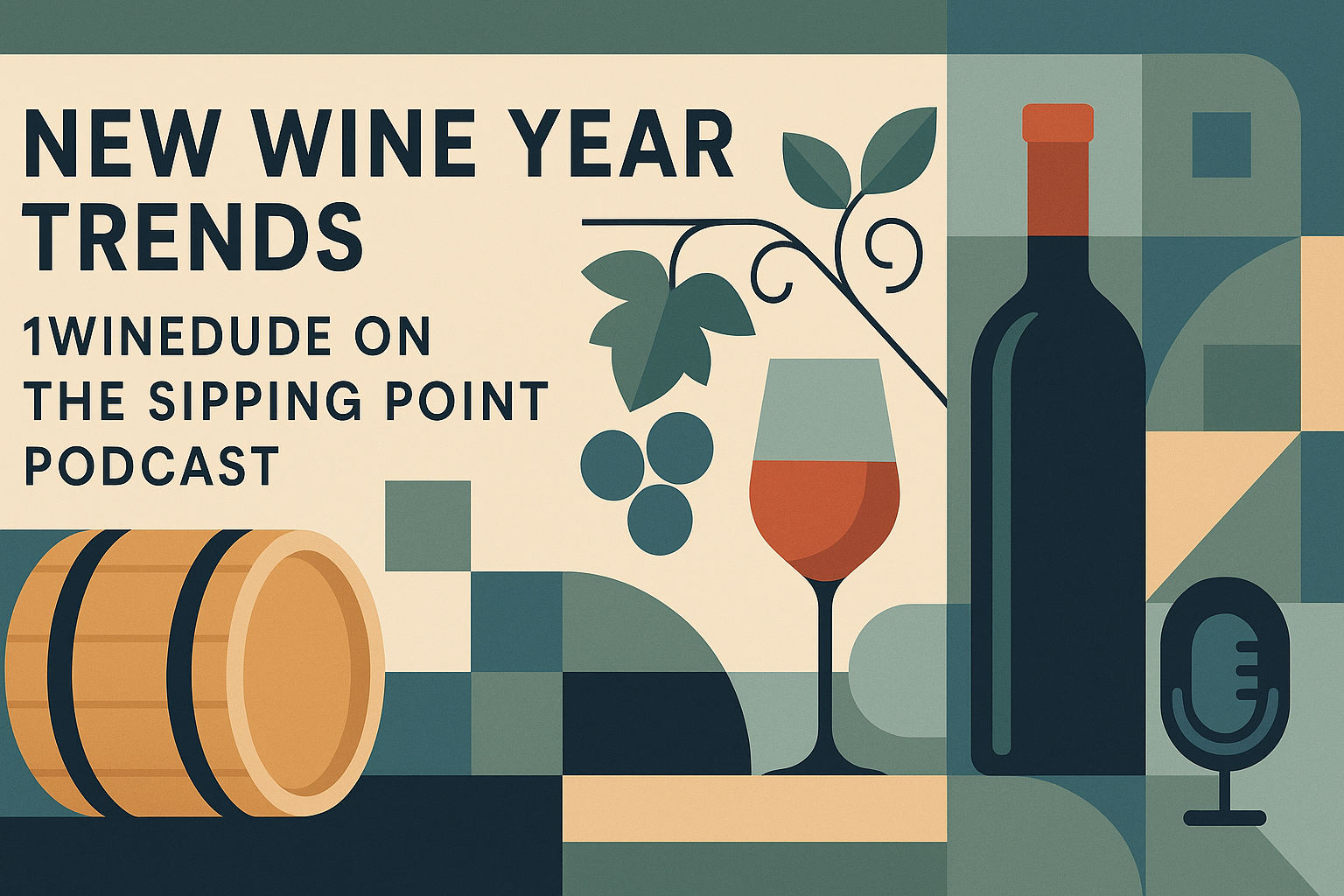
The calendar flipped, the corks popped, and 1WineDude—aka Joe Roberts—jumped back on Laurie Forster’s The Sipping Point podcast to talk hopes for the wine year ahead. In his post on 1 Wine Dude, he admits the reunion was a long time coming:
“It has been OVER A FREAKIN’ DECADE.” — 1WineDude, 1 Wine Dude
That’s a lot of vintages between mic drops.
Why This Matters
The wine world moves fast, and this story captures a pivotal moment. Whether you’re a casual sipper or a dedicated collector, understanding these shifts helps you make smarter choices about what ends up in your glass.
When a seasoned voice returns to a consumer-friendly show like The Sipping Point, it’s a good chance to recalibrate: what should we be sipping, buying, and paying attention to in 2026? I’m chiming in from California—where we care about our surf forecasts as much as our tannin levels—and offering context to help you navigate the new year.
Key Takeaways
- Key themes: wine trends 2026, The Sipping Point, 1WineDude—stay informed on these evolving trends.
- The takeaway? Keep exploring, keep tasting, and don’t be afraid to try something new.
Style Snapshot: What’s likely to resonate in 2026
– Dry sparkling stays hot. Brut styles (think Champagne-method and quality traditional method from California and beyond) keep winning for their food-friendliness and “celebrate any Tuesday” vibe.
– Medium-bodied reds are the comfort zone. Pinot Noir—classic in cool-climate regions like Burgundy and Willamette Valley—continues to offer red-fruited elegance without a palate workout.
– Crisp whites remain your weekday MVPs. Sauvignon Blanc (Marlborough, Loire, coastal California) delivers citrusy, herbal snap; Chardonnay—especially balanced, not-too-oaky styles from Sonoma Coast and Chablis—gives versatility from sushi to roast chicken.
– Aroma-driven and lighter styles earn new fans. Gamay, dry Riesling, and refreshing rosé (Provence still the benchmark) keep the pendulum swinging toward vibrancy over sheer power.
None of that is shocking, but good reminders as you make 2026 wine plans. Or as Joe put it in a very Joe way:
“HOLY. CRAP!” — 1WineDude, 1 Wine Dude
Translation: the new year’s energy is strong—lean in.
Context: What The Sipping Point brings to the table
Laurie Forster’s show thrives on approachable, real-world wine talk. Pair that with 1WineDude’s knack for making the nerdy digestible, and you get a refresh that’s perfect for anyone who wants more signal, less noise. Roberts also gave a shout to his book, How to WIN at Wine—which tracks. The best buyers in 2026 will be those who understand style (dry vs. sweet, light vs. full body), know a few reliable regions/appellations, and shop with intention rather than label hype.
Industry-wise, expect continued momentum behind sustainability and packaging. Lighter glass is becoming standard, and eco-smart options—from recycled cartons to keg wines—are earning shelf space. If your Cabernet Sauvignon (Napa remains a benchmark) shows up in a lighter bottle, don’t panic; weight isn’t quality. It’s just the industry finally cutting unnecessary emissions without compromising what’s in the glass.
Climate resilience is also shaping what we taste. Warmer seasons can push ripeness; the best producers are responding with canopy management, earlier picks, and site elevation. That’s why you’re seeing more freshness preserved in traditionally fuller-bodied styles and why regions like coastal California and high-altitude sites are increasingly prized.
How to buy smarter in 2026
– Start with style clarity. Prefer dry, zippy whites? Look for Sauvignon Blanc (Loire, Marlborough) or dry Riesling (Mosel, Clare Valley). Want medium-bodied, silky reds? Pinot Noir from the Sonoma Coast or Willamette is your home base.
– Keep an eye on trusted appellations. For bubbles: Champagne and California traditional method. For value reds: Beaujolais (Gamay). For whites: Chablis (Chardonnay, typically lean and mineral) and coastal California.
– Use podcasts like The Sipping Point as your bias-check. When experts debate hopes and predictions, you get both perspective and permission to try something new.
Best occasion: Kick off the new wine year with a casual tasting while listening to the episode—friends, snacks, no pretense.
Best pairing direction: Dry sparkling with salty snacks and seafood; Pinot Noir with roasted poultry and mushrooms; Sauvignon Blanc with fresh herbs and goat cheese. Keep it simple, keep it fun.
The bigger takeaway from Roberts’ post isn’t a list of hot picks—it’s the reminder that smart wine buying is a habit, not a one-off resolution. Get curious, taste across regions, and focus on balance over brawn. If you stick to producers who respect site and pick for freshness, you’ll be in the sweet spot (figuratively—your wines can stay dry).
And if you’re new to the show, subscribe to The Sipping Point. Wine should feel like a welcoming conversation—less gatekeeping, more glass-clinking. Sounds like a pretty solid way to start 2026.