
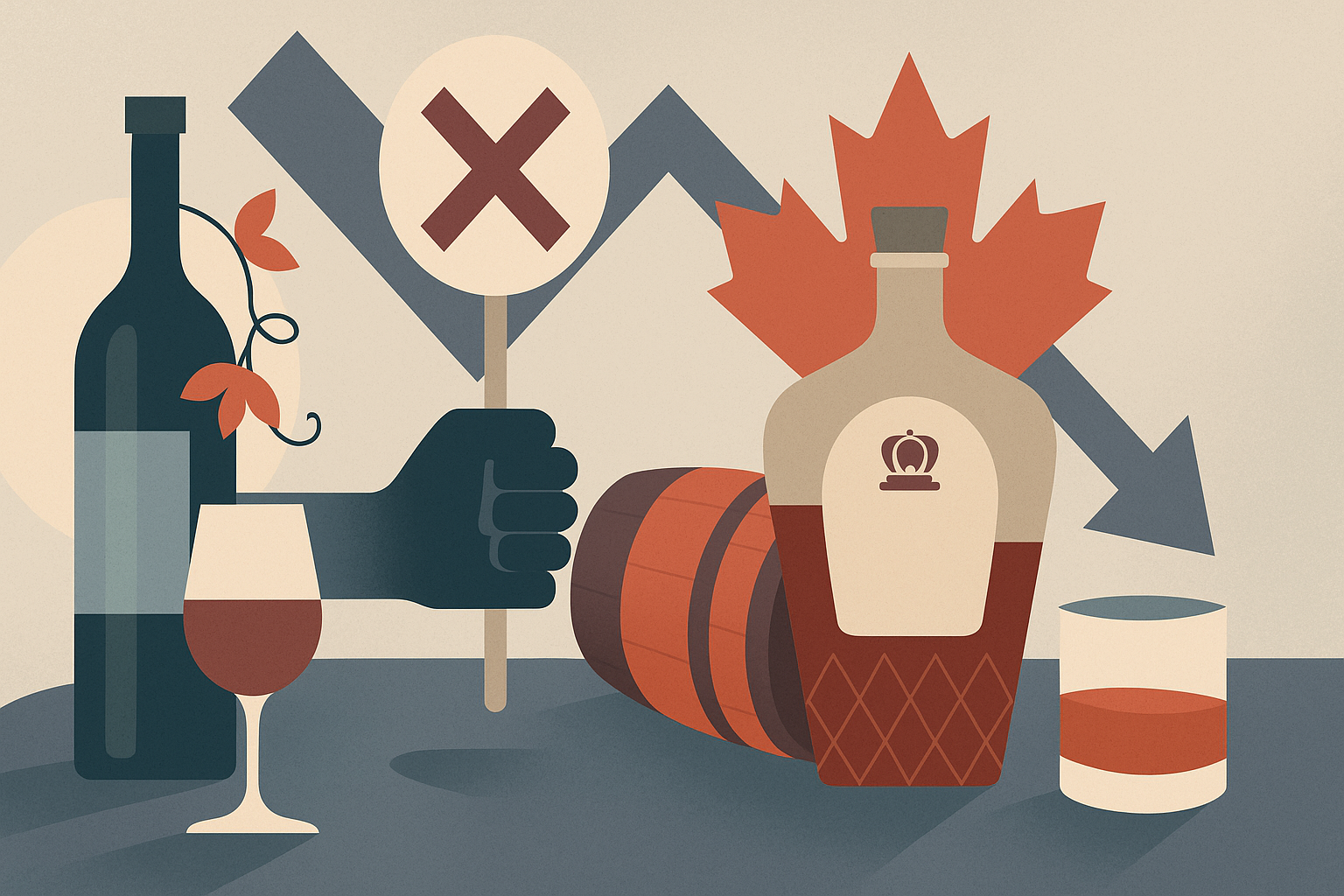

File this under: things you don’t expect to see when you pop into the LCBO for a bottle of Canadian comfort. Ontario just pulled Crown Royal off provincial shelves, and the reason isn’t flavor or quality—it’s politics. Diageo, the owner of Crown Royal, is closing an Ontario bottling plant and moving bottling for the U.S. market to Montgomery, Alabama. Cue Premier Doug Ford going full bouncer, telling Crown Royal they’re not on the list anymore.
Key Takeaways
- Price points mentioned range from $80 to $80, offering options for various budgets.
- Key themes: Crown Royal, Ontario, Diageo—stay informed on these evolving trends.
- The takeaway? Keep exploring, keep tasting, and don’t be afraid to try something new.
Why This Matters
This isn’t just another headline—it’s a signal of where the wine news is headed. Paying attention now could save you money, introduce you to your next favorite bottle, or simply make you the most interesting person at your next dinner party.
Here’s the kicker: Crown Royal isn’t abandoning Canada. The whisky—the actual juice—is staying as Canadian as a curling rink in February. As the company put it, “Crown Royal will be mashed, distilled, and aged in Canada, just as it has been since 1939,” a Diageo spokesperson told Wine-Searcher. Bottling for Canada and the rest of the world (outside the U.S.) will remain in Canada too. Ontario loses 100 bottling jobs, which stings, but the liquid’s origin story stays north of the border.
So why the shelf yank? In short: politics, optics, and a bit of inter-provincial theater. Canada’s alcohol ecosystem is famously fragmented—each province plays by its own rules, and cooperation isn’t exactly the house style. Wine-Searcher points out that Ontario’s LCBO can be weirdly cosmopolitan (Macedonia? Crete?) while still being a tough market for domestic cross-province wines. And when trade spats flare, the LCBO turns into a geopolitical stage. After U.S. tariffs on Canadian goods, most provinces slapped bans on U.S. liquor; seven of ten still have bans, including Ontario and Quebec. Translation: Ontario already has big backstock of American spirits, and now it’s pulling one of Canada’s best-known whiskies in a move that feels more symbolic than strategic.
Symbolism aside, demand doesn’t follow politics as neatly as press releases do. Crown Royal is the second-most popular spirit in Ontario, per LCBO figures, and it’s the fourth best-selling spirit in the U.S. at about 7.2 million cases annually, according to Wine-Searcher’s reporting. From a logistics perspective, adding a U.S. bottling site for a huge U.S. market makes sense—less border friction, faster distribution, fewer headaches. The Stanley Cup doesn’t live in Canada every year either; doesn’t mean hockey’s gone soft.
There’s also a macro story here the Premier seems to be surfing past: the spirits industry is tightening its belt. Brown-Forman cut 12 percent of its workforce last year, Diageo paused production at its George Dickel plant in Tennessee, bourbon output fell 28 percent in 2025, and Jim Beam paused production at its main Kentucky facility. Those aren’t Ontario stories, but they’re very much industry context. Bottling decisions follow demand and costs; they don’t always follow flags.
Meanwhile, Manitoba (where Crown Royal is produced) did something refreshingly practical: it offloaded its warehoused U.S. whiskey to eager customers, and nearly doubled expected sales on day one. Ontario, by contrast, is sitting on about $80 million of U.S. spirits stock, with some items expiring in months. You don’t need an MBA to see the opportunity to turn a political stalemate into charitable goodwill—or at least clean inventory.
For drinkers, what changes? If you’re in Ontario, you may have to reach for alternatives while the politics play out. Canada isn’t short on good rye and blended whisky, and yes, there are plenty of local brands worth exploring. But let’s be real: Crown Royal holds a particular spot on the bar cart—nostalgia meets everyday reliability. Pulling it from shelves because the U.S. gets a bottling plant feels more like a flex than a fix.
For the wine crowd (hey, that’s us), there’s a cautionary resonance: provincial control and trade posture can whiplash availability, pricing, and consumer choice—whether it’s bourbon or Beaujolais. When policy chases headlines, shelves get weird. And in the long run, that’s bad for producers, retailers, and the people who just want a solid pour after shoveling the driveway.
If there’s a silver lining, it’s clarity: Crown Royal’s Canadian identity isn’t changing. The mash, the distillation, the aging—still Canadian, still Manitoba. The bottling shuffle is a supply chain pivot, not a cultural betrayal. But if Ontario keeps playing gatekeeper, expect more lines in Manitoba and more frustration in Toronto.
My two cents? Sell the stock, cut the posture, and let consumers decide with their glasses. Because whether it’s a structured Pinot Noir or a silky Canadian whisky, the best politics happen in the nose and on the palate.
“Crown Royal will be mashed, distilled, and aged in Canada, just as it has been since 1939.” — Diageo spokesperson, via Wine-Searcher
Source: https://www.wine-searcher.com/m/2026/01/canadian-whisky-gets-political?rss=Y