
Quinta da Fonte Souto Alentejo Review: Fresh White and Red Blend
Portugal’s Alto Alentejo isn’t shy about sunshine. Yet at Quinta da Fonte Souto—Symington’s first property beyond the Douro—the story is altitude meets heat, and the wines keep their cool. The recent releases spotlight that balance: ripe, generous fruit held in check by mountain air and mature vines. As the original author puts it, “I love these wines.” — 1WineDude
Two bottles, both around $32, frame the style: a 2023 Branco (Arinto/Verdelho) and a 2020 Tinto (Alicante Bouschet–anchored blend). Both are textbook Alentejo in their sunny generosity, but the Portalegre high-elevation setting (around 500 meters) brings a lift you don’t always get this far south.
Style Snapshot
2023 Quinta da Fonte Souto Branco (Alentejo)
Dry, medium-bodied, vibrant acidity. Arinto and Verdelho are the white grapes you call when you want snap and perfume—Arinto’s famed acidity and Verdelho’s citrusy, stone-fruited charm. The source notes ripe citrus, stone fruit, dried flowers, and “hints of brioche,” plus that mineral thread the Serra de São Mamede often delivers. The team matured 60% on lees in 500-liter oak, with nine months in a mix of new/used French and European barrels and some stainless for balance. In the author’s words: “This white is a blend of hand-harvested Arinto and Verdelho.” — 1WineDude
Best occasion: Fresh seafood night or sunny patio hangs.
Best pairing direction: Bright, saline-friendly dishes—grilled shrimp, citrus-dressed salads, sushi. Keep it light and let the acidity sing.
2020 Quinta da Fonte Souto Tinto (Alentejo)
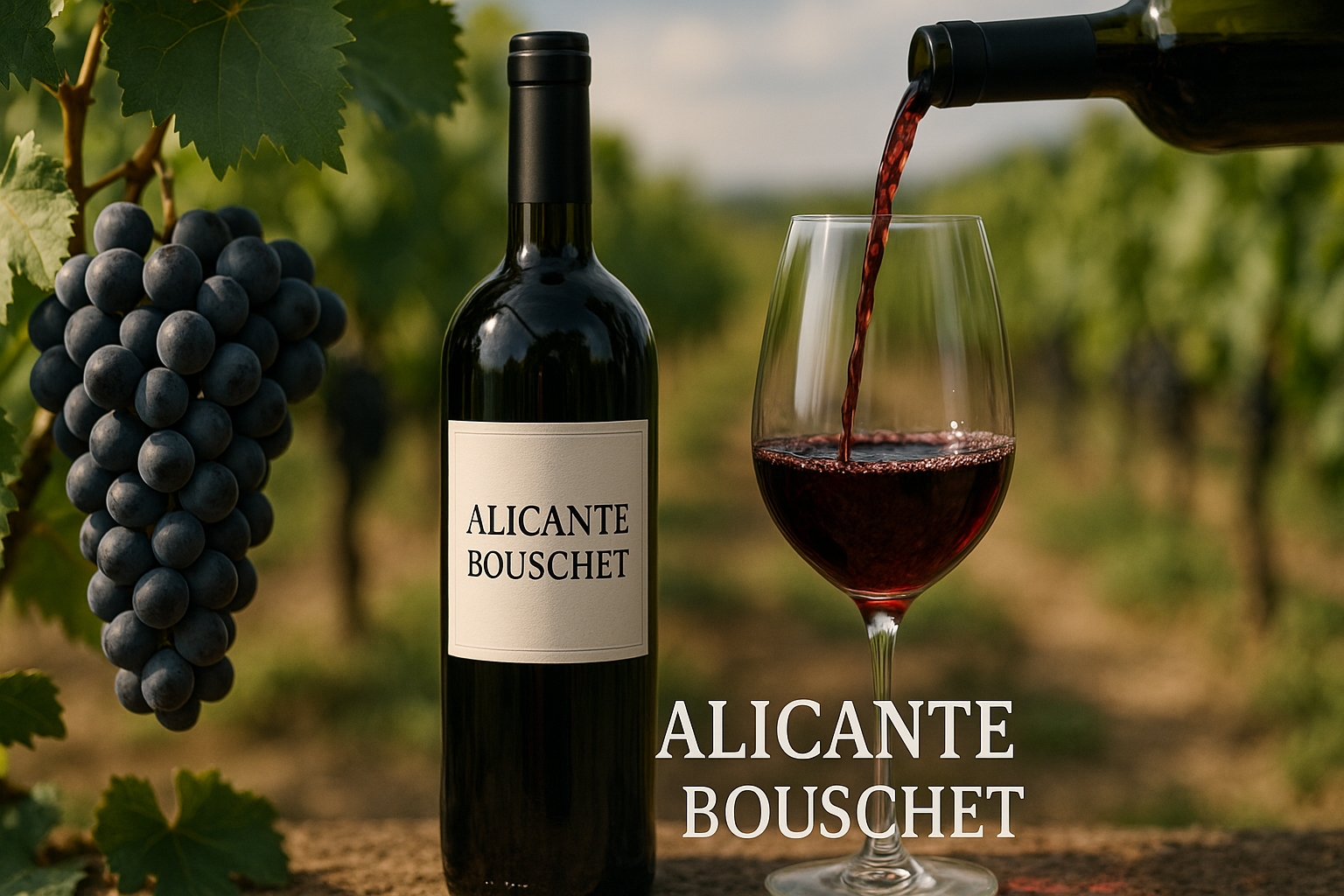
Dry, full-bodied, structured yet polished. The blend leans on Alicante Bouschet and Alfrocheiro, with Syrah and Touriga Nacional in supporting roles. Alicante Bouschet—Portugal’s teinturier grape—brings deep color and muscle; Alfrocheiro typically adds freshness and fine tannin; Touriga Nacional is your floral and structure friend; Syrah stitches it all with savory spice. The source calls out violets, fleshy plums, sea salt, leather, and those black-blue berries with a hint of game, aged partly in used French oak for eight months. As the review sums up: “It’s expressive and fruity, but well-framed on the palate.” — 1WineDude
Best occasion: Cozy dinner with a steak or a lamb chop, or the first backyard BBQ of spring.
Best pairing direction: Char and fat are your friends—grilled meats, roasted mushrooms, aged cheddar. Think savory and sturdy.
Why It Matters: Alto Alentejo’s Freshness Play
Alentejo is known for warm-climate richness—think generous fruit, plush textures, and easygoing charm. Portalegre, at altitude, tweaks the recipe. Cooler nights, longer hang time, and that elevated site deliver freshness and lift, which is exactly what winemakers chase in a warming world. The source even frames these wines as a high-elevation bellwether for climate resilience—a smart move that’s paying dividends in the glass.
Grape context matters here. Arinto’s zippy nature isn’t just a tasting note; it’s structural backbone for the Branco’s citrus and mineral push. Verdelho adds fruit width without weighing the wine down. On the red side, Alicante Bouschet’s deep pigment and firm core can dominate in hotter zones, but altitude and a judicious use of used French oak keep things sculpted rather than heavy. Touriga Nacional’s florals meet the violets noted by the author, while Alfrocheiro quietly lifts the mid-palate.
The source mentions early harvest in 2023 (for the Branco) and notes that 2020 (for the Tinto) was “the most difficult since their inaugural 2017 harvest.” Even in a tough year, the Tinto reads focused rather than fatigued—a sign of mature vines and smart farming paying off.
Bottom line: these aren’t shy wines, but they’re not sleepy either. Freshness is baked in, from the white’s citrus-and-brioche lean to the red’s savory, violet-tinged depth. If you want Alentejo fruit without losing the mountain breeze, Quinta da Fonte Souto is where you point your compass.
Closing Takeaway: If your buying intent leans toward expressive but balanced Portuguese wines, the Branco brings bright, mineral energy to seafood and salads, while the Tinto delivers a versatile, full-bodied partner for anything off the grill. Altitude for the win—and for the finish.
Source: https://www.1winedude.com/rectified-quinta-da-fonte-souto-recent-releases/