
Red Wines and Oak Aging: New vs Neutral vs No Oak Explained Clearly
If you’ve ever stared at a wine label wondering what “new oak” or “neutral oak” actually tastes like, good news—there’s a method to the barrel madness. In a recent Wine Spectator column, Dr. Vinny breaks down how oak aging shapes red wine style, from plush cabernets to chillable gamay. My take: oak isn’t a virtue on its own; it’s a tool. And like any good tool, it should make the wine better, not louder.
Why This Matters
The wine world moves fast, and this story captures a pivotal moment. Whether you’re a casual sipper or a dedicated collector, understanding these shifts helps you make smarter choices about what ends up in your glass.
“The most oaky wines will be bold and rich.” —Dr. Vinny, Wine Spectator
Key Takeaways
- Key themes: oak aging, red wine styles, Cabernet Sauvignon—stay informed on these evolving trends.
- The takeaway? Keep exploring, keep tasting, and don’t be afraid to try something new.
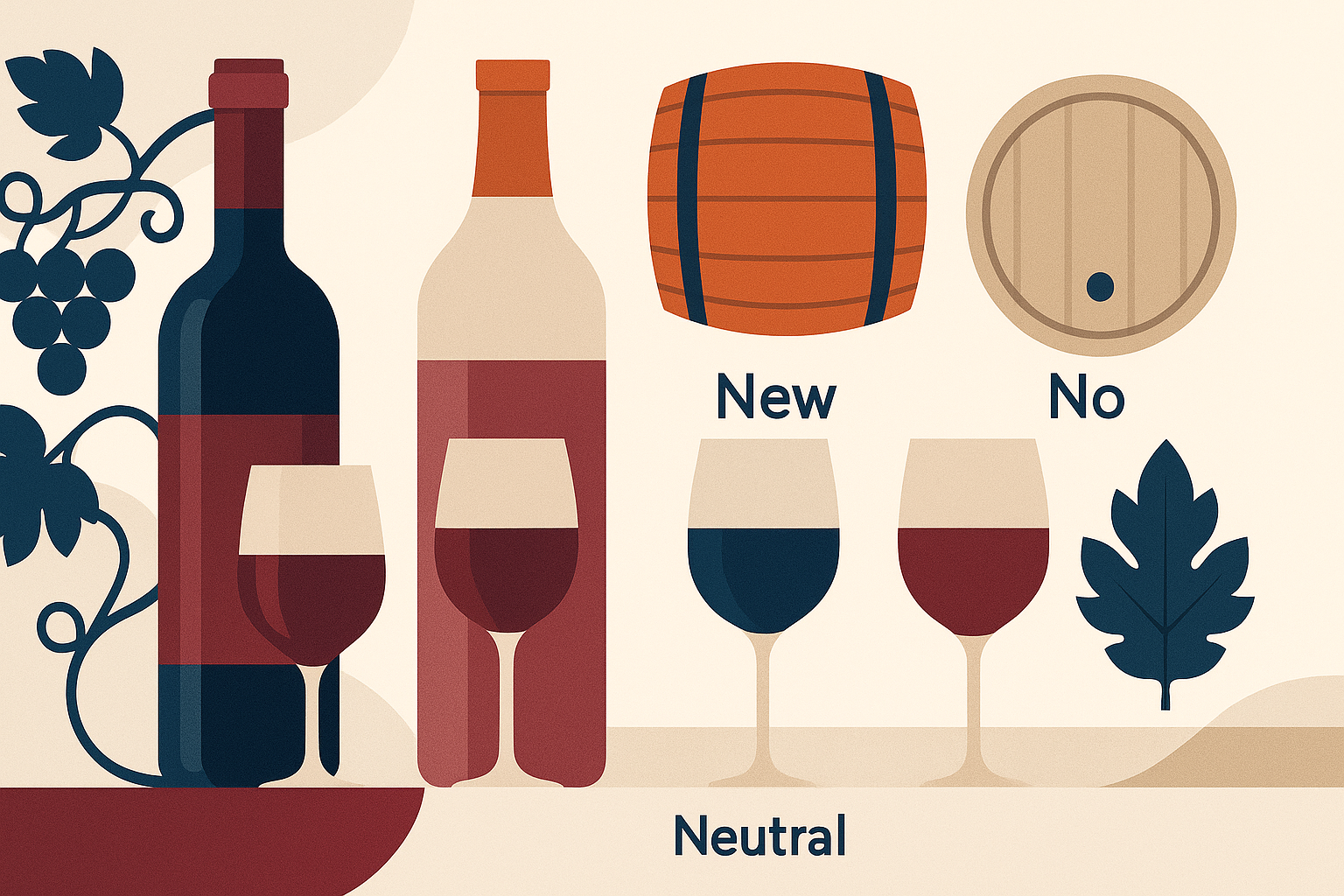
Style Snapshot: New vs Neutral vs No Oak
New oak is the spice rack and sandpaper in one. With small, new barrels, you’ll get flavors (think vanilla, cocoa, clove, sometimes coconut) plus structure from wood tannins. This suits powerful reds that already bring ripe fruit and firm tannins—Cabernet Sauvignon, Syrah/Shiraz, and Tempranillo are usual suspects. Regions like Bordeaux, Burgundy, and Napa Valley have long traditions of using a lot of new oak at top tiers.
Neutral oak—older, larger barrels—trades flash for finesse. You still get the gentle oxygen exposure that can soften a wine’s edges, but without big flavor transfer. Wines made with a mix of neutral barrels (sometimes a dash of new) tend to feel lighter, more transparent, and more terroir-driven. Pinot Noir, Grenache, and many Italian varieties (Dolcetto, and traditional Barolo in large botti) often live here.
No oak (stainless steel or concrete) is the red wine version of a clean line-up: pure fruit, bright acids, little interference. It works best for lighter styles with juicy, crunchy profiles—Gamay from Beaujolais, some Portuguese reds, plus select Pinot Noir and Grenache bottlings. These are classic chillable reds for picnics, beach days, or your pool floaty lifestyle.
Context: Why Oak Shows Up So Often in Red Wine
“Red wines benefit from not only the flavors of oak barrels, but also their tannins.” —Dr. Vinny, Wine Spectator
Most red wines are dry, and their character hinges on fruit, tannin, acidity, and body. Oak can support that architecture by adding tannin, rounding texture via micro-oxygenation, and smoothing sharp edges. That’s why you don’t see a ton of unoaked reds—oak helps organize the chaos, especially in bigger-bodied styles.
Still, the pendulum has swung. As Dr. Vinny notes, “It’s much more fashionable for red wines to be less oaky these days.” Winemakers have dialed back new oak and toast levels to spotlight freshness and site character. Translation: more vibrancy, fewer planks.
“most winery websites are very clear about their winemaking choices.” —Dr. Vinny, Wine Spectator
Pro tip: check the tech sheets. If you’re oak-curious, wineries increasingly list barrel sizes, ages, toast levels, and percentages of new vs used. That’s a cheat code for picking a style you’ll love.
How to Choose Based on Mood (and Menu)
New oak + bold reds (Cabernet Sauvignon from Napa Valley, Syrah/Shiraz, Tempranillo): Expect fuller body, firmer tannins, and oak spice. Great when you want plush, polished power. Best for richer dishes, grilled proteins, or mushroom-heavy plates that can dance with oak’s savory tones.
Neutral oak + elegant reds (Pinot Noir from Burgundy or Sonoma Coast, Grenache from Southern Rhône, Dolcetto from Piedmont): Lighter body, silkier feel, subtle spice. Think roast chicken, herby veggies, or charcuterie—foods that let the wine’s nuance breathe.
No oak + chillable reds (Gamay from Beaujolais, lively Portuguese blends, some Pinot/Grenache): Bright fruit and crunchy acidity; lower tannin. Chill slightly (55–58°F), serve with picnic spreads, tacos, or anything with a fresh, zippy vibe.
Best Occasion + Pairing Direction
Best occasion: New oak reds for celebratory dinners; neutral oak for weeknight “one-more-glass” elegance; no oak for casual hangs and warm-weather afternoons.
Best pairing direction: New oak—go savory and rich. Neutral oak—keep it balanced and aromatic. No oak—lean fresh, tangy, and chill-friendly.
Closing Takeaway
Oak isn’t a personality; it’s punctuation. New oak can bold the text, neutral oak italicizes nuance, and no oak keeps it clean. Decide what you’re craving: power, precision, or purity. And remember, the label only tells part of the story—let the region and grape be your compass. Cabernet Sauvignon and Syrah often welcome new oak; Pinot Noir and Grenache flirt with neutral; Gamay stands proud with no oak and a slight chill. You don’t have to pick sides—you just have to pick your moment.
Source: https://www.winespectator.com/articles/which-red-wines-are-aged-in-new-neutral-no-oak