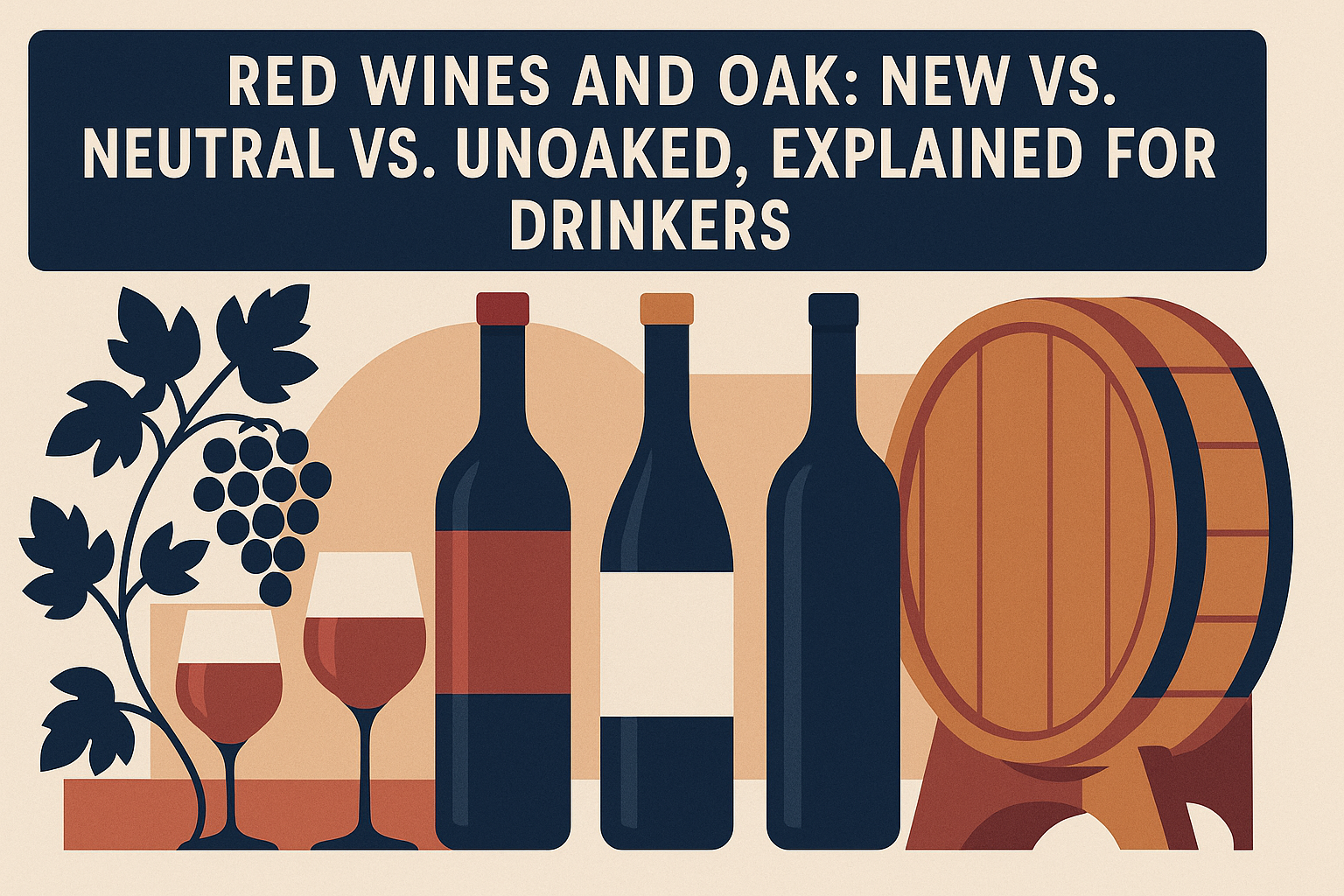

Red Wines and Oak: New vs. Neutral vs. Unoaked, Explained for Drinkers
If your last tasting note sounded like a pastry case—vanilla, cocoa, toast—you’ve met oak. And if your poolside red tasted like bright cherries with a little chill, you’ve met the unoaked crew. Dr. Vinny at Wine Spectator just laid out a clean framework for red wines and oak, and it’s worth dialing in your buying strategy accordingly.
Why This Matters
This isn’t just another headline—it’s a signal of where the wine news is headed. Paying attention now could save you money, introduce you to your next favorite bottle, or simply make you the most interesting person at your next dinner party.
Let’s keep it simple: oak changes both flavor and texture. New, small barrels lend more flavor and tannin; large or “neutral” barrels contribute less flavor but still ease a wine’s edges through gentle oxygen exposure. As Dr. Vinny puts it, “The most oaky wines will be bold and rich” —Dr. Vinny, Wine Spectator. That tracks with what most of us experience: bigger reds love a little barrel gym time.
Key Takeaways
- Key themes: oak aging, new oak, neutral oak—stay informed on these evolving trends.
- The takeaway? Keep exploring, keep tasting, and don’t be afraid to try something new.
Style Snapshot: New vs. Neutral vs. No Oak
New oak (often 100% or high percentage): Think Cabernet Sauvignon from Napa, Syrah/Shiraz, Tempranillo, and top-tier Bordeaux or Burgundy reds that lean on new barrels. Expect chocolate, spice, vanilla, coconut, and toast. Body: medium-full to full. Structure: firmer tannins. Dry, obviously. This is your steak-night comfort zone.
Neutral oak / larger barrels: A modern shift many winemakers are embracing—less overt oak, more elegance and transparency. Pinot Noir, Grenache, and Italian varieties like Dolcetto often land here. You might get a whisper of spice, but fruit clarity and balance lead. Body: medium. Tannins: finer, silkier. Still dry, but more lithe and lifted.
No oak (stainless or concrete): Lighter reds with bright fruit and “crunchy” acidity—Gamay from Beaujolais is the poster child. You’ll also see some Portuguese table reds, plus fresh styles of Pinot Noir and Grenache. Body: light to medium. Tannins: soft. Dry, refreshing, occasionally a touch tart. A.k.a. your chillable red for picnics and pool decks.
As Dr. Vinny notes, “It’s much more fashionable for red wines to be less oaky” —Dr. Vinny, Wine Spectator. Translation: more clarity, less barrel makeup; lighter toast levels; and a balancing act that shows off terroir rather than carpenter’s spice rack.
Context: Grapes, Regions, and Why Oak Matters
Red wines pull double benefit from oak: flavor and tannin. That tannin adds spine, especially to grapes like Cabernet Sauvignon and Tempranillo that already show muscle. Regions with a tradition of new oak—Napa Valley for Cab, top Bordeaux blends, richer Burgundies—use barrels to polish, structure, and age potential.
Neutral oak and larger formats show up across Old World regions where transparency is prized. In Barolo, for example, large, old botti (casks) soften Nebbiolo’s edges without layering on vanilla or toast. For Pinot Noir and Grenache, the move to neutral lets bright red fruit and savory detail lead rather than wood spice.
Unoaked reds are fewer but feisty. Beaujolais (Gamay) is the classic: juicy, vibrant, often vinified in stainless or concrete to keep fruit precise and the body nimble. Portugal’s everyday reds offer similar refreshment value, and some California winemakers are playing with concrete to preserve lift in lighter styles. The common thread? Energy. If you crave zip more than cocoa, follow the stainless/concrete breadcrumb trail.
One practical tip from the column: wineries usually publish the oak details. If you’re oak-curious, check the tech notes. You’ll see phrases like “30% new French oak,” “neutral barrels,” or “aged in concrete.” Those choices telegraph how your wine will feel: plush and structured vs. bright and breezy.
Best occasion: New oak reds for cozy, rich dinners; neutral oak for date-night elegance; unoaked for casual hangs, picnics, and poolside sipping.
Best pairing direction: New oak reds love protein and fat—ribeye, lamb chops, aged cheese. Neutral oak styles pair beautifully with roasted poultry, mushrooms, and herby pasta. Unoaked reds are versatile with charcuterie, veggie grills, and fish that can handle red (think grilled salmon). Keep it simple: match body and tannin to the richness of your plate.
Bottom line: oak is a tool, not a personality. The goal—whether you’re shopping Napa Cab, Beaujolais Gamay, or Barolo—is balance. If you want plush and powerful, reach for new oak. If you want clarity and finesse, go neutral. If you want crunchy and chillable, skip the oak altogether. And hey, if you’re surfing the Santa Monica break before dinner, chill that Gamay—no judgment.
Quotes: “The most oaky wines will be bold and rich” —Dr. Vinny, Wine Spectator. “It’s much more fashionable for red wines to be less oaky” —Dr. Vinny, Wine Spectator.
Source: https://www.winespectator.com/articles/which-red-wines-are-aged-in-new-neutral-no-oak