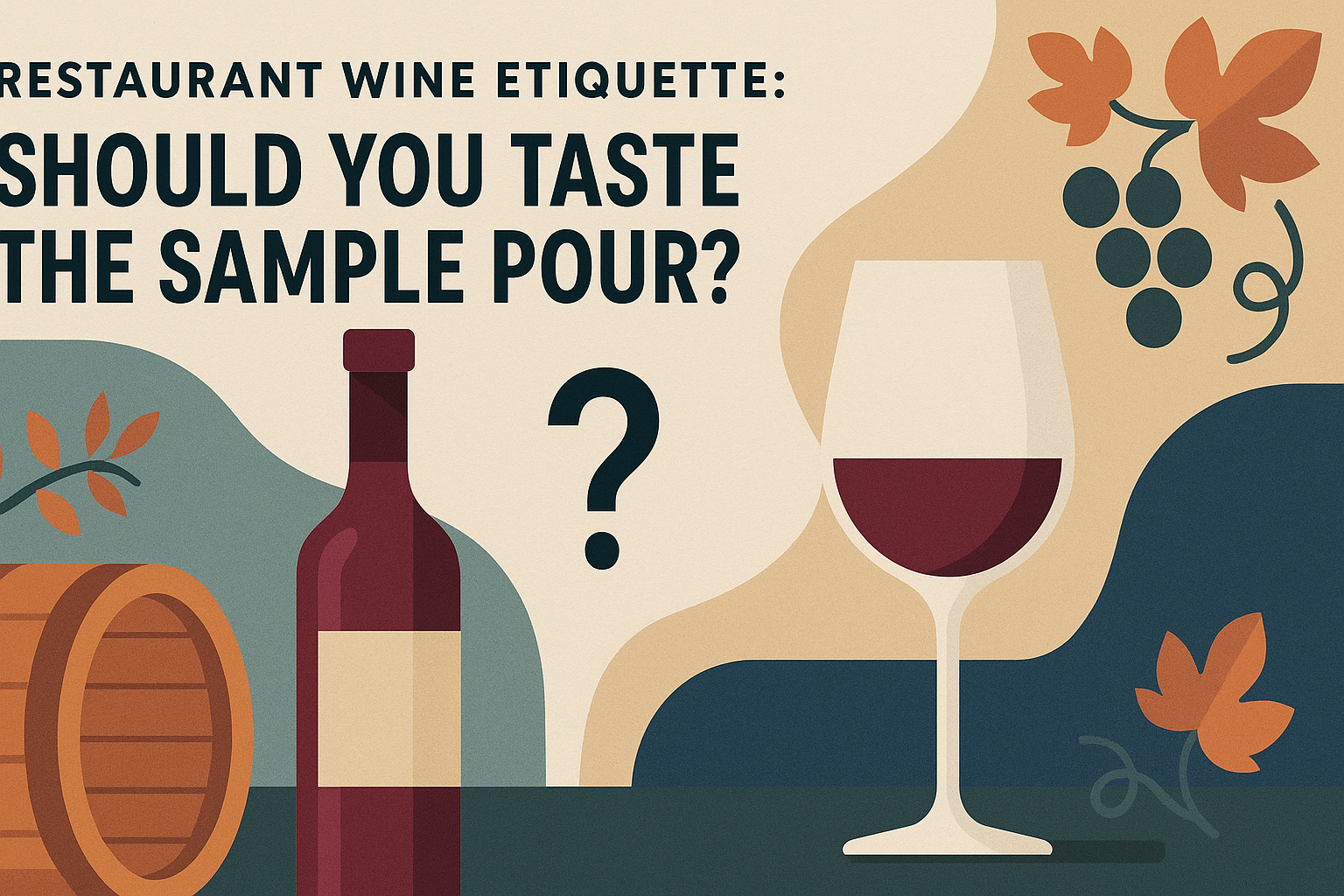

Restaurant Wine Etiquette: Should You Taste the Sample Pour?
If the sample pour ritual makes you sweat more than a July surf at Malibu, you’re not alone. The whole swirl-sip-nod sequence can feel performative, especially if you rarely send anything back. But—as Wine Spectator’s Dr. Vinny reminds us—there’s a real purpose behind the ceremony, and it doesn’t have to kill the vibe at your table.
Why This Matters
The wine world moves fast, and this story captures a pivotal moment. Whether you’re a casual sipper or a dedicated collector, understanding these shifts helps you make smarter choices about what ends up in your glass.
Key Takeaways
- Key themes: restaurant wine etiquette, sommelier, sample pour—stay informed on these evolving trends.
- The takeaway? Keep exploring, keep tasting, and don’t be afraid to try something new.
Service Snapshot: Why That First Pour Exists
The sample pour is there to do three jobs: confirm you got the bottle you ordered, catch flaws early, and offer a quick check that the wine’s been stored properly. The cork presentation isn’t just theater; for older or higher-end bottles, it’s also an anti-counterfeit and storage check. You don’t need to read the cork like tea leaves, but noticing it isn’t crumbly or saturated is a good sign.
As Dr. Vinny puts it,
“You don’t have to taste the wine.” —Dr. Vinny, Wine Spectator
A quick sniff is usually enough to catch obvious issues, and you can keep your conversation rolling instead of staging a mini master class at the table.
Common Flaws, Plain English
If you’ve ever felt unsure what you’re sniffing for, here’s the cheat sheet, minus the jargon:
- TCA (Cork Taint): Smells like wet cardboard, a damp basement, or moldy newspaper. It mutes fruit and makes the wine feel dull.
- VA (Volatile Acidity): A vinegar or nail polish remover quality. Small amounts can be part of style; sharp, distracting levels are a problem.
- Brettanomyces (Brett): Barnyard, bandaid, or smoky clove notes. Some traditionalists tolerate a little; too much and it steamrolls everything.
The kicker? Our noses aren’t all calibrated the same, and detecting flaws the second a bottle opens can be tricky. That’s why many restaurants have the sommelier quietly taste or smell the bottle before heading to your table—if their policy allows.
How to Skip the Sip (Politely)
If the ritual stresses you out, there’s a graceful middle path: ask your sommelier if they’ve checked the wine, then give them the go-ahead. Dr. Vinny offers the perfect line:
“I trust your nose; please go ahead and pour!” —Dr. Vinny, Wine Spectator
Regular at a friendly spot? You can also keep it casual:
“You can go ahead and just pour the wine around, thank you!” —Dr. Vinny, Wine Spectator
That said, if you’ve ordered an older vintage or something with a reputation for variability, somebody should give it a quick check—whether that’s you or the somm.
Bonus comfort: screwcap wines reduce cork-related issues, so it’s less risky to skip the sip. Not zero risk (faults can happen), but the odds are better.
Context: Etiquette Without the Awkward
The sample pour isn’t a test of your tasting prowess; it’s a service step designed to make sure you’ll be happy with what’s in your glass. My take: don’t feel pressured to perform. If you’re confident in the restaurant and trust your sommelier, let them do the heavy lifting. If it’s your first time at a more formal spot, consider playing along with a sniff-and-smile—you’ll be done in seconds, and it avoids the messier convo of replacing a flawed bottle after it’s been poured for everyone.
Also, remember that sending back a flawed wine isn’t a moral failing. It’s part of good hospitality. You’re not critiquing the producer or the server—you’re just ensuring the wine is sound.
Best Occasion + Pairing Direction
Best occasion: Date night or business dinner where you want smooth service and minimal ceremony—especially with reliable producers or fresh vintages.
Best pairing direction: Keep it classic and crowd-pleasing. For reds, lean toward balanced, dry styles that play well with grilled meats. For whites, go crisp and refreshing with seafood or salads. If you’re skipping the taste, choose from producers and regions you trust and vintages without extreme age.
Closing Takeaway
Short version: the sample pour is there to protect your experience, not to put you on the spot. If you’d rather skip the sip, ask if the sommelier has checked the wine and greenlight the pour. And if something seems off, speak up—gracefully. That’s good etiquette, good hospitality, and a smoother night all around.
Source: https://www.winespectator.com/articles/restaurant-wine-etiquette-sommelier-sample-pour-flaws-cork