
More Bad News for US Wine: Exports Slide, Tensions Rise
If you’ve felt the wine world wobble lately, you’re not imagining it. The latest tally shows US wine exports down hard, European producers agitating, and one major French cooperative headed for administration. It’s a week where Cabernet feels like it caught a rogue set—still standing, but drenched.
Why This Matters
This isn’t just another headline—it’s a signal of where the wine news is headed. Paying attention now could save you money, introduce you to your next favorite bottle, or simply make you the most interesting person at your next dinner party.
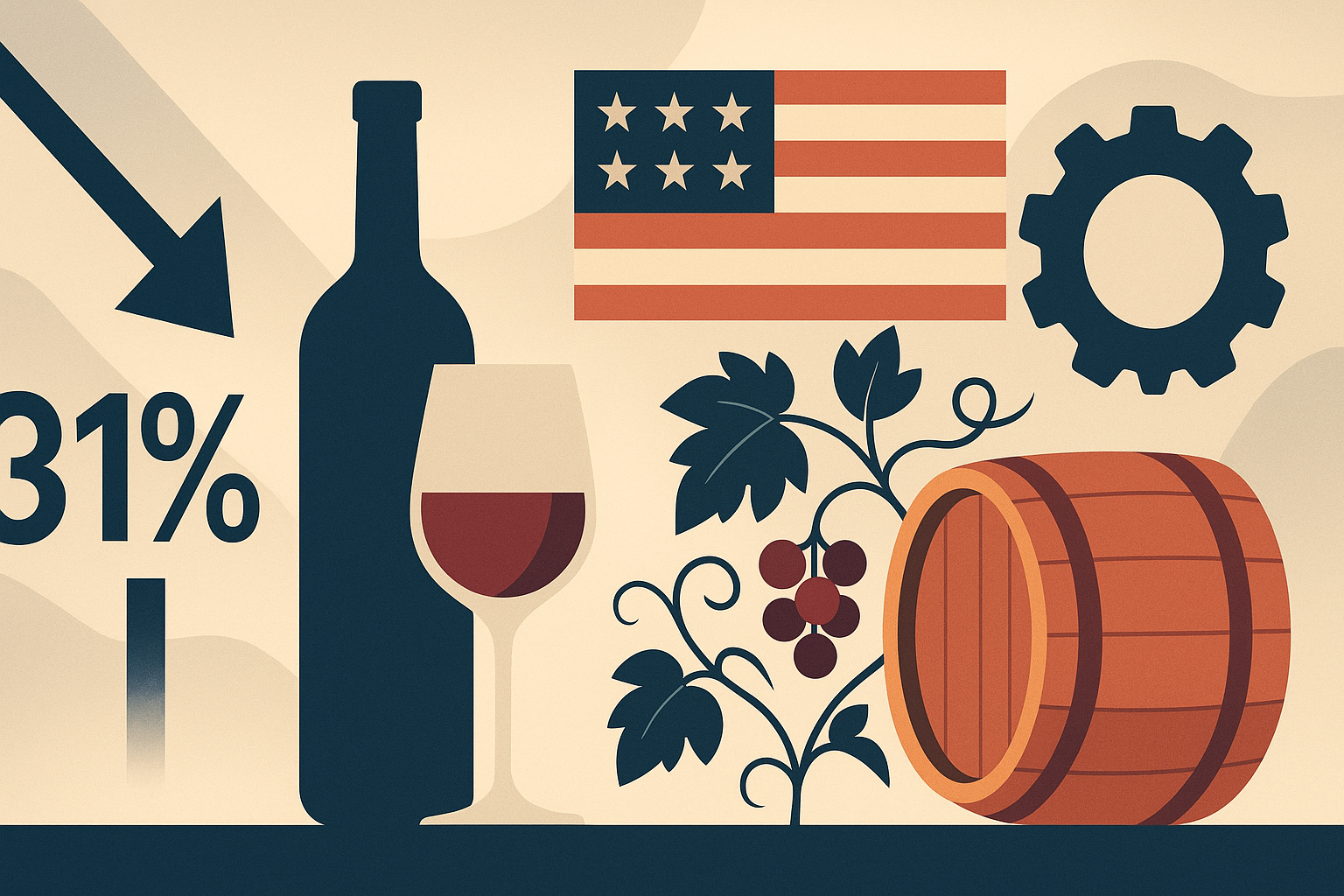
Wine-Searcher reports the US logged a steep decline, with export value dropping roughly 31 percent year-on-year in the first three quarters of 2025. That’s a reset from just under $1 billion to about $655 million. As they put it: “US wine exports fell by almost a third last year.” —Wine-Searcher
Key Takeaways
- Price points mentioned range from $1 to $655, offering options for various budgets.
- Key themes: US wine exports, tariffs, Moët Hennessy—stay informed on these evolving trends.
- The takeaway? Keep exploring, keep tasting, and don’t be afraid to try something new.
The snapshot: What this means for drinkers
Let’s translate the turbulence. US exports skew heavily toward classic American calling cards—Napa Cabernet Sauvignon (full-bodied, dry, structured), Sonoma Chardonnay (dry, often oak-kissed), and plenty of Pinot Noir from cool-climate pockets like the Sonoma Coast. A pullback overseas doesn’t mean those wines vanish stateside; it often means more bottles competing for attention on home shelves, potentially with sharper pricing or promotions.
Meanwhile, in France, Champagne house Moët Hennessy is facing renewed strike calls after bonus packages were shelved amid falling profits in LVMH’s wine and spirits division. That’s not a quality alarm bell, but it is a signal that even luxury bubbles feel macro pressure. And up in the air—literally—Air France is leaning into premium no-alcohol options, adding French Bloom for First Class. As Air Journal (via Wine-Searcher) calls it, “haute sommelierie in flight.” —Air Journal, via Wine-Searcher
Context: Tariffs, overproduction, and a tough export lane
According to Wine-Searcher’s reporting, analysts pinned much of the US export slide on trade measures that rattled the Canadian and Chinese markets—two key lanes for American producers. When tariffs become part of the conversation, the math changes for importers, and so does shelf ambition. California’s current overproduction backdrop makes that even messier: great for price-to-quality at home, frustrating when overseas demand softens.
The ripple effects aren’t only American. In the Rhône Valley, a very French form of protest popped up when young farmers literally mooned Michel Chapoutier after he suggested agriculture might “take inspiration from the wine industry.” —Michel Chapoutier, via Ici Drôme, reported by Wine-Searcher. His point—wine benefits from structures like the OIV and appellation systems—landed awkwardly with farmers worried about the EU-Mercosur deal and regulatory discrepancies. It’s cheeky optics, sure, but also a reminder that global trade deals can be emotional for folks whose margins ride the weather and the week’s diesel price.
Down in Roussillon, the Groupement Interproducteurs Collioure Banyuls (GICB)—the cooperative that accounts for nearly half of Collioure and Banyuls production—heads into administration after mounting debts and sluggish sales. That matters for fans of these Mediterranean appellations: Collioure reds lean dry, sun-soaked, and savory; Banyuls is famous for fortified, sweet, oxidative styles that pair beautifully with chocolate or blue cheese. When a major regional player hits the brakes, export availability can tighten. The GICB president summed it up starkly: “nothing is selling.” —Laurent Barreda, via ICI Roussillon, reported by Wine-Searcher
Put together, we’re seeing a triad: US export contraction, European labor and market stress, and a structural shake-up in a niche but beloved French region. The silver lining for US drinkers is choice—domestic shelves may get richer with Cabernet Sauvignon, Chardonnay, Pinot Noir, and blends that otherwise might have shipped out. The caution flag: some European bottles you love could see bumpy distribution or delayed releases if cooperatives and négociants tighten the spigot.
How to drink smarter right now
Best occasion: Stock-your-cellar Saturday. Take advantage of the current price-quality window, especially on dry, full-bodied US reds (Cabernet Sauvignon) and versatile, food-friendly whites (Chardonnay). Consider a Pinot Noir detour for lighter, red-fruited nights.
Best pairing direction: Think flexible and crowd-pleasing. For Cab, go savory—grilled steak, mushrooms, aged cheddar. For Chardonnay, lean into roasted chicken, buttered seafood, or creamy pasta. Love Banyuls? Sweet meets salt—dark chocolate, walnuts, or a funky blue cheese board. If you’re in a non-alc mood, try the sparkling route with snacks that love acidity: olives, marcona almonds, and citrusy salads.
The take-home: It’s choppy seas out there, but smart shoppers can surf the set. Keep an eye on regions under stress (Collioure-Banyuls, parts of Champagne’s labor landscape) and use domestic oversupply to your advantage. If you see a reliable Napa Cabernet or Sonoma Chardonnay creeping under its usual price floor, that’s your green light. And if French Bloom shows up in-flight, hey—hydration and bubbles aren’t mutually exclusive. This is a moment to buy with intention, not panic.
Source: https://www.wine-searcher.com/m/2026/01/more-bad-news-for-us-wine?rss=Y