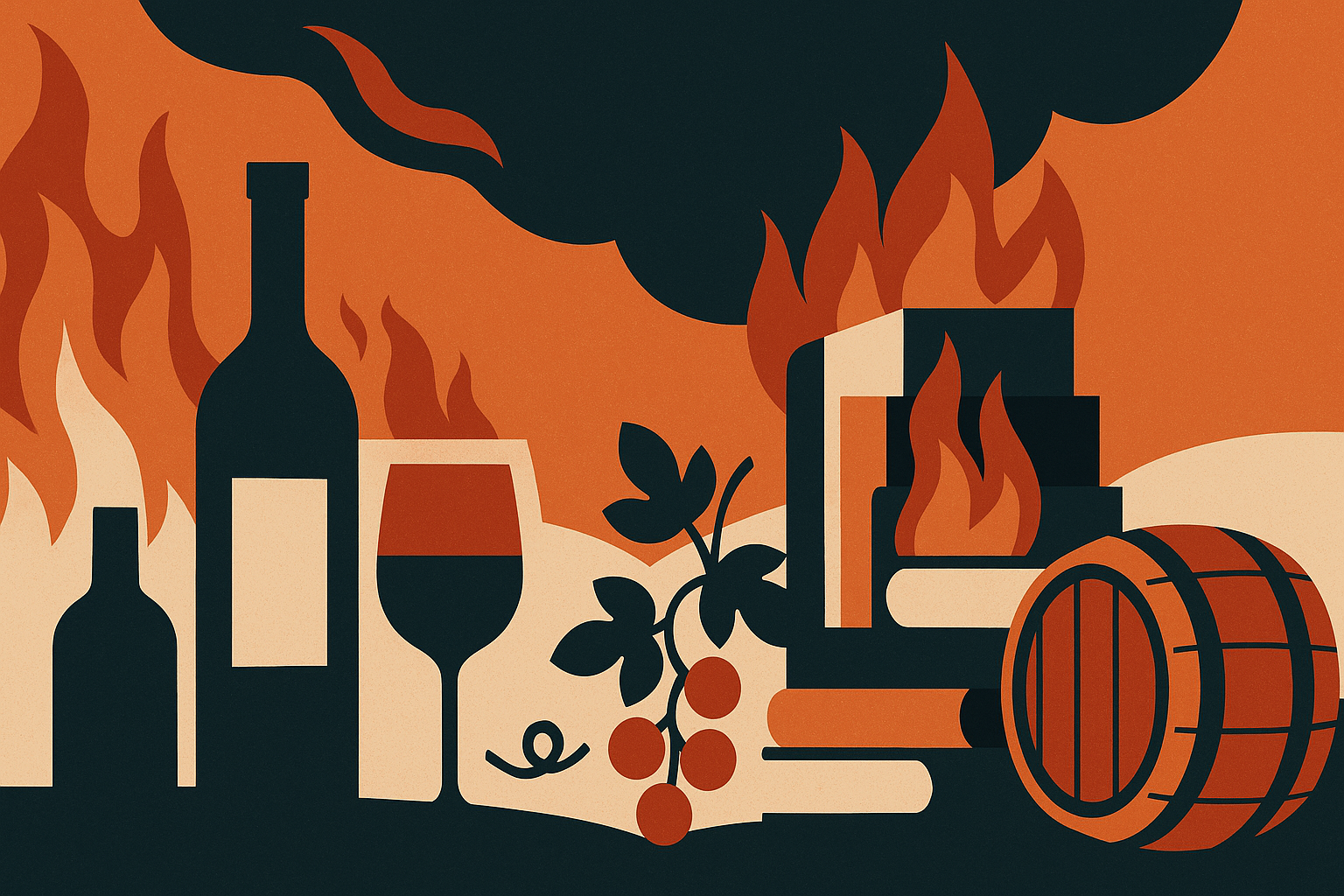

Australia’s wine country is tough as old vine roots, but the latest bushfires ripping through Victoria are a gut punch. The flames didn’t just lick at fence posts—they burned across more than 300 acres of vineyard, torched homes, and vaporized a quarter-million bottles of precious library stock. That’s not just inventory; it’s memory, craft, and time in glass.
Why This Matters
This isn’t just another headline—it’s a signal of where the wine news is headed. Paying attention now could save you money, introduce you to your next favorite bottle, or simply make you the most interesting person at your next dinner party.
Wine Victoria chair Dan Sims didn’t sugarcoat the scene. “You’re driving along in this land of devastation,” Dan Sims told Wine-Searcher. In spots there weren’t even the sad remnants you expect after a fire—no posts, no wires, just scorched earth where vineyards used to be.
Key Takeaways
- Key themes: Victoria bushfires, Strathbogie Ranges, Wine Victoria—stay informed on these evolving trends.
- The takeaway? Keep exploring, keep tasting, and don’t be afraid to try something new.
Strathbogie Ranges: Hard-hit and hurting
The Strathbogie Ranges north of Melbourne took it on the chin. Winemaker Matt Fowles of Fowles Wine fought like hell to save his property from the Longwood fire. The first wave backed off; the second didn’t. His family home didn’t make it. It’s the kind of loss that hits beyond business—into the heart stuff you don’t list on a spreadsheet.
Neighboring producer Elgo Estate says their Upton Hill vineyard was “devastated,” and owner Grant Taresch told Drinks Trade the region was essentially “wiped out.” Some wineries are now facing decisions no winemaker ever wants: whether to replant, rebuild, or step away entirely.
Library stock lost: The irreplaceable collection
If you’ve ever tasted an older vintage that made you believe in wine religion, you get the heartbreak here. Sims estimates around 250,000 bottles—much of it museum stock—were destroyed when the Ravenswood South blaze tore through Harcourt’s cool store. Bendigo and Macedon Ranges producers like Joshua Cooper, Blackjack Wines, Killiecrankie, and Sutton Grange reportedly lost bottles. It’s like losing family photos, but they also happened to be collectible and delicious.
How do you put a number on a lifetime’s curation? You don’t. You remember what it represented and help rebuild the next chapter.
What’s next: Smoke, seasons, and stubborn resilience
There’s one sliver of good news in the ash: many vineyards hadn’t hit veraison yet, which might reduce the risk of smoke taint. Grapes before veraison aren’t as sponge-like, so there’s hope that the 2026 vintage isn’t automatically doomed by smoke. That said, recovery isn’t just about fruit—it’s infrastructure, labor, cash flow, and a thousand tiny decisions owners will be juggling over the next months and years.
Wine regions are collections of microclimates and people. The soils will still be there. The people—if supported—will too.
How you can support (from the couch or the cellar door)
Wine folks don’t ask for much, but the ask right now is simple. “Buy direct, if you can,” Sims told Wine-Searcher. If you’ve got a favorite Victorian producer, go straight to their website and order. If you’re local, visit the cellar door when authorities say it’s safe—bring patience and a big heart, because shipments might be slow, and tasting rooms may be running on generator grit and community goodwill.
Sims says Wine Victoria is compiling affected producers; keep an eye there, then choose a few bottles you can live without and a few you can’t. If you prefer experiences to cardboard boxes, plan a future trip once the region stabilizes. Tourism dollars taste pretty good to a winery rebuilding after fire.
Context: Climate, risk, and the long game
Fires aren’t new to Australia, but the intensity and frequency are the new normal—like catching a rising swell that doesn’t seem to quit. Winery teams now juggle bushfire planning right alongside canopy management and barrel programs. More sprinklers, better fire breaks, smarter storage decisions, and insurance policies that actually pay when the worst happens. None of it’s romantic, but it’s the reality of making wine in a warming world.
Still, if there’s a culture built for comeback, it’s Australia’s wine community. The same stubborn optimism that plants vineyards in marginal soils will plant again in blackened ones. The region will return, not by pretending this didn’t happen, but by learning from it.
Raise a glass, then roll up sleeves
If you’re reading this from halfway around the world, the most helpful thing might be surprisingly simple: buy a case, tell a friend, and don’t forget them three months from now when the news cycle moves on. Rebuilding is a marathon, not a sprint—kind of like aging Shiraz, only with more trips to the hardware store.
For now, our hearts are with the winemakers, vineyard crews, families, and neighbors picking through ashes and planning the next vintage. Wine is resilient because winemakers are. And Victoria’s got plenty of both.
Source: https://www.wine-searcher.com/m/2026/01/wildfires-rip-through-victoria-wine-country?rss=Y