
Vines Under Solar Panels: VitiVoltaic and Rheingau Riesling’s Future
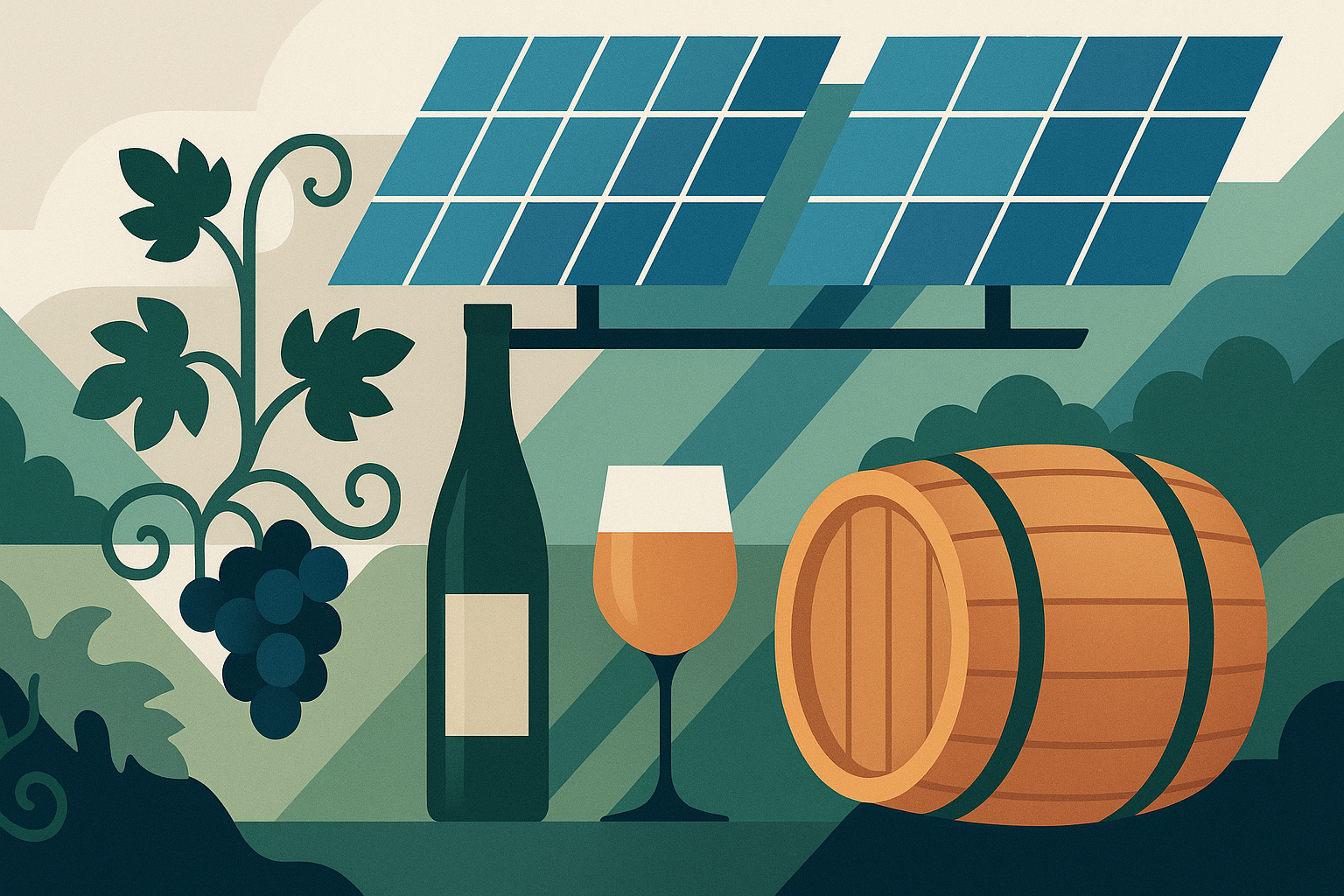
Greenhouses have long ruled Dutch produce, and now Germany’s Geisenheim University is testing a solar-powered riff for vineyards. Their VitiVoltaic project mounts photovoltaic panels high above vines in the Rheingau, aiming to soften the blows of frost, heavy rain, and drought while diffusing sunlight more evenly. As Simon J Woolf puts it, “It’s almost like growing vines in a greenhouse.” — Simon J Woolf, The Morning Claret.
Why This Matters
The wine world moves fast, and this story captures a pivotal moment. Whether you’re a casual sipper or a dedicated collector, understanding these shifts helps you make smarter choices about what ends up in your glass.
The wine world is split: is this smart resilience or terroir taming? As a California-based writer who’s watched vineyards weather wildfire smoke and heat spikes, I get the temptation to bubble-wrap your vines. But I also love wine precisely because it reflects the season’s mood swings. That tension is the heart of this debate.
Key Takeaways
- Key themes: VitiVoltaic, Rheingau, Riesling—stay informed on these evolving trends.
- The takeaway? Keep exploring, keep tasting, and don’t be afraid to try something new.
Style Snapshot: Rheingau, Riesling, and the promise vs. peril
Region: Rheingau, Germany — home turf for Riesling and some Spätburgunder (Pinot Noir). Riesling here is celebrated for its high acidity, mineral lift, and a spectrum from bone-dry to off-dry. Body typically runs light to medium, with precision over power.
Geisenheim has already bottled two test vintages under the solar arrays, reporting wines that are “lighter and fresher — ‘just like it used to be.’” — via Simon J Woolf, The Morning Claret. That sounds appealing on paper, especially if recent hotter seasons have nudged styles riper. But Emma Bentley (VinNatur) questions whether “lighter and fresher” simply signals fruit that wasn’t fully ripe. Angiolino Maule goes further: “If there isn’t direct sunlight the plants don’t work.” — Angiolino Maule via The Morning Claret.
For Riesling, ripeness isn’t just sugar; it’s phenolic maturity and flavor development. Diffused light might keep acids brisk, but if it mutes aromatic complexity (think citrus, stone fruit, florals) or compresses texture, the trade-off could be thinness masquerading as elegance. That’s not a universal outcome, but the risk is real.
Terroir vs tech: Where’s the line?
Natural wine folks aren’t allergic to innovation—drones, PIWI varieties, and smart pragmatism are already in the toolkit. As Woolf notes, minimal-intervention producers are testing drones to reduce soil compaction and fuel use, and PIWIs offer disease resistance without resorting to systemic sprays. That’s tech supporting farming, not reshaping the vineyard’s climate itself.
VitiVoltaic feels different because it filters weather—and light—before grapes experience it. Terroir isn’t just soil and slope; it’s the interplay of sun, rain, wind, and season. Buffer too much of that, and you start standardizing vintages. The magic of wine lies in its capacity to articulate difference. No serious wine lover wants every year to taste like a template.
But let’s keep this grounded. Labor shortages are brutal. Weather extremes are increasing. If solar arrays keep small growers solvent and vines safer on steep slopes, that’s a human reality we shouldn’t dismiss out of hand. The question is whether the intervention changes the wines in ways that feel less like the place they’re from. When the vineyard begins to resemble a factory floor, we drift away from the thing that makes wine unique.
What this could mean in your glass
Translated to consumer terms: expect potential shifts toward leaner, higher-acid profiles if shade and diffused light dominate. That might appeal to fans of zippy, dry Rheingau Riesling. But if aromatic depth and vintage character flatten, we’ll notice. There’s a sweet spot where technology helps growers survive climate stress without turning terroir into a controlled environment. Personally, I’d rather see solar power energizing the winery and tractors—not filtering the vineyard’s sun.
Best occasion & pairing direction
Best occasion: A thoughtful tasting with friends debating tech’s role in wine—pour a dry Rheingau Riesling and let the conversation breathe.
Best pairing direction: Bright, acid-loving plates. Think citrusy seafood, simple sushi, or fresh goat cheese. Keep the flavors clean to let Riesling’s lift and minerality shine.
Closing takeaway: VitiVoltaic is clever, and resilience matters. But when tech starts editing the weather, we risk editing the story. Use solar to power the work—just don’t dim the sun that writes the wine.
Source: https://themorningclaret.com/p/growing-grapes-under-glass