
When 94 Points Costs $40 or $750: What Blind Tasting Really Means
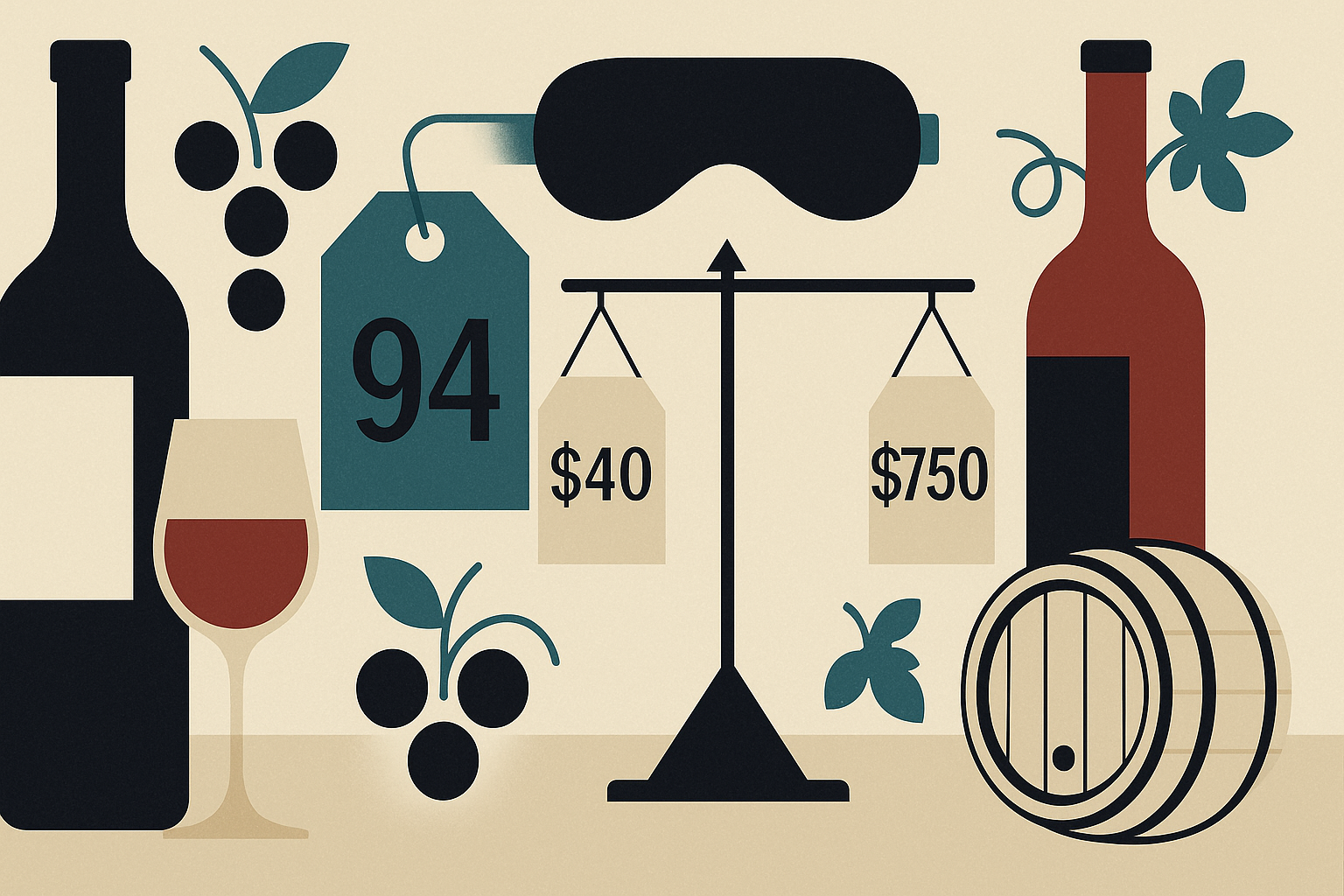
If you’ve ever stared at two 94-point bottles—one around $40, the other pushing $750—and wondered if the wine world is trolling you, you’re not alone. In a recent Wine Spectator column, Dr. Vinny explains why equal scores can show up at wildly different price points, and how blind tasting keeps things honest. Spoiler: price isn’t part of the score, and that’s a feature, not a bug.
Why This Matters
This isn’t just another headline—it’s a signal of where the wine news is headed. Paying attention now could save you money, introduce you to your next favorite bottle, or simply make you the most interesting person at your next dinner party.
As Dr. Vinny puts it, “all wines are reviewed in blind tastings.” —Dr. Vinny, Wine Spectator. No label clout, no price halo—just what’s in the glass. Wines are tasted in peer groups (think same grape, vintage, and region), so a flight of 2021 Napa Valley Cabernet is judged alongside its equals, same with 2024 Marlborough Sauvignon Blanc. That structure keeps the comparison fair while allowing quality to rise above hype.
Key Takeaways
- Price points mentioned range from $40 to $750, offering options for various budgets.
- Key themes: blind tasting, wine scores, price vs quality—stay informed on these evolving trends.
- The takeaway? Keep exploring, keep tasting, and don’t be afraid to try something new.
Style vs. Quality: Why 94 Isn’t One Flavor
Here’s the key distinction: a score reflects quality, not your personal taste. Two wines can be beautifully made, balanced, and expressive—and still hit very different style notes. A 94-point Napa Cabernet Sauvignon is typically a dry, full-bodied red with black fruit, structure, and often some oak polish. Meanwhile, a 94-point Marlborough Sauvignon Blanc is usually dry, zesty, high-acid, with citrus and tropical aromatics. Both can be outstanding, just in different lanes.
Dr. Vinny also notes that while tasters don’t see prices, flights tend to “naturally clump” by price. Napa Cab generally skews higher; Marlborough Sauv Blanc often stays in the approachable zone. But you can still find winners in both camps—hence a $40 rockstar sitting next to a luxury bottling at the same score.
So if you’re eyeing equal 94s, ask yourself: Do you want power and plush (Cab), or snap and sprint (Sauv Blanc)? If you’re a texture hunter, Cab’s tannins and body might be your jam. If you chase energy and refreshment, Marlborough’s precision could be the better value play.
How to Shop Smarter With Equal Scores
Use the score as a quality green light, then shop the lane you’ll enjoy. Blind tasting ensures workmanship, but it won’t choose your vibe for you. A few quick checks before you buy:
- Grape and region: The score says “well made”; the label tells you what kind of well made.
- Style cues: Dry? Full-bodied? High-acid? Oak? Let these guide the meal and mood.
- Occasion fit: Tuesday-night fish tacos vs. a milestone dinner—pick accordingly.
For context, Napa Cab (California icon territory) is known for depth, ripe fruit, and aging potential—think steak, roast lamb, or mushroom-heavy dishes. Marlborough Sauvignon Blanc (New Zealand’s signature white) delivers crisp citrus, grassy notes, and tropical lift—perfect with salads, seafood, sharp cheeses, and anything with lemon or herbs.
Dr. Vinny’s democratic approach is the point: blind tasting lets a new producer outshine an old château, and a value bottle shine next to a trophy. It also means you might not love every wine at the same score—because style and preference aren’t standardized. The good news? You don’t have to buy a $750 bottle to drink at a high level; you just have to buy smart for your palate.
Style Snapshot
Napa Valley Cabernet Sauvignon (dry, full-bodied red): Structured, dark-fruited, often oaked. Best for richer meals and slow evenings. Expect power with polish.
Marlborough Sauvignon Blanc (dry, light-to-medium-bodied white): High acidity, citrus and tropical notes, minimal oak. Best for bright, refreshing pairings and daytime sipping.
Best Occasion + Pairing Direction
Best occasion: Choose Cab for celebratory dinners or contemplative nights; go Sauvignon Blanc for sunny afternoons, casual gatherings, and seafood spreads.
Best pairing direction: Cab with grilled meats, earthy pastas, and umami; Sauvignon Blanc with shellfish, citrusy salads, and goat cheese.
Final thought: a matching score is a starting line, not a finish. Price signals brand, scarcity, and market demand; the score signals craft. Marry the two with your preferences, and you’ll drink better at every budget.