
Why Boomslang Napa Cabernet’s MV Blend Works: 94-Point Value
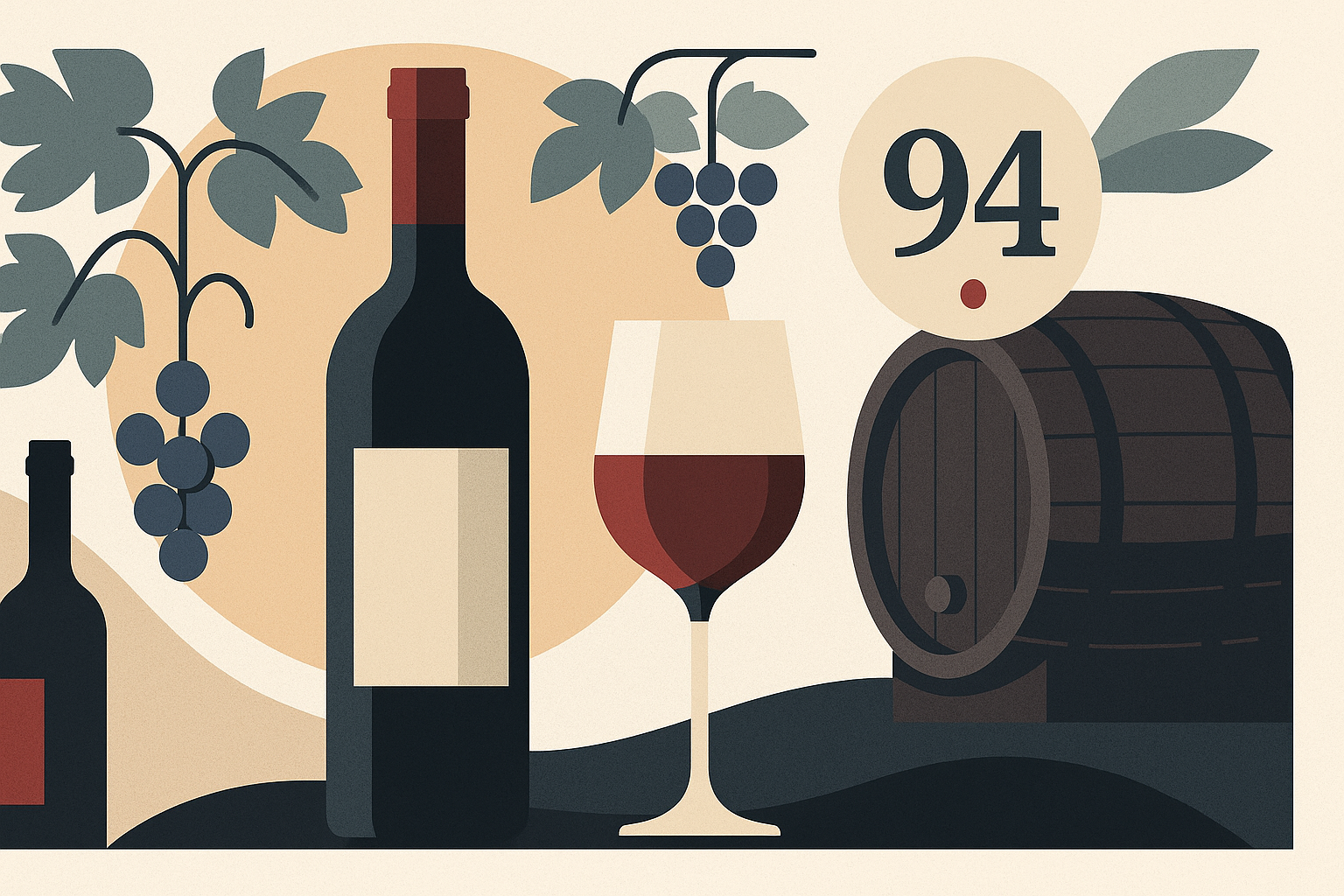
Some wines whisper. Boomslang Napa Valley Cabernet Sauvignon by Thurlow Cellars does the opposite—it earned a 94-point nod and still managed to sell out before many of us even laced up our buying shoes. Reverse Wine Snob flagged it as a rare multi-vintage (2019–2022) Napa Cabernet, 100% varietal, with just a dozen barrels blended. As they put it, “It has a 94 Point rating from Decanter” —Reverse Wine Snob. When a Napa Cab with that pedigree goes MV and nails the landing, you pay attention—then you make a mental note for the next release.
Why This Matters
This isn’t just another headline—it’s a signal of where the wine news is headed. Paying attention now could save you money, introduce you to your next favorite bottle, or simply make you the most interesting person at your next dinner party.
Key Takeaways
- Key themes: Napa Valley Cabernet, Cabernet Sauvignon, Multi-vintage wine—stay informed on these evolving trends.
- The takeaway? Keep exploring, keep tasting, and don’t be afraid to try something new.
Style Snapshot: Napa Cab, Multi‑Vintage, Dry and Full‑Bodied
Let’s decode what’s in the glass based on the source notes. Cabernet Sauvignon from Napa Valley is the state’s heavyweight: expect structure, dark fruit, oak accents, and a finish that lingers. Reverse Wine Snob describes Boomslang as opening with dark berries, licorice, spice, vanilla and cedar, moving into a rich, balanced, smooth palate with a dry, long finish. In their words: “This is VERY easy to drink.” —Reverse Wine Snob.
The headline details matter for style and buy intent:
- Grape variety: Cabernet Sauvignon (100%)
- Region: Napa Valley, California
- Approach: Multi‑vintage blend (2019–2022)
- Winemaker: Kevin Morrisey (Stags Leap, Ehlers, even time at Petrus)
- Profile: Dry, full‑bodied, rich fruit, structured, balanced, long finish
Translation: classic Napa Cab bones, but assembled with MV flexibility—think depth from older components and brightness from younger material. The result, per the review, is polished and welcoming without sacrificing grip.
Why Multi‑Vintage in Napa Can Shine
We’re used to NV in Champagne. In Napa Cabernet, MV is less common, especially at premium levels. That’s partly tradition and partly marketing. But blending across vintages can be a creative superpower when the goal is texture and balance rather than a single harvest snapshot. Reverse Wine Snob notes that the Decanter reviewer lamented more California producers don’t do MV; that checks out—MV gives a skilled winemaker latitude to build harmony. Or as the winery story underscores, this bottling leans on older vines and choice sites to keep the fruit serious and the textures refined.
In this case, only 12 barrels were blended, and the fruit comes from 35-year-old vines in Napa. Older vines typically yield less fruit with more concentration—great raw material for a Cabernet that aims for density without clunkiness. The winery focuses on elevated sites (cooler temps, better drainage, steady sunlight) which can translate to freshness alongside ripeness—key to avoiding palate fatigue in full-bodied reds.
How to Think About It: Context, Expectations, Intent
Common wisdom says Napa Cab equals powerful, oak-tinged, age‑worthy reds built around dark fruit and tannin. The source tasting note mirrors that, but the MV twist suggests a different path to polish: use the maturity of one vintage to round the edges, and the youth of another to lift aromatics. Based on Reverse Wine Snob’s review, expect dark berry and licorice at the core, a line of spice and cedar, a smooth mid-palate, and a dry, long finish with a faint, pleasing grip. Nothing over‑the‑top; more composed than brawny.
Worth noting: the wine is sold out through this particular Insider Deal. That’s the game with micro‑lots—the best move is getting on the notification list and being ready to pounce when the next small-production Napa MV Cab with real pedigree pops up. Reverse Wine Snob made the value case clear without leaning on gimmicks, and the market answered.
Drink Window, Occasions, Pairings
Cabernet Sauvignon’s tannic frame usually gives it some runway. With a smooth mouthfeel and balanced structure (per the source), this feels like a drink‑now to mid‑term hold kind of wine—no need to cellar for a decade to enjoy.
- Best occasion: Dinner with friends when you want a conversation‑starter Napa Cab that’s plush but not flashy.
- Best pairing direction: Charred proteins (ribeye, portobello), hard cheeses, rosemary lamb, or cocoa‑rubbed anything. Keep the sauce simple and let the Cab’s dark fruit and spice do the talking.
Final Takeaway
Multi‑vintage Napa Cabernet that scores with Decanter and drinks effortlessly is exactly the kind of outlier I root for. It respects the region’s power, then polishes it with blending savvy. As Reverse Wine Snob sums up, the wine finished “dry, long and lingering” and smoothed out on day two—signs of thoughtful construction and good balance. If you missed this round, don’t sweat it; take the lesson. When you see a tiny‑lot Napa MV Cab crafted by a serious hand, don’t hesitate.
“Only 12 barrels were blended.” —Reverse Wine Snob
Source: https://www.reversewinesnob.com/insider-deal-boomslang-napa-cabernet/