
Wine Data Signals Optimism: Searches Rise, Quality Trends Up
The headlines have been brutal for wine lately—declining consumption, tough retail climate, fewer corks popping. But the latest Wine-Searcher data offers a counter-current worth paddling into. As they put it, “There are still reasons to be cheerful” — Wine-Searcher. Translation: interest isn’t dead; it’s just changing shape.
Why This Matters
Behind every great bottle is a story, and this one matters. It reflects broader trends shaping how wine is made, sold, and enjoyed. Stay curious—your palate will thank you.
Key Takeaways
- Key themes: wine industry, wine-searcher, wine data—stay informed on these evolving trends.
- The takeaway? Keep exploring, keep tasting, and don’t be afraid to try something new.
What the Numbers Say
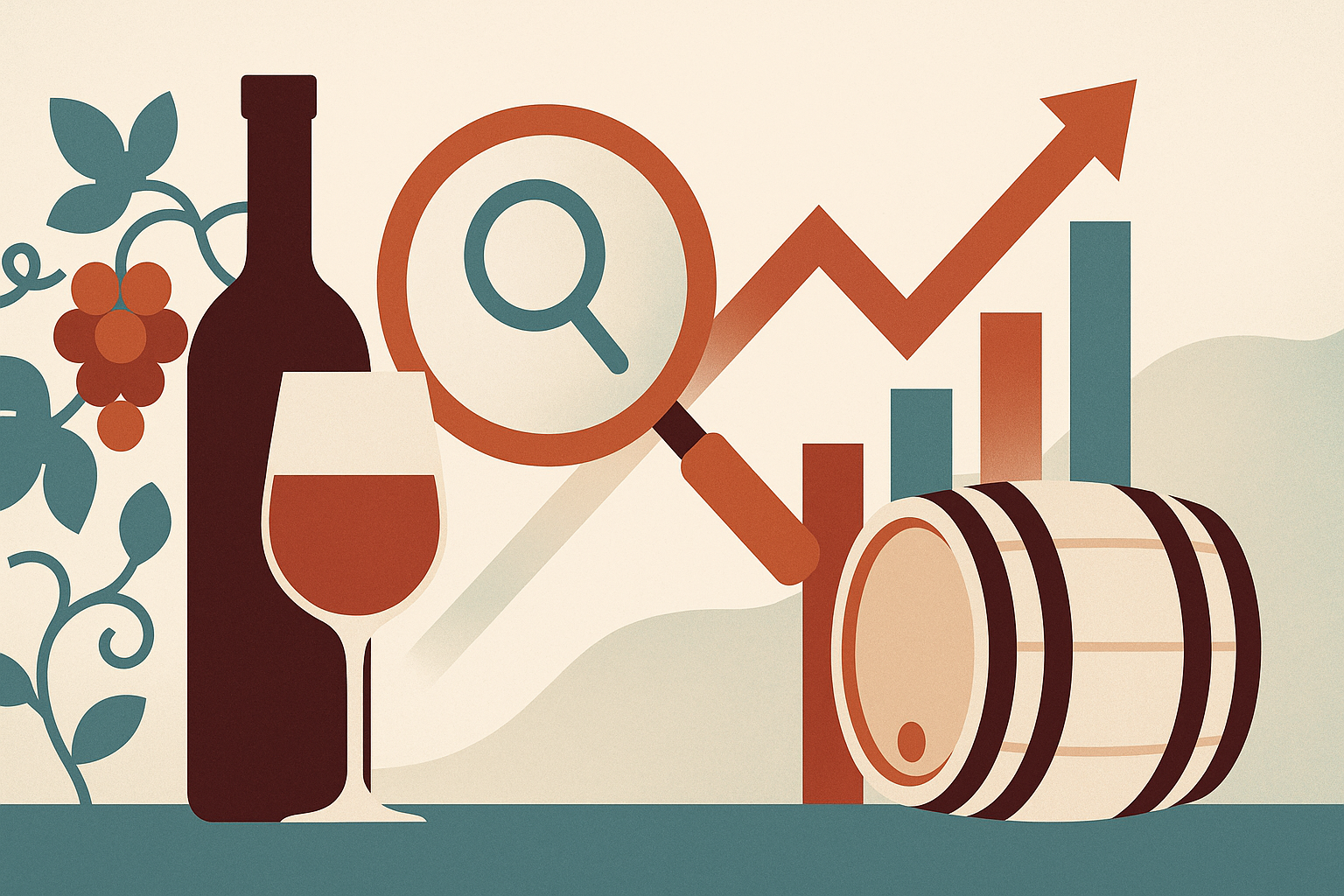
Across 2025, Wine-Searcher saw a rise in searches—about 2 percent overall—with the US still the heavyweight at 45 percent of all searches (up 2.1 percent). Growth spurts landed in Brazil (+18.1 percent), Canada (+8.7 percent), and Mexico (+33 percent). Meanwhile, the UK and China contracted slightly (–2.3 percent and –4.1 percent, respectively). Not a tidal wave, but directionally positive—think clean, building sets rather than freak swells.
“There are still reasons to be cheerful
Availability is expanding, too. There are 18.3 million offers on Wine-Searcher from 120 countries, with the top 10 markets responsible for about 85 percent of those offers. And—here’s the big one—quality indicators are nudging up. With more critics contributing, the aggregated Wine-Searcher scores are rising. That’s a quiet but meaningful sign that better bottles are more widely documented and more visible to buyers.
Why Austria, Germany, and Alsace Stand Out
The top-scoring Old World list might surprise some: Austria leads with an average 91.5, followed by Germany (91.32), Switzerland, Hungary, and Italy—then France and Spain. In the New World, Australia (90.87) edges New Zealand (90.68) and the US (90.38), with Argentina, South Africa, and Chile close behind.
Regionally, France still dominates the conversation—but Alsace steals a bit of the spotlight. Alongside Burgundy titans (Romanée-Conti at 94.4 and Montrachet at 93.85), Alsace shines via three top sites: Clos Jebsal (94.42), Clos Saint Urbain (93.98), and Clos Sainte Hune (93.88). If you associate Alsace with aromatic whites like Riesling and Gewürztraminer, you’re not wrong; many are dry to off-dry, textured, and intensely terroir-driven. Austria, similarly, carries a reputation for laser-precise Grüner Veltliner and Riesling—fresh acidity, mineral lift, and a clean, food-friendly profile. Germany? Precision central: Riesling across sweetness spectrums, plus increasingly impressive Spätburgunder (Pinot Noir) where conditions permit. None of this is news to long-time drinkers, but seeing these regions at the top of aggregated scores underscores how classic European terroirs continue to sharpen their game.
Wine-Searcher adds, “We’re not clutching at straws here” — Wine-Searcher. Fair point. With more critics weighing in, better coverage doesn’t just inflate scores; it reveals maturity and consistency across producers. The reshuffle—Austria and Germany leading quality narratives—signals a reality most somm veterans have felt for years: the value-to-quality ratio in these regions is outstanding.
How to Use This as a Wine Buyer
So what do you do with cautiously optimistic data? First, widen the net. If Mexico’s search growth and global availability are rising, expect more diverse offerings—and that’s good for curiosity-driven shoppers. Second, pay attention to Alsace and Austria if you love aromatic whites, precision, and food versatility. Third, don’t sleep on Germany’s dry styles (look for “Trocken”) and the country’s elegant Pinot Noir (Spätburgunder) in cooler, top sites.
More broadly, this uptick suggests it’s a smart time to explore producers with growing critic coverage. Aggregated scores don’t replace personal taste, but they help you triangulate quality when you’re staring down a wall of unfamiliar labels. If the industry is grappling with consumption, the upside for engaged drinkers is choice—and often, better pricing and transparency as markets recalibrate.
Style Snapshot
- Regions in focus: Austria, Germany, Alsace
- Typical profiles: aromatic whites (Riesling, Grüner), dry to off-dry; mineral-driven; balanced acidity
- New World watchlist: Australia, New Zealand, US maintaining strong averages
Best Occasion & Pairing Direction
Best occasion: A weeknight dinner or a casual catch-up—when you want refreshing, high-quality whites without pretense.
Best pairing direction: Lean aromatic whites toward seafood, sushi, and lightly spiced dishes; for German Pinot Noir, think roasted poultry or grilled salmon.
Bottom line: interest is ticking upward, availability is broadening, and quality is steady-to-up. It’s not a party yet, but it’s a promising warm-up set. Where there’s life, there’s hope—and apparently, more people searching for good wine.
Source: https://www.wine-searcher.com/m/2026/01/wine-data-shows-causes-for-optimism?rss=Y