
Wine Scores Reconsidered: Using the 100-Point Scale Today
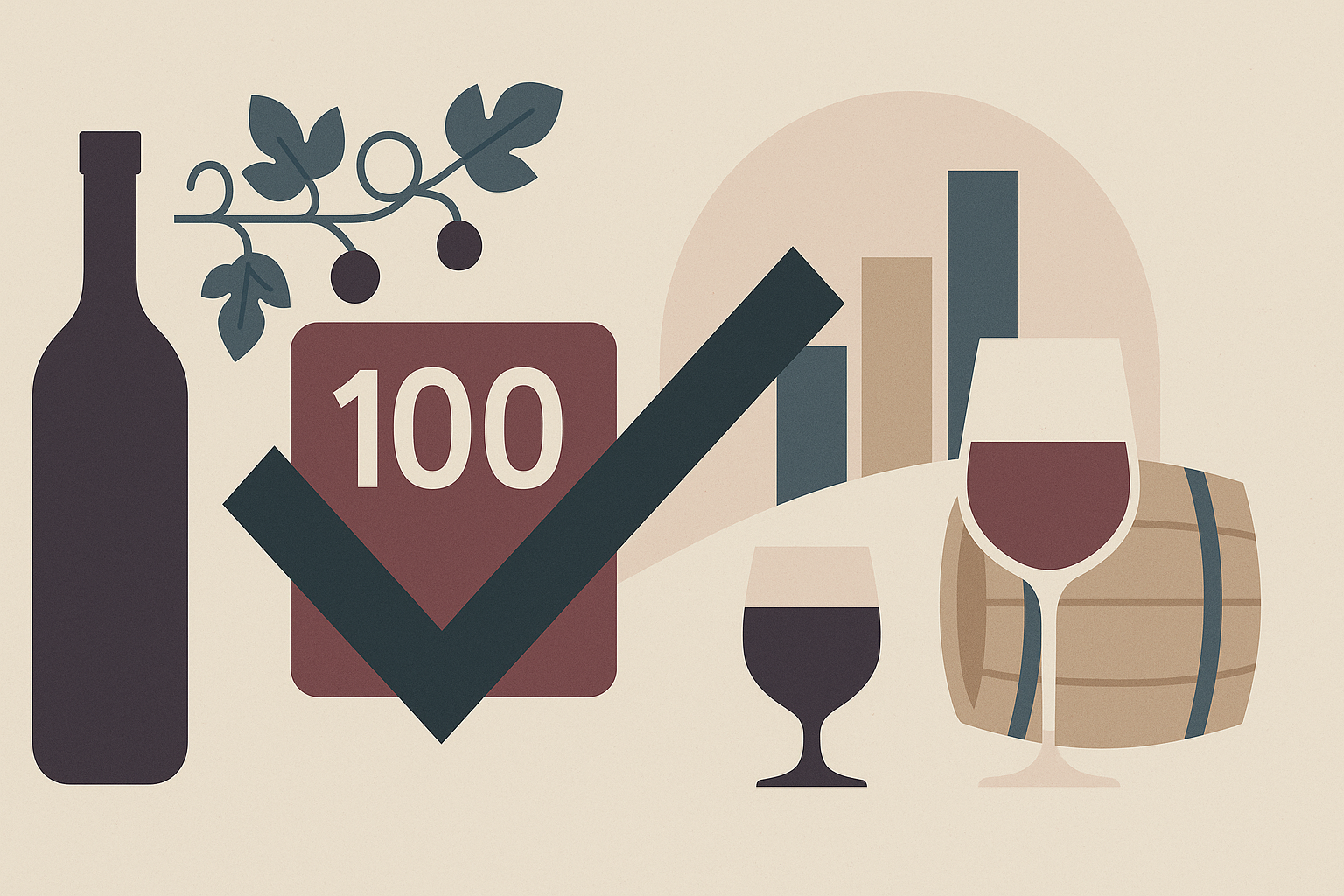
For decades, the 100-point system has been the loudest voice in the room—part guide, part gatekeeper. In a recent Wine-Searcher piece, Konstantin Baum MW asks a timely question: What’s the point of points in 2026? The short answer: they still matter, but not the way they used to. And if you know how to read them (and where their blind spots are), you’ll shop smarter without losing the joy of discovery.
Why This Matters
This isn’t just another headline—it’s a signal of where the wine news is headed. Paying attention now could save you money, introduce you to your next favorite bottle, or simply make you the most interesting person at your next dinner party.
“Scores offer clarity and confidence.” — Konstantin Baum MW, Wine-Searcher
Baum explains how a single number can move markets, from supermarket shelf talkers to high-stakes auctions. That’s not surprising to anyone who lived through the Parker era, where a few points could turn a modest producer into a collectible overnight. But the ground has shifted. Today, authority is shared among critics, sommeliers, retailers, influencers, and—let’s be honest—your group chat. As Baum notes, “Trust has not disappeared; it has dispersed.”
Key Takeaways
- Key themes: wine scores, 100-point system, wine buying tips—stay informed on these evolving trends.
- The takeaway? Keep exploring, keep tasting, and don’t be afraid to try something new.
Style Snapshot: Read Beyond the Number
If you’re using scores as a starting point, add these quick filters so you’re buying to your taste, not just to the number:
- Grape variety: Know your benchmarks. Cabernet Sauvignon often leans full-bodied and dry with firm tannins; Pinot Noir is lighter-bodied with red fruit and earth; Riesling can be dry or off-dry, with zippy acidity.
- Region/appellation: Napa Valley Cabernet tends toward ripe fruit and plush texture; Burgundy Pinot Noir emphasizes finesse and terroir; Mosel Riesling brings high acidity, slate-y minerality, and precision.
- Style descriptors: Dry vs. off-dry, light vs. full-bodied, tannic vs. silky—these matter more than a one-point difference in a rating.
- Occasion and mood: A 95-point powerhouse may overwhelm Tuesday tacos; a 90-point, medium-bodied red might be a better hang.
Best occasion: Choosing an unfamiliar bottle for dinner or gifting when you want a reliable compass, not a rigid rulebook.
Best pairing direction: Match intensity to your plate. Think dry Riesling with spicy dishes, medium-bodied Pinot Noir with salmon or mushrooms, and fuller Cabernet with steak or aged cheeses.
Context: Why Points Still Move the Needle
Baum lays out the obvious and the uncomfortable. Scores are fast, legible, and highly scalable for online shopping, where personal recommendations are scarce. Retailers love them because “92 points” fits on a shelf tag and makes sense at a glance. Collectors love them because numbers help standardize risk. And yes, high scores still spike clicks and sell bottles—Baum gives a concrete example of a 98-point Rioja Blanco that sold out globally after his review.
But there’s a catch. A score doesn’t tell you why a wine is good—or whether it’s your kind of good. That gap gets bigger the more diverse the wine world becomes. Younger drinkers—many of us in California feel this shift daily—care about farming, authenticity, sustainability, and story. Those values don’t fit neatly into a numeric box. A wine can be pristine and polished and still not resonate with your palate or priorities.
The upshot: points are strong indicators of craft and consistency, but they’re weak proxies for personal taste. Use them like you use surf forecasts—directionally helpful, but your local break might still surprise you.
How to Use Scores Smarter in 2026
Here’s a quick framework for modern scoring sanity:
- Start with the number, then read the note. Look for descriptors (dry/sweet, body, tannin, acid) and context (region, vintage, producer style).
- Anchor to styles you already enjoy. If you love lighter reds, a 92-point Beaujolais might beat a 95-point Napa Cab for Tuesday night.
- Cross-check at least one other voice. A retailer you trust, a sommelier, or a friend with similar taste. Disagreement is data, not drama.
- Weigh values. Organic or biodynamic farming, low-intervention winemaking, transparency—if those matter to you, make them part of the decision.
- Remember diminishing returns. The difference between 94 and 95 rarely changes your dinner; the right style match always does.
One more reality check: scores are stickier at the extremes. Investment-grade wines, En Primeur campaigns, and auction lots still orbit ratings. At the value end, some critics and magazines hand out generous numbers that can feel more promotional than evaluative. Treat supermarket 97s with a healthy squint and lean on style cues and producers with proven track records.
Closing Takeaway
Points aren’t broken; they’re incomplete. They’re excellent at compressing complexity into a signal, but less great at translating that signal into your personal preferences. Baum’s piece doesn’t tell us to abandon ratings—it invites us to reframe them. Use scores as a compass, not a destination. If you tack on grape, region, style, occasion, and values, you’ll buy smarter, enjoy more, and keep the fun intact. That, not the number, is the point.
Source: https://www.wine-searcher.com/m/2026/01/whats-the-point-of-points?rss=Y